
Qatari Prime Minister Sheikh Mohammed bin Abdulrahman al-Thani traveled to Muscat on Wednesday for discussions with Omani officials aimed at launching a new regional dialogue on the future management of the Strait of Hormuz, one of the world's most strategically significant maritime corridors.
According to diplomatic sources, the proposed negotiations would involve Iran, Iraq, and Gulf Arab states and would focus on navigation, maritime services, and long-term security arrangements in the waterway.
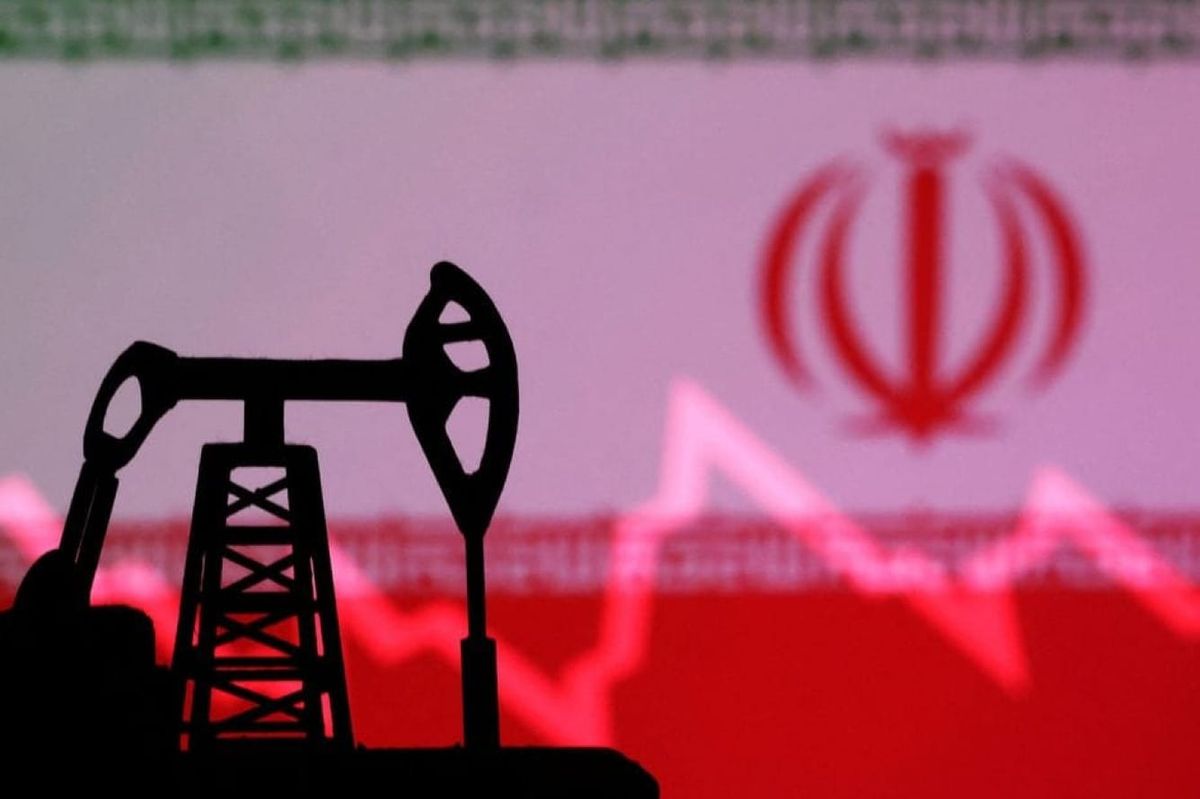
The Strait of Hormuz remains a critical artery for global energy markets, carrying roughly one-fifth of the world's oil and liquefied natural gas supplies.
Disruptions to shipping in the narrow waterway have repeatedly heightened concerns among energy importers and exporters, contributing to volatility in international commodity markets and raising fears about supply chain disruptions.
Iran, meanwhile, may seek discussions on environmental protection measures, navigation services, maritime infrastructure, and security-related fees associated with safeguarding shipping routes.
These differing positions are likely to form a central part of upcoming negotiations.
Related Tweet:
Qatar PM in Oman to pave way for Iran-Gulf-Iraq Hormuz talks https://t.co/coQpSJApNt https://t.co/coQpSJApNt
— Reuters (@Reuters) June 24, 2026
Also Read:
 TIPP Staff