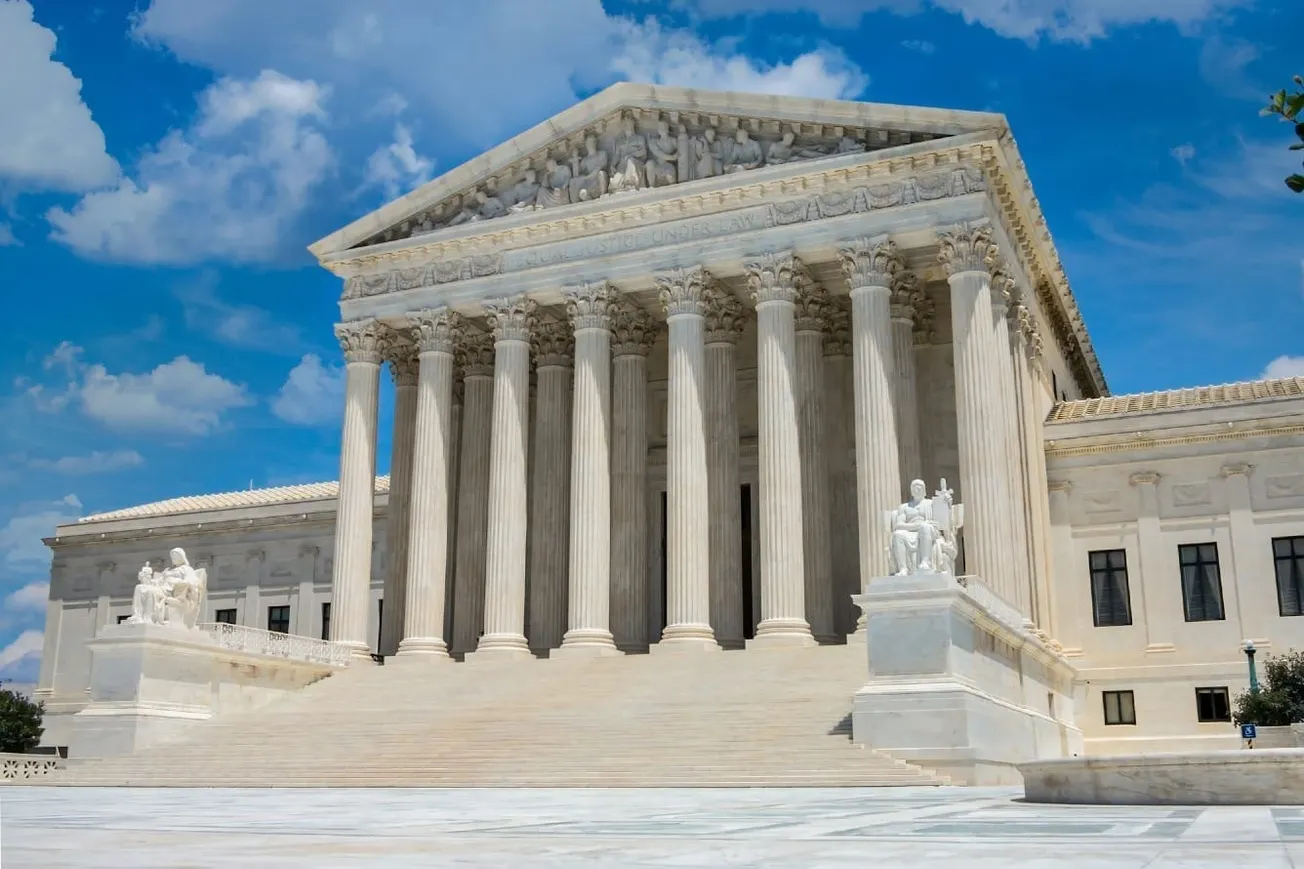
The Supreme Court on Thursday ruled 8-1 in favor of the Trump administration, preserving the Federal Communications Commission’s ability to use its existing enforcement process against telecommunications companies accused of regulatory violations.
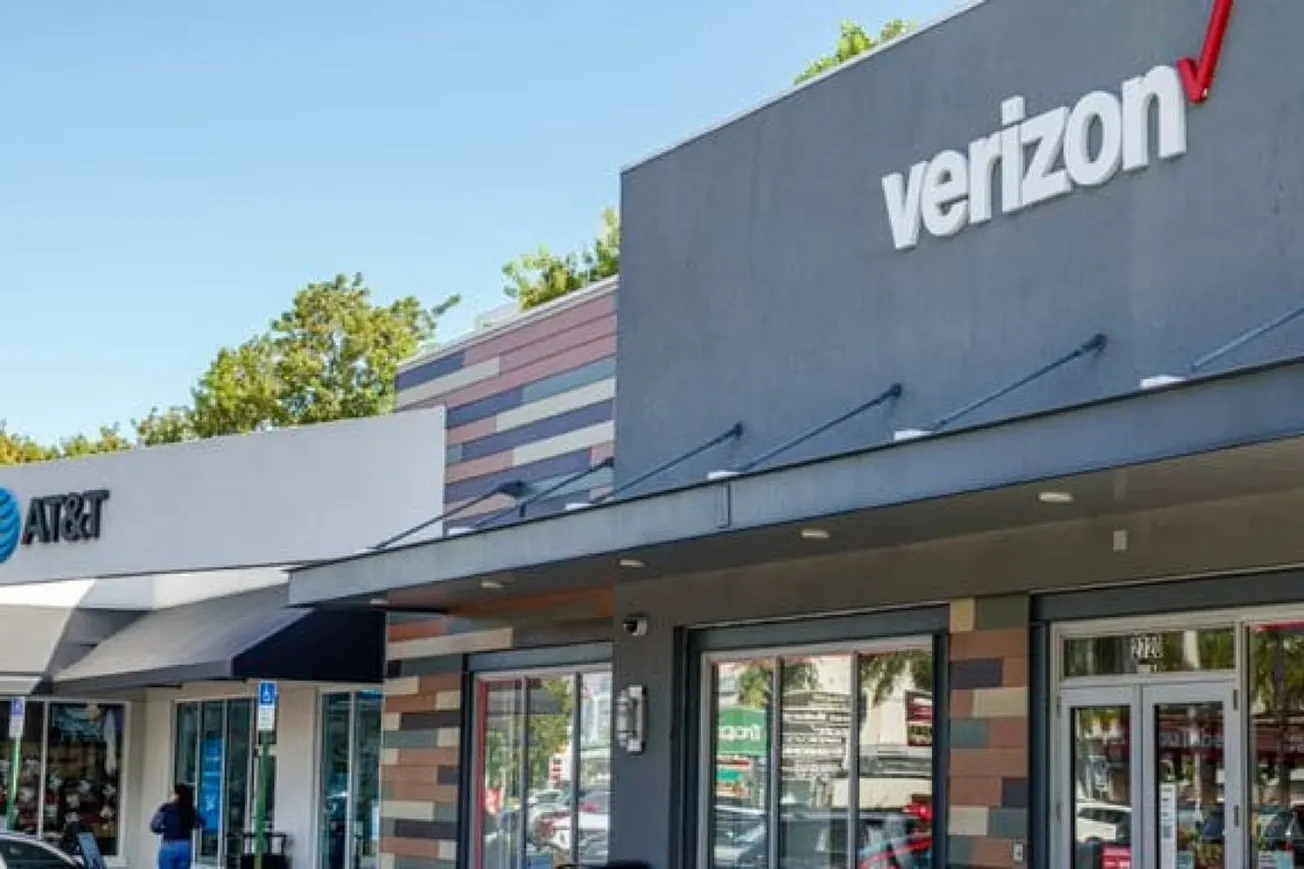
The case stemmed from challenges by AT&T and Verizon, which contested roughly $100 million in FCC penalties related to allegations that customer location data had been sold without proper consent.
The companies argued that the agency’s in-house enforcement procedures violated their constitutional right to a jury trial.
Supreme Court sides with FCC in clash with wireless carriers over fines https://t.co/2v0vMUh2Yi
— CNBC (@CNBC) June 4, 2026
Writing for the majority, Chief Justice John Roberts concluded that the FCC’s enforcement orders do not automatically require immediate payment of penalties, a position supported by the administration during the litigation.
The ruling effectively preserves a key regulatory mechanism used by the agency to investigate and address alleged misconduct.
According to the report, the FCC has assessed nearly $200 million in fines across the telecommunications industry, including penalties involving T-Mobile and Sprint.
The decision resolves conflicting rulings from lower courts and reinforces an enforcement framework that is also utilized by several other federal agencies in carrying out regulatory oversight responsibilities.
Also Read:
 TIPP Staff
Also Read:
 TIPP Staff