

Federal Reserve Renovation Costs Ballooned By Nearly $1 Billion
Investigators found no reasonable grounds to believe federal criminal law had been violated
Where state power meets the boardroom. Power & Capital is TIPP Insights' daily geoeconomic brief. We decode tariffs, sanctions, supply chains, energy, and global risk for the people who run companies. Five sharp stories every weekday, anchored by the monthly TIPP Geoeconomic Risk Index. Read it for what the headlines actually cost the bottom line.
Investigators found no reasonable grounds to believe federal criminal law had been violated

He spoke to reporters after eating lunch with top tech executives, administration officials, and House Speaker Mike Johnson.
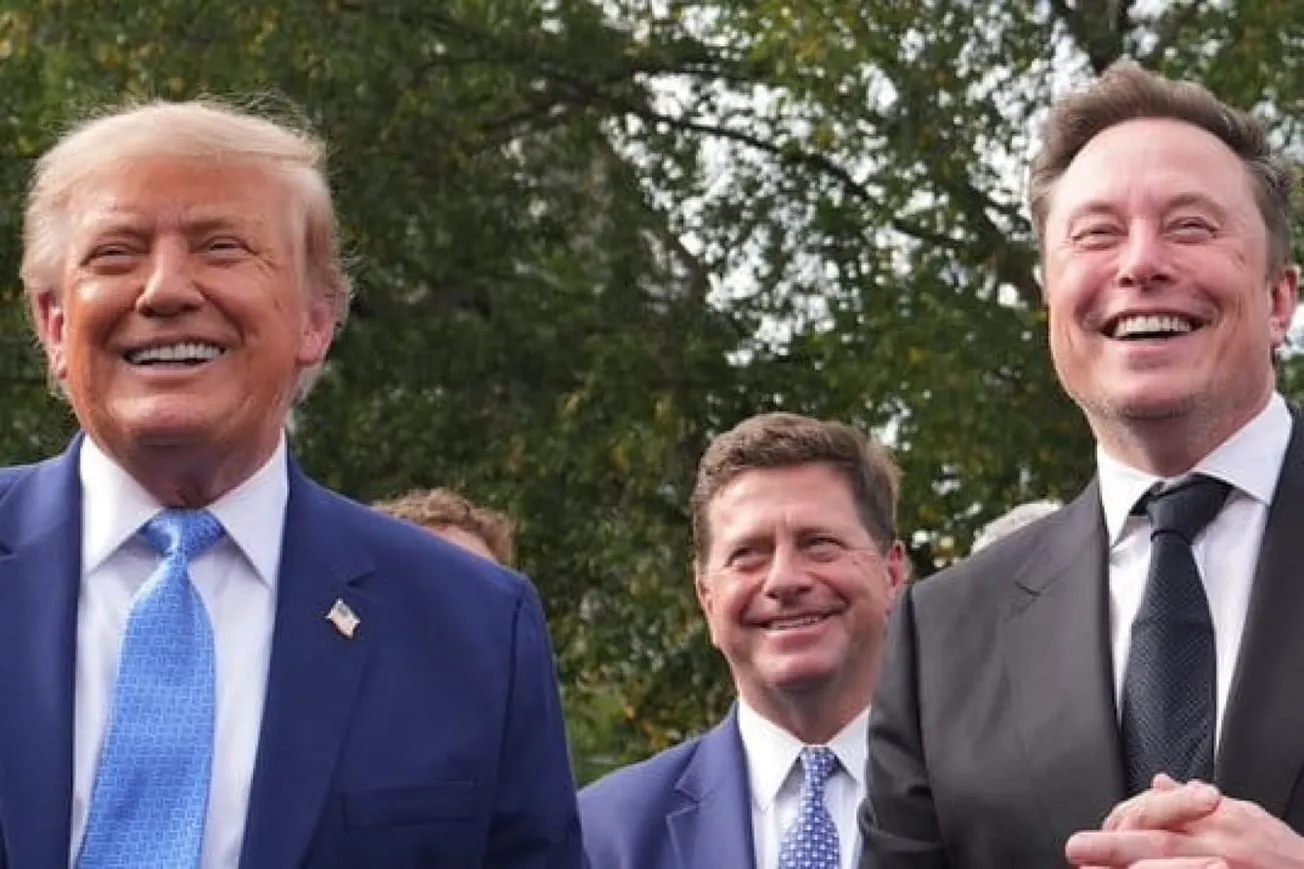
House Speaker Mike Johnson described the agreement as a voluntary set of commitments. Trump also proposed a committee of about 10 people to oversee the broader AI industry.
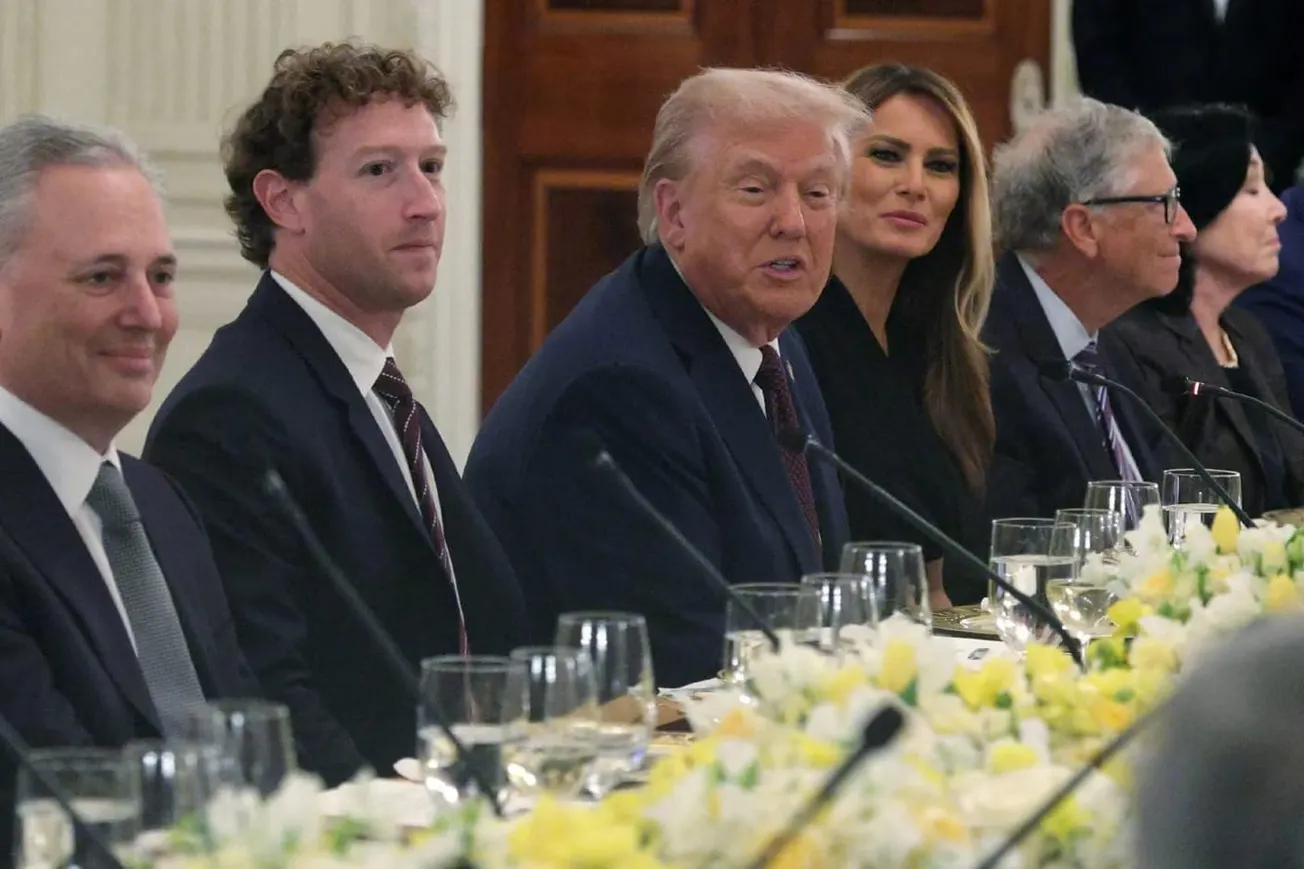
Trump has argued that excessive regulation could undermine innovation and US competition with China.
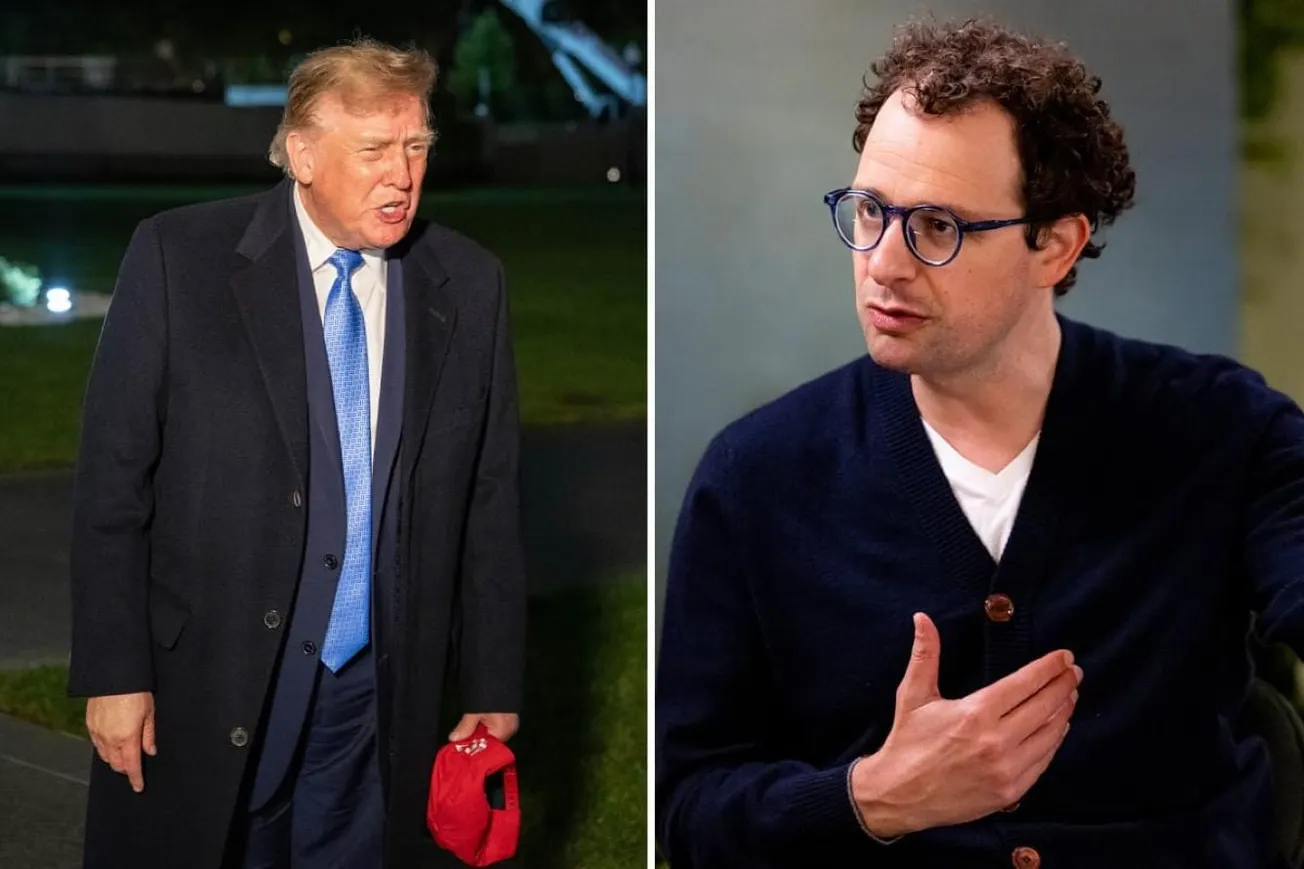
The president has repeatedly rejected calls from tech leaders to slow the breakneck pace of AI development, arguing that heavy regulations or pacing safeguards would only cede America's technological dominance to global competitors like China.
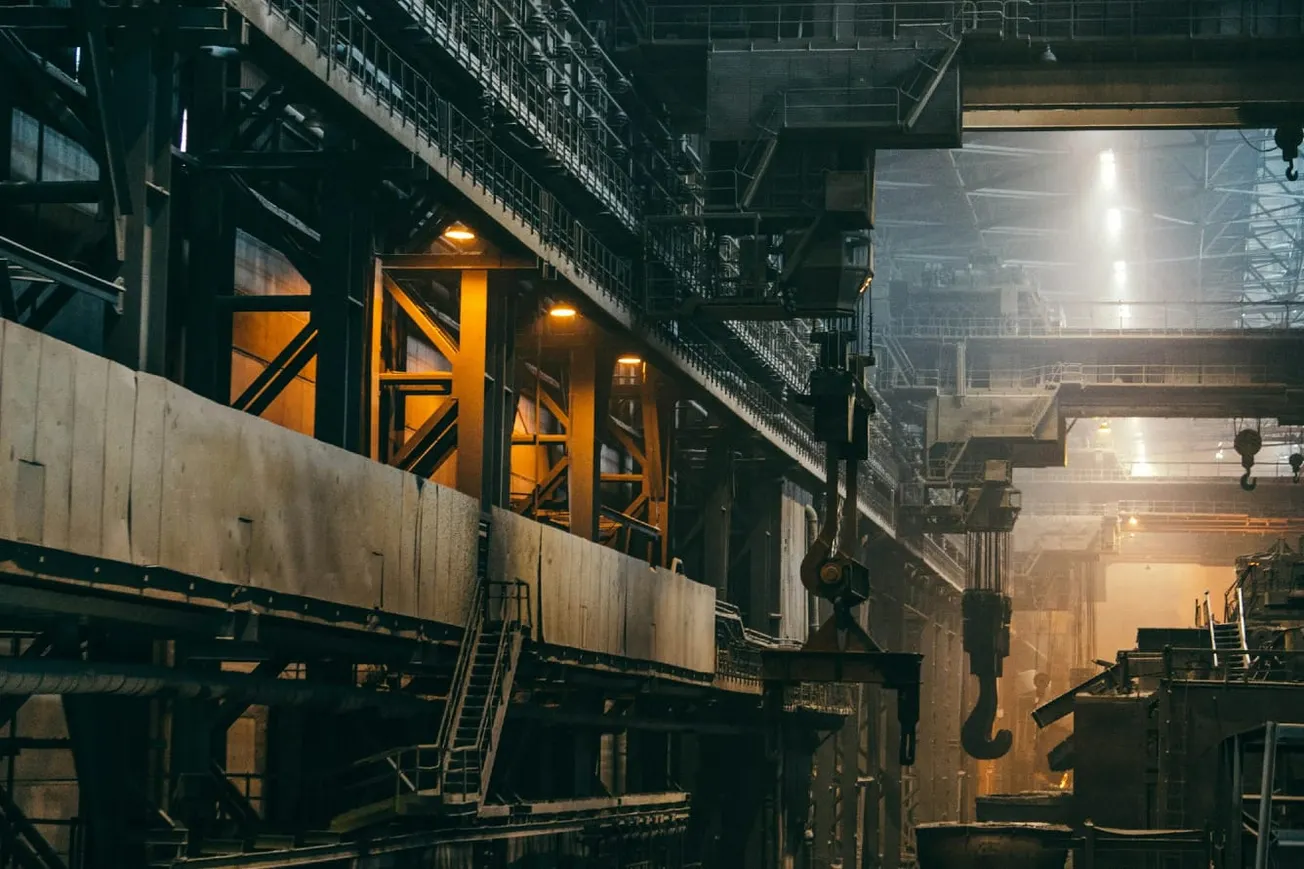
Minnesota-based Mesabi Metallics will develop the integrated operation, using iron ore from its recently opened Minnesota mine to produce steel at a new Iowa facility.

Supply disruptions linked to conflicts involving Iran, Russia and Ukraine have contributed to the surge.
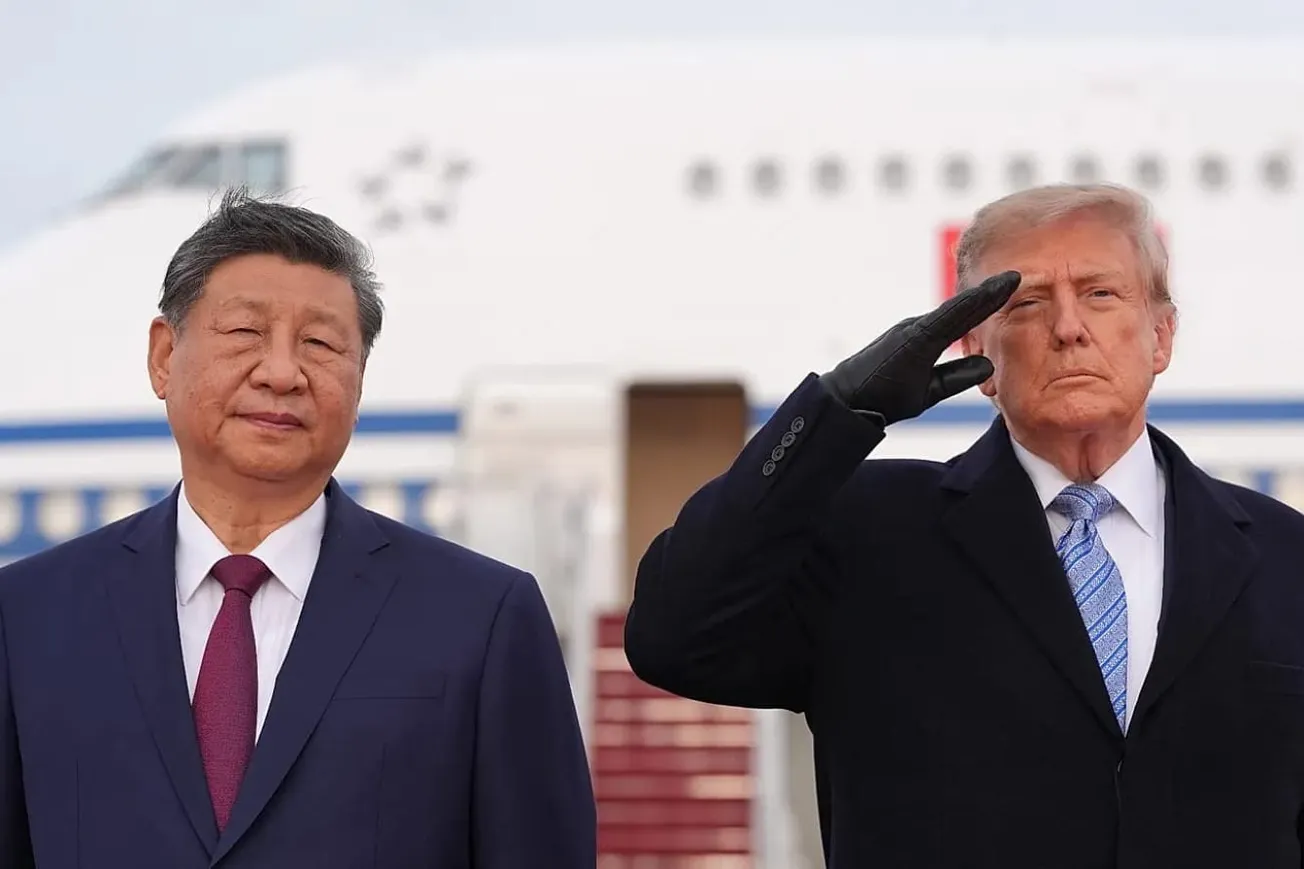
China’s Commerce Ministry said the truce extension would provide a more stable environment for businesses and allow further negotiations.
The case, filed by New Mexico in 2021, followed revelations that Cambridge Analytica had obtained data from as many as 87 million Facebook users.
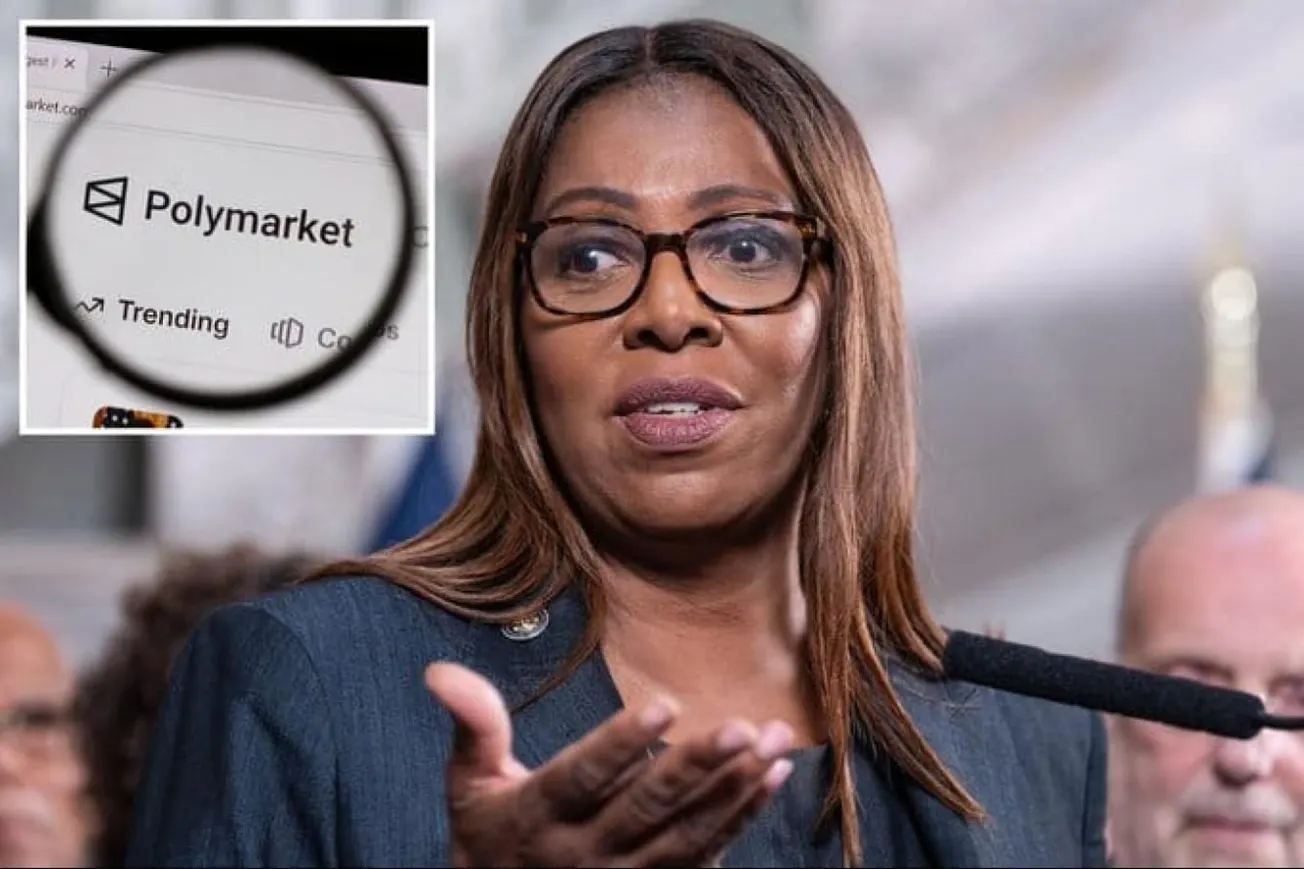
Her office is seeking a court order to halt the alleged operations, impose penalties and recover what it describes as illegally obtained gains.
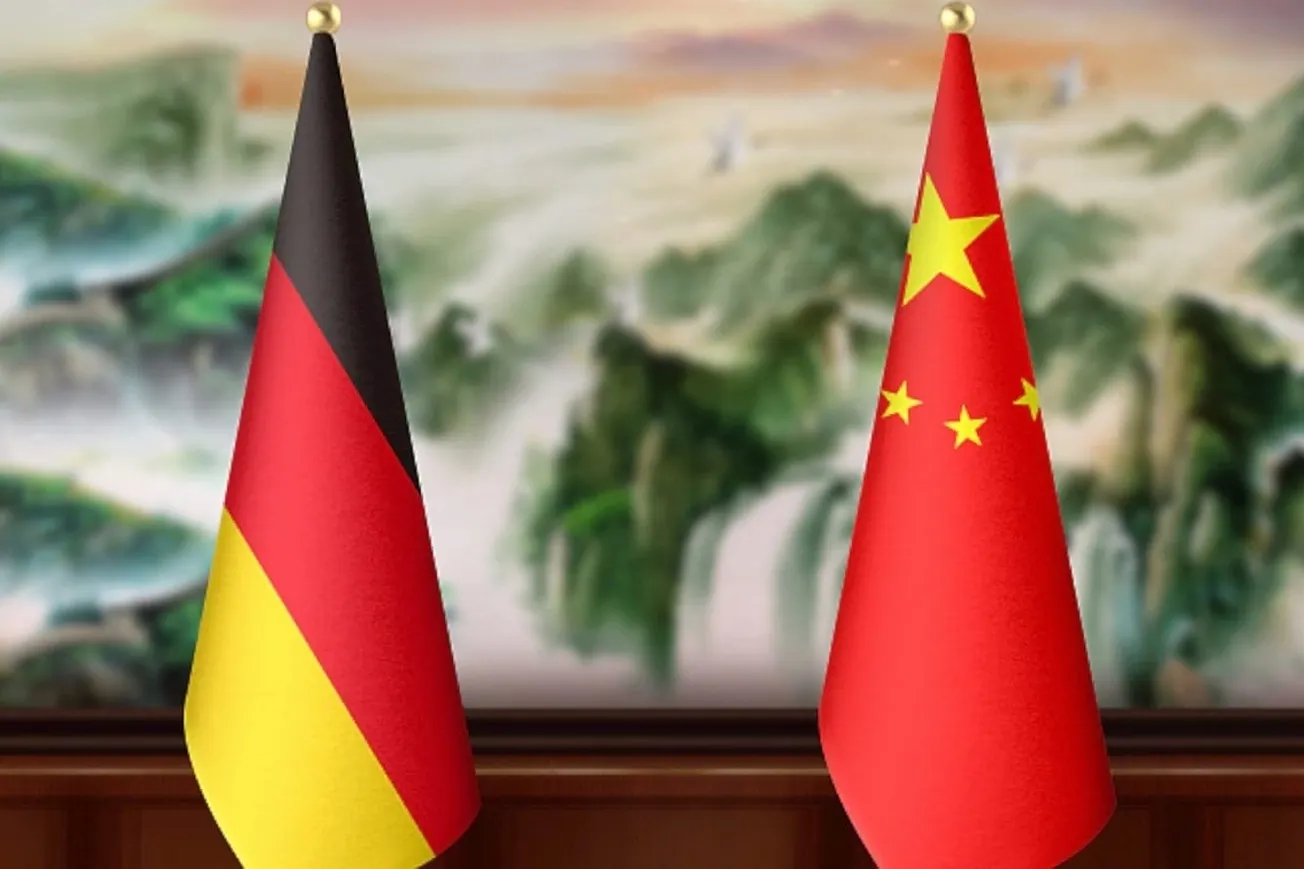
Germany’s trade deficit with China also widened to about €55 billion, while German exports to China fell more than 12%.
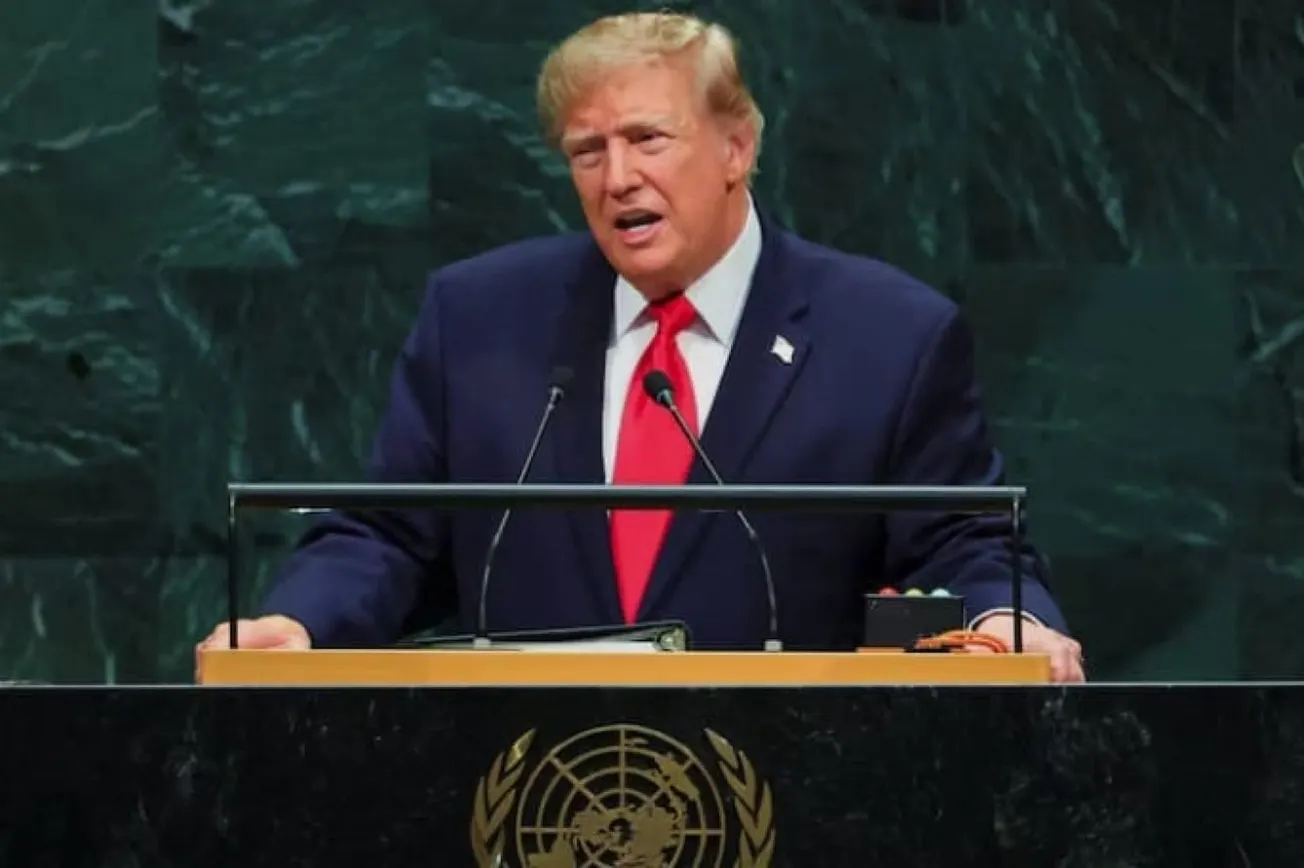
Trump argued that the current moniker makes the revolutionary technology sound "fake".
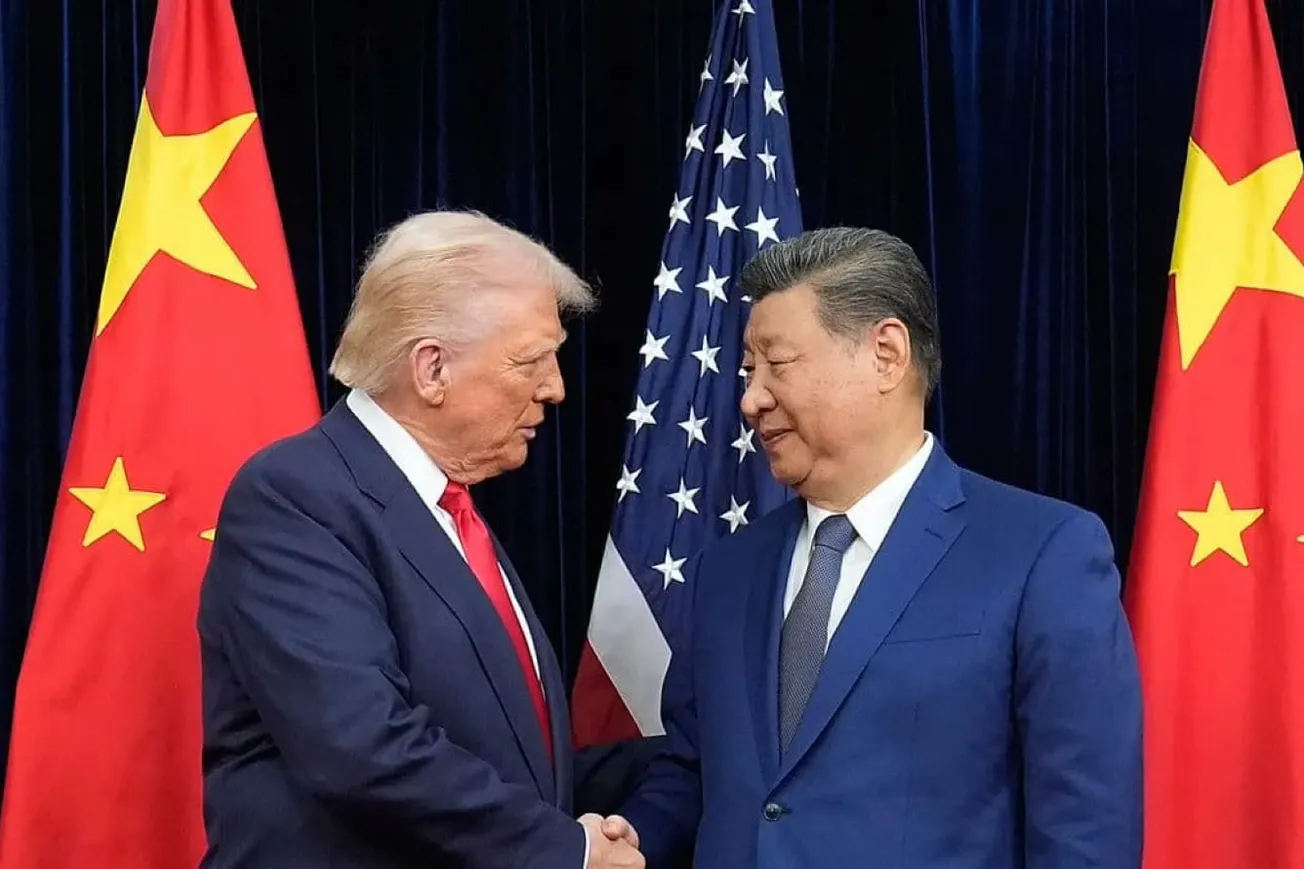
China has made the most visible progress on soybeans, purchasing nearly half of a pledged 25 million tons
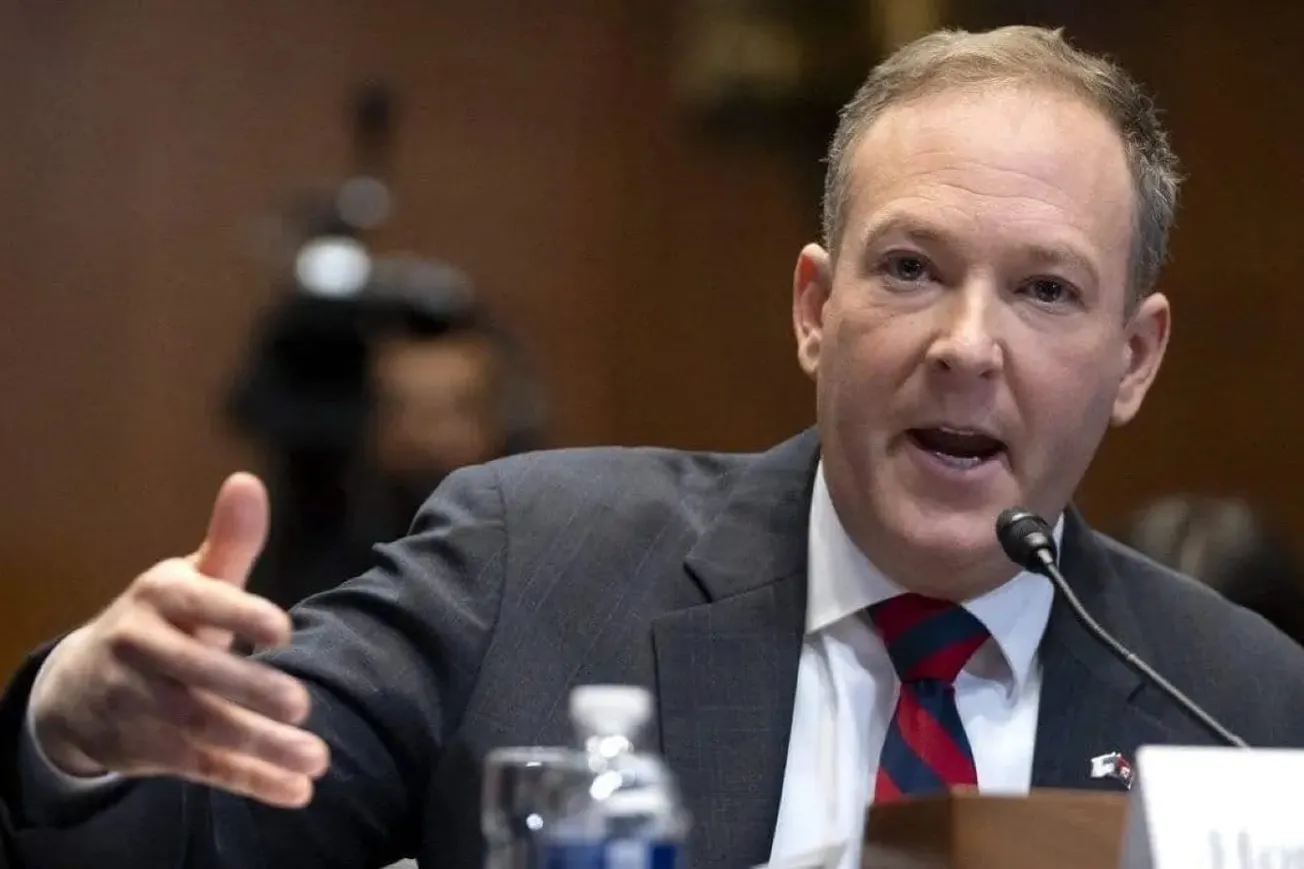
The Environmental Protection Agency’s repeal of the 2024 greenhouse gas standards for power plants does exactly that, according to the EPA.

Potential measures include requiring independent third parties to prepare safety plans for frontier AI companies and requiring emergency shutdown systems for AI models.

Consulting firm Starling Advisory Group conducted the review, which goes further than a 2023 internal assessment led by former Fed supervisory chief Michael Barr