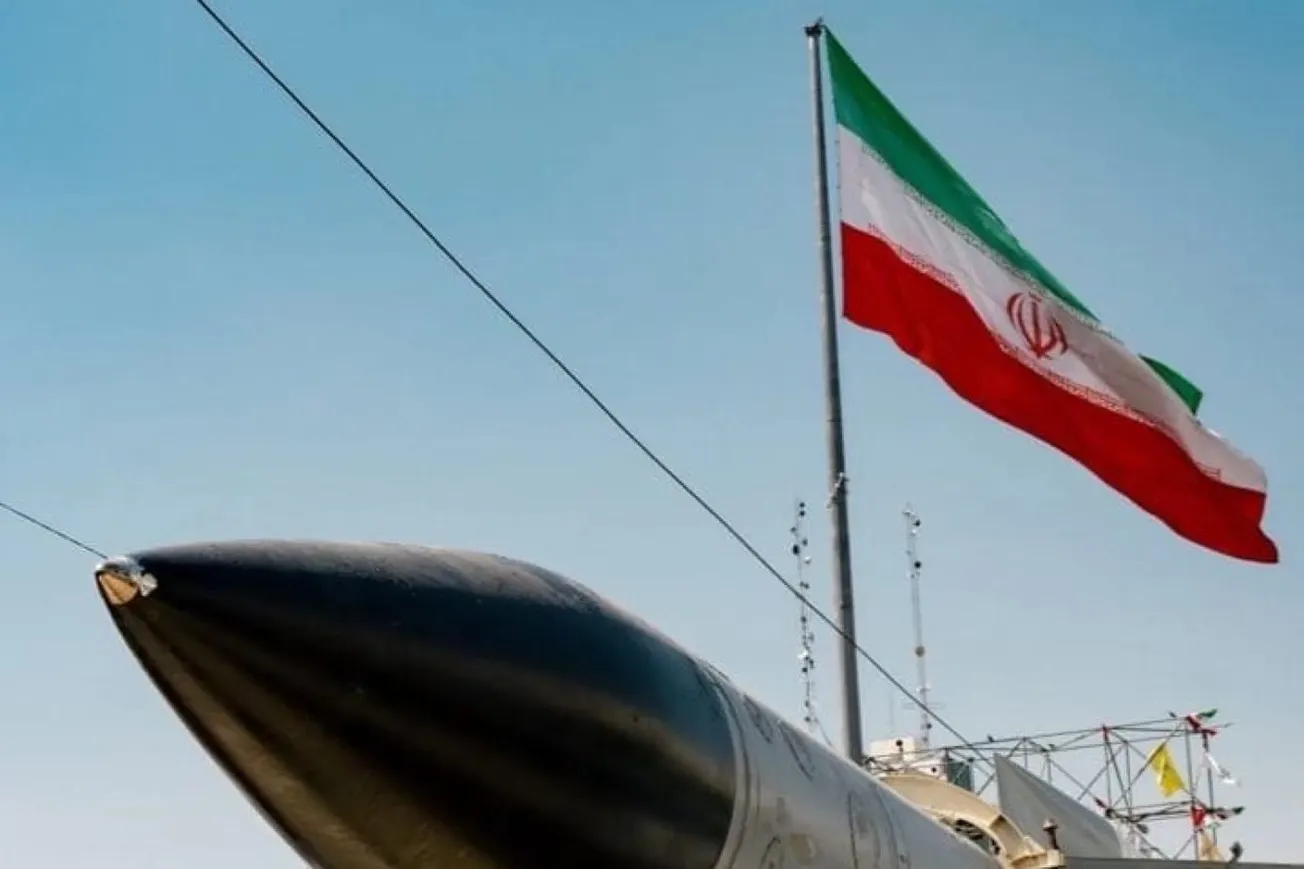

Twenty-five centuries ago, Sun Tzu wrote that a general who knows the enemy and knows himself need not fear a hundred battles. But he issued a sharper warning: “He will win whose army is animated by the same spirit throughout all its ranks.” When the ranks pull in different directions, defeat finds its way in.
Iran knows its enemy. It no longer knows itself.
The ceasefire extension cracked open something the regime has been hiding: its leaders no longer agree on what comes next.
President Masoud Pezeshkian signals openness to dialogue. The Islamic Revolutionary Guard Corps keeps its finger on the trigger. Parliament speaker Mohammad Bagher Ghalibaf warns there will be no talks while the blockade continues. The foreign ministry says no final decision has been made. Four power centers pulling in four different directions, all of it in public. The Islamic Republic has spent decades making sure this never happens.
The IRGC isn’t just resisting Pezeshkian’s position. It’s sabotaging it. The Guard has blocked the president’s key appointments, including his choice for intelligence minister, and sources describe a growing security cordon around Supreme Leader Mojtaba Khamenei that limits civilian access. What started as turf wars has morphed into something similar to a slow-motion coup.
The split is no longer just institutional. It is playing out on open channels for the world to hear. On April 17, Foreign Minister Araghchi tweeted that the Strait of Hormuz was “completely open” to all commercial vessels. Oil prices dropped 11% within hours. Then the IRGC Navy broadcast a message on Channel 16, the international maritime emergency frequency monitored by every ship at sea: “The Strait of Hormuz is still closed. We will open it by the order of our leader, Imam Khamenei, not by the tweets of some idiot.” The foreign minister says the Strait is open. The Guard says it is not.
Meanwhile, the IRGC-affiliated Fars news agency released a propaganda video mocking Trump and depicting American negotiators being humiliated at the table. Hours later, President Pezeshkian posted a statement welcoming dialogue. One arm of the regime was ridiculing the talks while the other was trying to keep them alive.
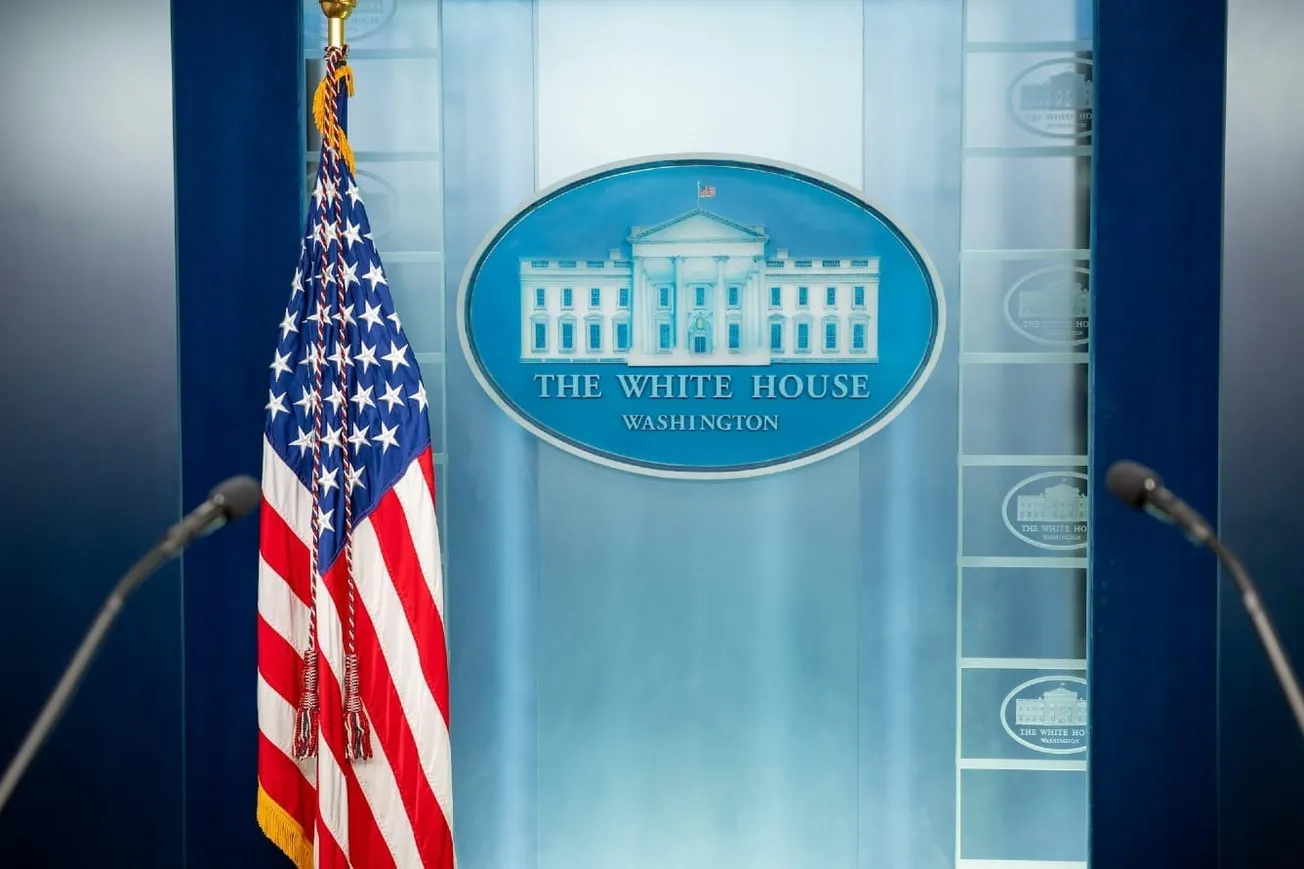
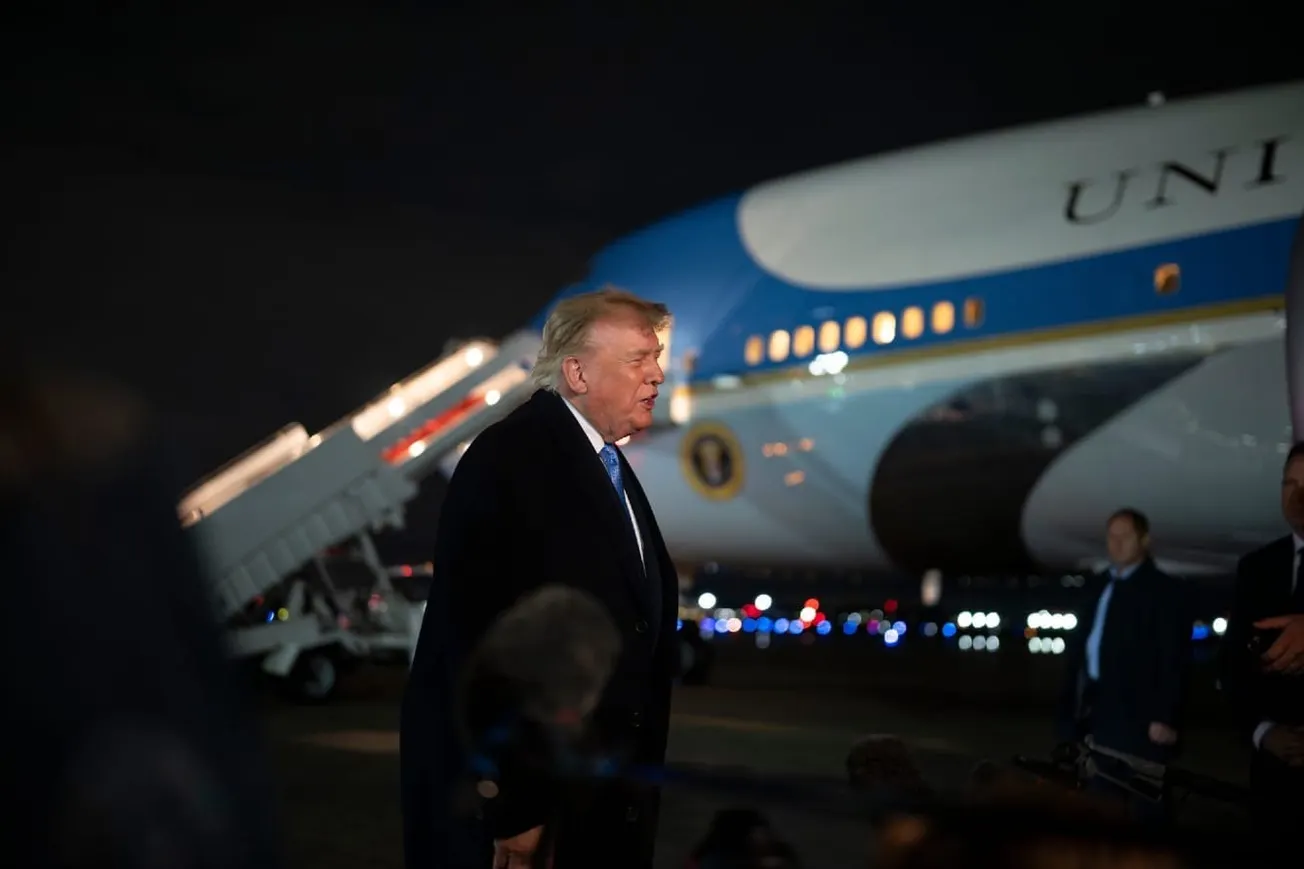
Washington has noticed. President Donald Trump extended the ceasefire only after citing Iran’s “seriously fractured” government and demanding a “unified proposal.” U.S. officials are no longer asking what Iran will concede. They’re asking whether Tehran can even speak with one voice. For now, it cannot.
Authoritarian regimes project unity. It’s the one thing they cannot afford to lose. When it cracks, paralysis follows.
This is how brittle systems begin to fail. In the late Soviet period, reformers, hardliners, and security chiefs stopped speaking with one voice. Each faction tried to preserve the system on its own terms. The result was paralysis, and then collapse. Iran is not the Soviet Union. But the pattern is familiar: when the center weakens, the argument moves inside the regime, and into the open.
Years of economic pressure, intensified since the U.S. withdrawal from the Iran nuclear deal, have done more than weaken Iran’s economy. They have started to rearrange who holds power inside the regime.
The IRGC benefits from confrontation. It always has. Confrontation feeds it. As this editorial board has documented, the Guard controls roughly a third of the economy. Under sanctions, that grip only tightens. Black-market channels, smuggling networks, and state contracts flow through entities it dominates.
Pezeshkian needs relief. Without it, cash shortages, factory shutdowns, and soaring prices will continue to fuel the street protests, which the regime has spent years trying to crush. Ghalibaf is trying to straddle both camps, which is another way of saying he cannot choose.
They cannot all be right. And they cannot all win.
That is the fracture. And it is widening.
The contradictions are now playing out in real time. Hours after Trump extended the ceasefire, IRGC forces seized the container ships MSC Francesca and Epaminondas in the Strait of Hormuz, fired on a third vessel, and released video of the operation. Ghalibaf declared that reopening the strait was “impossible” while the blockade continued. Pezeshkian, on the same day, posted that Iran welcomes dialogue. The regime is escalating and negotiating simultaneously. A government that seizes ships in the morning and calls for dialogue in the afternoon is not executing a strategy. It is falling apart.
The longer the blockade holds, the wider the gap becomes. External pressure has become internal division. A regime that cannot agree on whether to fight or talk becomes more dangerous in the short term, prone to miscalculation.
But over time, it becomes weaker.
Because power in a system like Iran’s depends on one factor: control. That is cracking. And once it cracks in public, it cannot be put back together. Sun Tzu knew. The army that loses its spirit does not lose the next battle. It has already lost.
The TIPP Off
What you should be reading right now
Defense
Hormuz Today, Taiwan Tomorrow— Todd G. Buchholz, Project Syndicate
Is Trump Going For Armageddon?—Larry C. Johnson, Ron Paul Institute for Peace and Prosperity
JFK Versus Trump On Cuba And The U.S. National-Security State— Jacob G. Hornberger, Ron Paul Institute for Peace and Prosperity
Impunity? Europe As The ‘Strategic Rear’ For Ukraine— Ashes of Pompeii, Ron Paul Institute for Peace and Prosperity
God Bless Captain Vere: When Constitutional Duty Yields To Institutional Power—Patrick Frise, Mises Wire
Economy
America: Land Of The (Not Really) Free—Ron Paul, Ron Paul Institute for Peace and Prosperity
Trump Is Driving Gold Crazy, Along With The Rest Of The World—Alejandro A. Tagliavini, Mises Wire
Government Policies, Not “Monopolies,” Undermine The Economy— Frank Shostak, Mises Wire
Four-Letter Economic Words— Mark Thornton, Mises Wire
Peaceful Nationalism As A Foundation For Economic Liberalism— Wanjiru Njoya, Mises Wire
Politics
EXCLUSIVE: Whistleblower Alleges 2020 CCP Election Influence Ops Targeting Trump Were Suppressed — Catherine Herridge, X
All the Dream Houses of the Left— Victor Davis Hanson, American Greatness
"Fine People" Hoax Uncovered in SPLC Fraud Scam— Sasha Stone, Substack
📊 Market Mood — Thursday, April 23, 2026
🟩 Markets Dip Despite Ceasefire Extension
U.S. futures slipped as persistent Middle East tensions offset relief from the extended truce.
🟧 Oil Back Above $100 on Supply Fears
Crude climbed again as disruptions in the Strait of Hormuz showed little sign of easing.
🟦 Investors Tune Out Noise, Focus on Earnings
Strong corporate results and AI spending momentum helped steady broader sentiment.
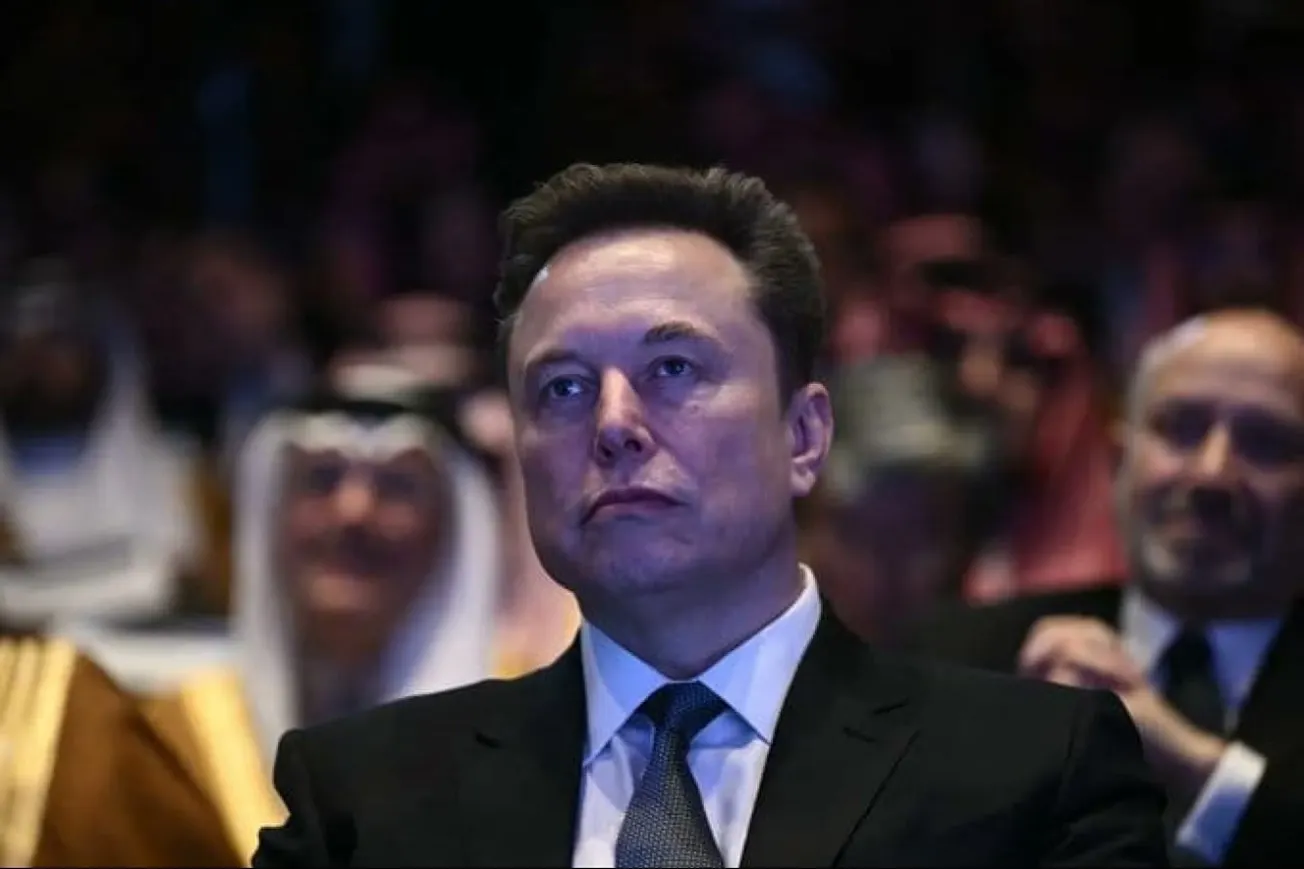
🟨 Tesla Highlights Cost of the AI Pivot
Shares dipped as heavy spending plans overshadowed an earnings beat.
🗓️ Key Economic Events — Thursday, April 23, 2026
🟧 08:30 ET — Initial Jobless Claims
Expected at 211K (vs. 207K prior), offering a timely read on labor market conditions.
🟧 09:45 ET — S&P Global PMIs (Apr, Flash)
Services expected at 50.5 (vs. 49.8 prior) and Manufacturing at 52.5 (vs. 52.3 prior), providing an early snapshot of business activity.
editor-tippinsights@technometrica.com