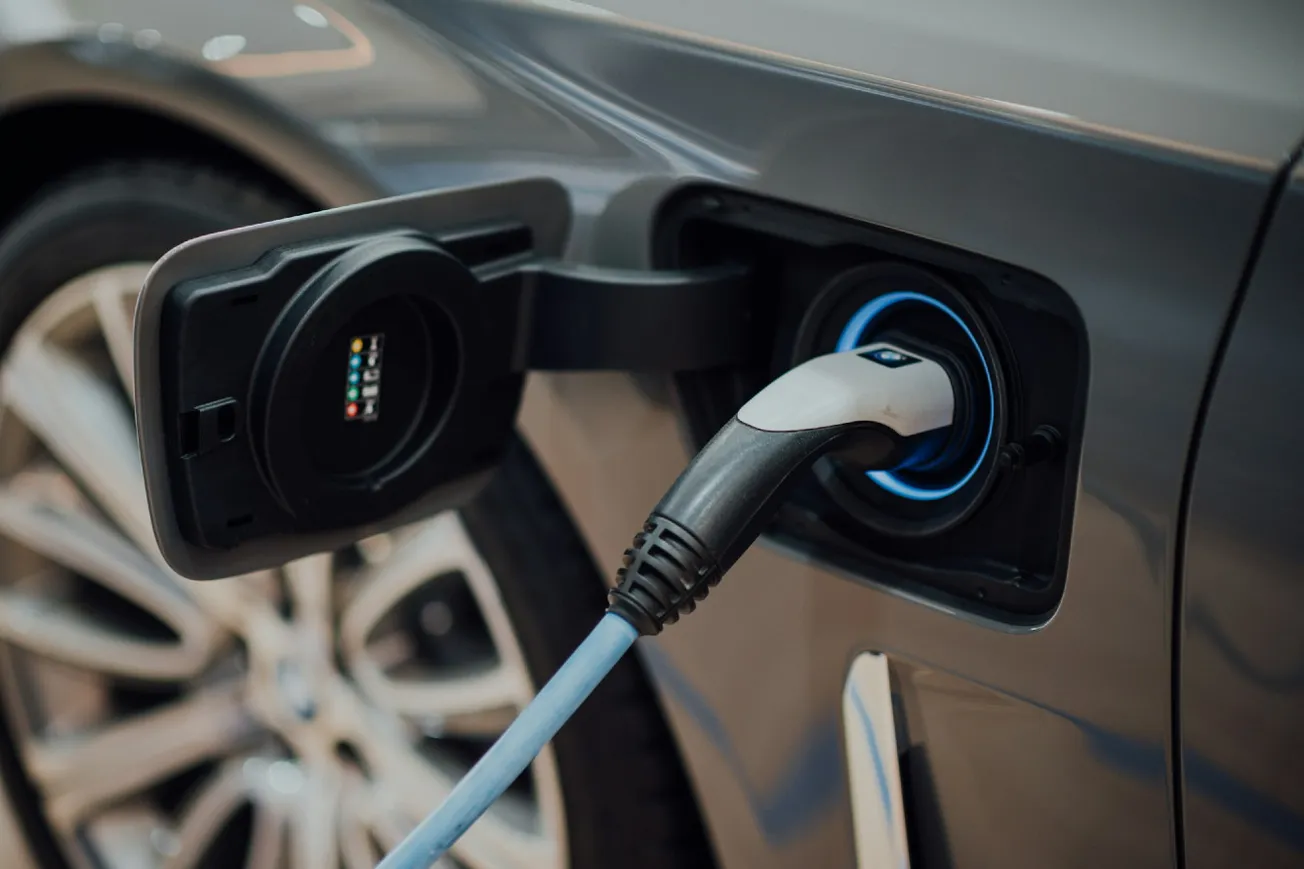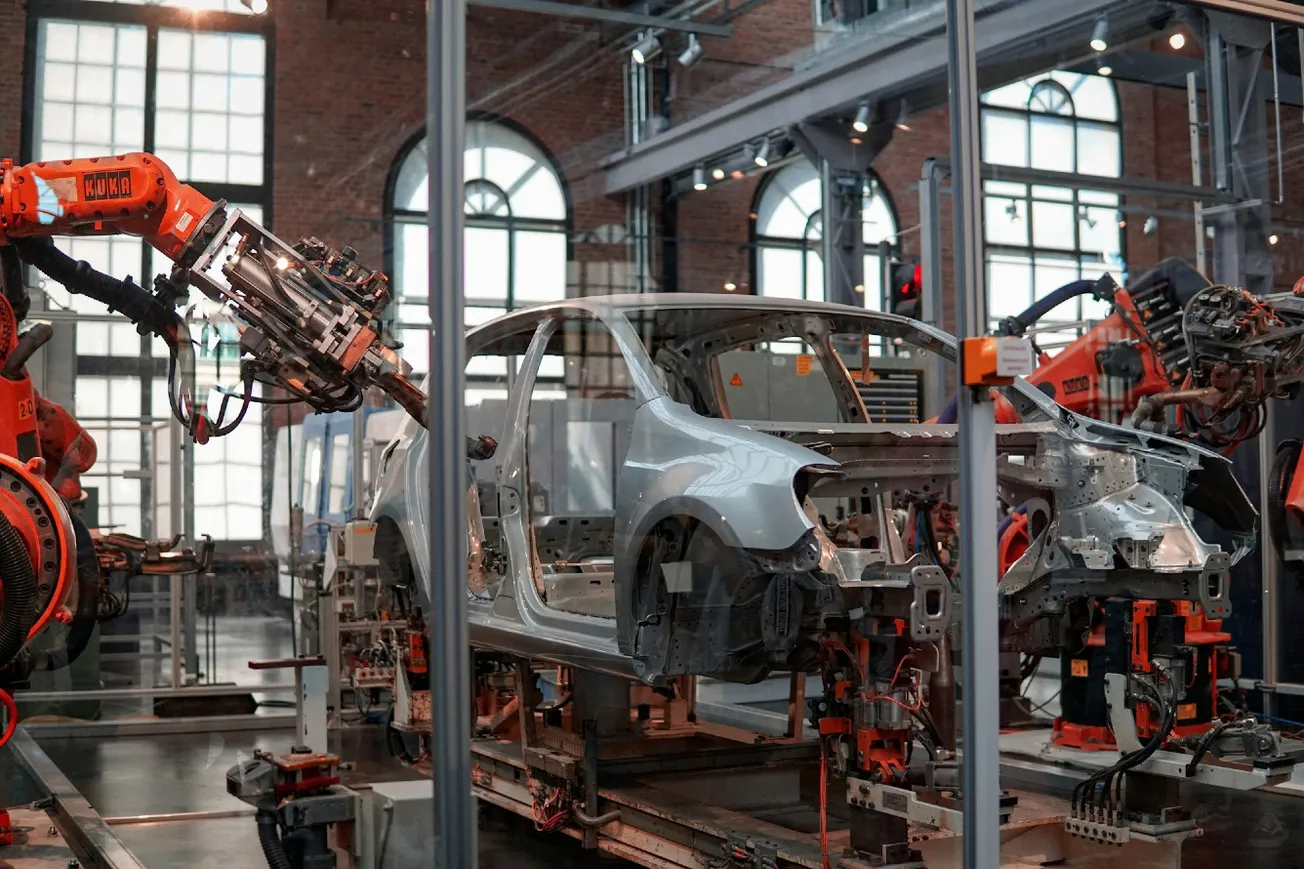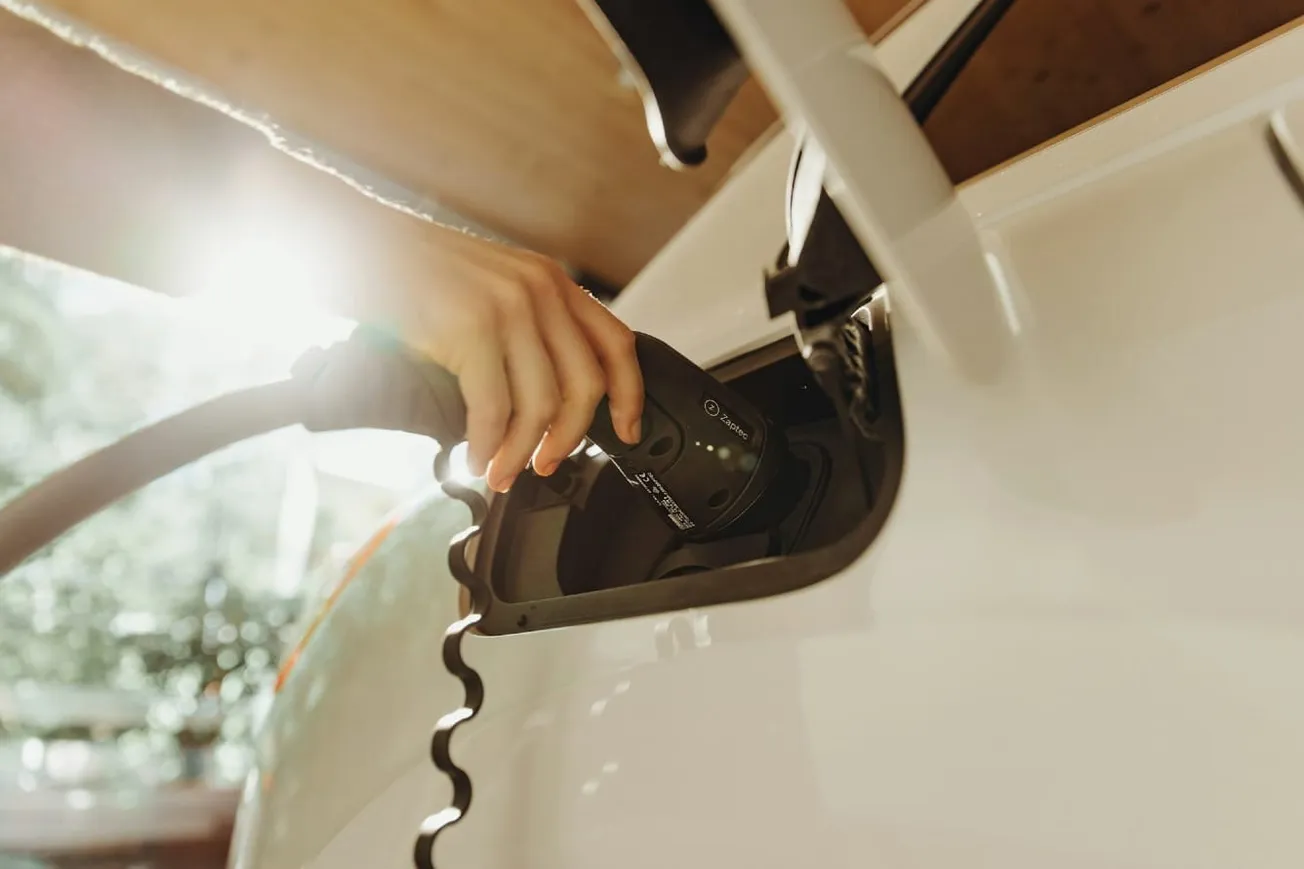
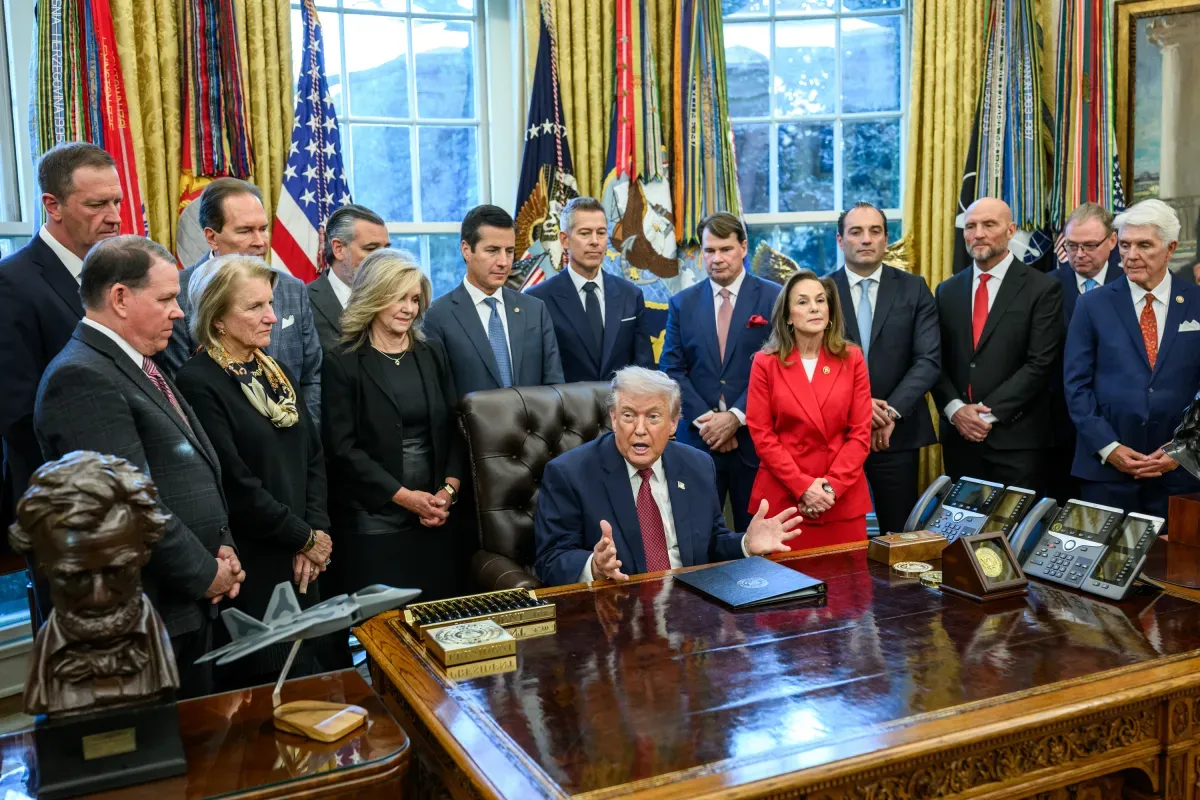
The New York Times on Wednesday led its online coverage with a catchy headline: “Trump Returns to Gasoline as Fuel of Choice for Cars, Gutting Biden’s Climate Policy.”
Flanked by executives from major automakers in the Oval Office, the article said, President Trump would ask his Transportation Department to significantly weaken fuel-efficiency requirements for tens of millions of new cars and light trucks.
The rest of the article contained bitter criticism from academics and supporters of the Green New Deal movement, which grew into a powerful force during President Biden’s administration. As is typical of the Times these days, there were no views expressed to counter the liberal take on the story.
The truth is that, as government policies go, Trump is spot on.
The government has no business playing favorites with the American consumer. The marketplace should decide which products companies should make and consumers buy, not the government.
In two brilliant moves this year, Trump turned off the two tools liberal administrations have used to achieve their objectives: CAFE standards (punitive) and tax credits (consumer bribes).
How the government set CAFE standards to favor EVs
Consider General Motors (GM). Like every automaker selling in the U.S., GM must ensure that its overall fleet-average fuel economy meets or exceeds Corporate Average Fuel Economy, or CAFE, standards, which Congress first established in 1975.
CAFE targets each model year and calculates separately for passenger cars and light trucks (pickups and SUVs), then combines them into a single corporate average. For 2026, the government-set GM CAFE goal is 40.1 miles per gallon.
It’s not that every truck or car has to get 40 mpg. It’s the whole-company average — every Silverado, Tahoe, Equinox, and Electric Vehicle (EV), combined, should average 40 mpg.
To get to this number, the government conveniently deceives. It states arbitrarily that an EV gets 300-600 miles per gallon - a 1200%-2400% advantage in CAFE computation. Never mind that most EVs are charged using energy powered by fossil fuels, such as oil, coal, and natural gas. If this isn’t a solid case of the government choosing winners and losers through the power of the law, it is hard to tell what is.
How CAFE standards killed the Chevrolet Impala
In 2016, Consumer Reports, the venerable news magazine that ranks everything from toaster ovens to light trucks, rated GM’s Chevy Impala as one of the best buys of the year. This ranking continued in 2017.
In 2018, CR named the Impala its top pick in the large car category, saying that the model earned the highest overall score in its segment for its comfortable ride, responsive handling, spacious, quiet cabin, intuitive controls, and substantial value—qualities that made it competitive with luxury sedans at a lower price point.
Here was an American brand ranked not only among the best in one year, but for three years in a row, beating its esteemed Japanese, Korean, and European peers.
On November 26, 2018, GM shocked the car-buying world by announcing that it would stop making the Impala. 2020 was going to be the last model year.
The official reason was that GM had decided to focus on high-margin trucks and SUVs. But the practical driver was the CAFE federal mandate, previously pushed by President Obama, that indirectly directed automakers to produce more electric vehicles to “combat climate change.”
Forced CAFE standards killed the tenth-generation Impala (2014–2020). The car was being built at the Detroit-Hamtramck Assembly plant in Michigan. GM decided to repurpose the Detroit-Hamtramck plant to make EVs - to keep its CAFE averages high and obey its government overlords.
GM closed the plant temporarily in early 2020, then reopened it in late 2021 as “Factory ZERO” to build electric pickup trucks and SUVs (GMC Hummer EV, Chevrolet Silverado EV, Cruise Origin, etc.). Ending the Impala production freed the factory for that transition. By making more EVs, GM could continue to sell big gas-guzzling trucks that get only 18–20 mpg.
There is something wrong with using the federal government’s weight to alter the marketplace in such a fundamental way. GM’s decision was worse. Why would GM stop producing a rare gem of a product that was a hit with consumers?
Tax credits for EVs didn’t boost EV adoption
For all the CAFE sticks, government carrots didn’t do a whole lot of good for EVs either.
At the fag end of Bush 43’s second term, and as part of the larger financial bailout package in 2008, Congress passed the Energy Improvement and Extension Act of 2008. In 2009, the Obama administration began granting tax credits of $2,500 to $7,500 per electric vehicle, depending on battery size.
The environmental lobby pushed it as a good idea to encourage early adopters to switch to EVs. No one explained why, if the EV is such a great product, it can’t stand on its own merits and earn consumer trust.
As the federal government continued to rack up debt, the EV credit was extended and modified several times, with the basic 2009 structure remaining in place until 2022.
As President Biden went on a spending spree with borrowed money, the EV credits expanded to include even used EVs, giving consumers a separate $4,000 credit. Let’s not forget Biden’s $7.5 billion boondoggle to build 500,000 public chargers nationwide.
Trump’s Big Beautiful Bill, which he signed into law last summer, reversed all that spending nonsense.
All EV tax credits expired on September 30, 2025. Almost immediately, without federal incentives, EV sales plummeted, down 27% to 91,067 units in Oct 2025, from ~124,500 units in Oct 2024. The EV market share fell to about 5% of total U.S. vehicle sales (down from 8.6% in Oct 2024).
The Biden policies hurt the U.S. auto industry and the Treasury
The Biden administration had set CAFE standards of 50.4 miles per gallon for the year 2031.
Such an aggressive goal would have forced automakers to build even more EVs, many of which would have struggled to sell without federal incentives. The government would have been in a horrible position, telling automakers to make products consumers did not want and to continue subsidizing them. Many brands would have to be scrapped altogether, causing heavy losses for automakers and potentially resulting in employee layoffs.
Look at what happened to Ford Lightning, the EV version of Ford’s vaunted F-150. Lightning sales plunged 72% in November amid the overall EV slowdown. A Wall Street Journal report said that Ford is now seriously considering discontinuing the electric F-150 Lightning altogether due to low demand and $13 billion in total EV losses since 2023.
President Trump’s plan, announced on Wednesday, would require automakers to achieve a far more reasonable CAFE average of 34.5 miles per gallon for cars and light trucks in model year 2031.
By virtually eliminating the government’s role to play favorites - killing EV tax credits and watering down nonsensical CAFE standards - Trump just saved the U.S. auto industry. And lowered the burden on the Treasury.
Mary Barra, GM’s chief executive, appeared at a Times summit before Trump’s announcement and said “people should buy electric cars based on their merits, not because of government incentives.” (She didn’t mention CAFE penalties).
Where was this wisdom when Barra killed the Impala? Mea culpas by public figures are rare. Perhaps she will bring the Impala back into production after all.
I can’t wait. My 2020 Impala, still running like a charm after 61,000 miles, could use a feature and model refresh.
Rajkamal Rao has been a TIPP Insights columnist and member of the Editorial Board for over four years. He also publishes on Substack, with all of his work available for free. Readers may subscribe to get new articles sent straight to their inbox.
Catch up on today’s highlights, handpicked by our News Editor at TIPP Insights.
1. Ukraine Refuses Territorial Concessions As Zelenskyy Prepares Counter-Proposal
2. Zelensky Meets Pope Amid Growing EU Frustration With U.S.–Russia Peace Push
3. Taiwan Toughens Penalties For Undersea Cable Sabotage Amid China Fears
4. Trump Greenlights Nvidia Chip Sales To China With 25% U.S. Cut
5. Australia Becomes First Country To Ban Social Media For Kids Under 16
6. China's Tencent Drops Out Of Paramount’s Warner Bros Bid To Avoid U.S. Scrutiny
7. Push for Transparency Grows As Lawsuit Targets Boat-Strike Justification
8. Ethics Officials Demand Probe Into DOJ Opinion Justifying Deadly Boat Strikes
9. CDC Abortion Report Delayed As HHS Turmoil Deepens
10. Japan Says China Ignored Hotline During Dangerous Radar Lock
11. Judge Approves Release Of Maxwell Records, With Safeguards For Victims
12. Vance’s 2028 Hedging Threatens GOP Campaign Finance Case At Supreme Court
13. October Jobs Data Shows Weakening Labor Market Despite Uptick In Openings
14. Justice Department Pushes Ahead With Renewed Comey Case
15. Justices Split Over GOP Push To Scrap Campaign Spending Limits
Market Pulse
editor-tippinsights@technometrica.com