The Trump administration on Friday moved ahead with a new oil and gas lease sale in Alaska’s Arctic National Wildlife Refuge, fulfilling a requirement included in a tax and spending package approved by Congress last year.
Supporters of development argue that the refuge’s coastal plain contains significant untapped energy resources.
According to estimates from the U.S. Geological Survey, the area could hold between 4.25 billion and 11.8 billion barrels of recoverable oil, making it one of the nation’s most closely watched potential energy reserves.
The lease sale has renewed a long-running debate between advocates of domestic energy production and environmental groups.
The Trump administration's auction of oil leases in the Arctic National Wildlife Refuge tests its multi-pronged push to develop Alaska's resources.
— The Washington Post (@washingtonpost) June 5, 2026
Environmental groups oppose the move, citing risks to wildlife, while Indigenous communities are divided. https://t.co/mbfdMyOtm9
Conservation organizations, including The Wilderness Society, Sierra Club, and Earthjustice, have urged major oil companies to avoid participating, citing concerns about wildlife habitat and environmental impacts.
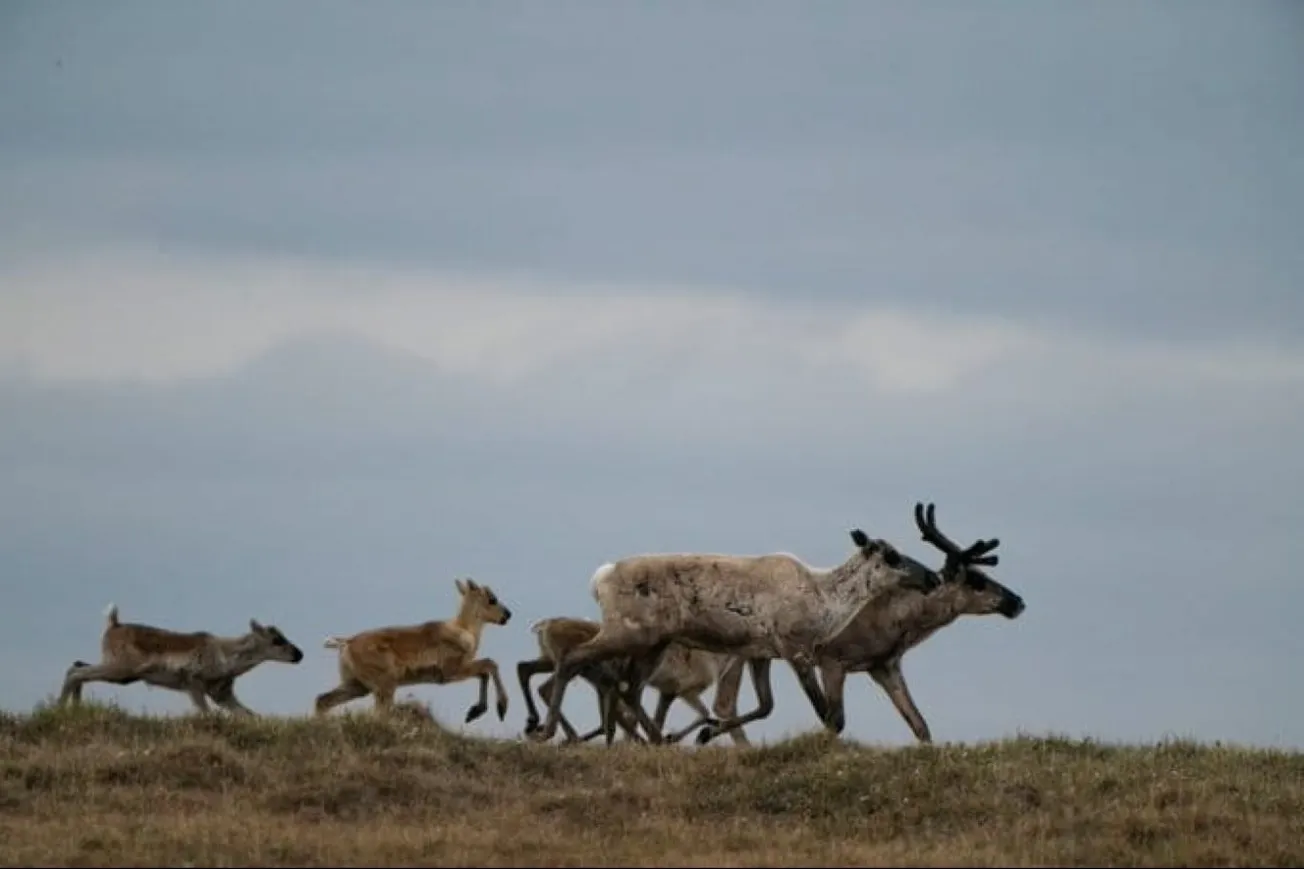
Indigenous communities also remain divided. The Gwich’in people regard the region as sacred because it serves as a calving ground for a critical caribou herd.
However, leaders from Kaktovik, the only community located within the refuge, have expressed support for responsible development, arguing that economic opportunities can coexist with environmental protections.
The auction’s outcome may provide a key indicator of industry interest in Arctic energy projects amid ongoing legal and regulatory challenges.
Also Read:
 TIPP Staff
Also Read:
 TIPP Staff