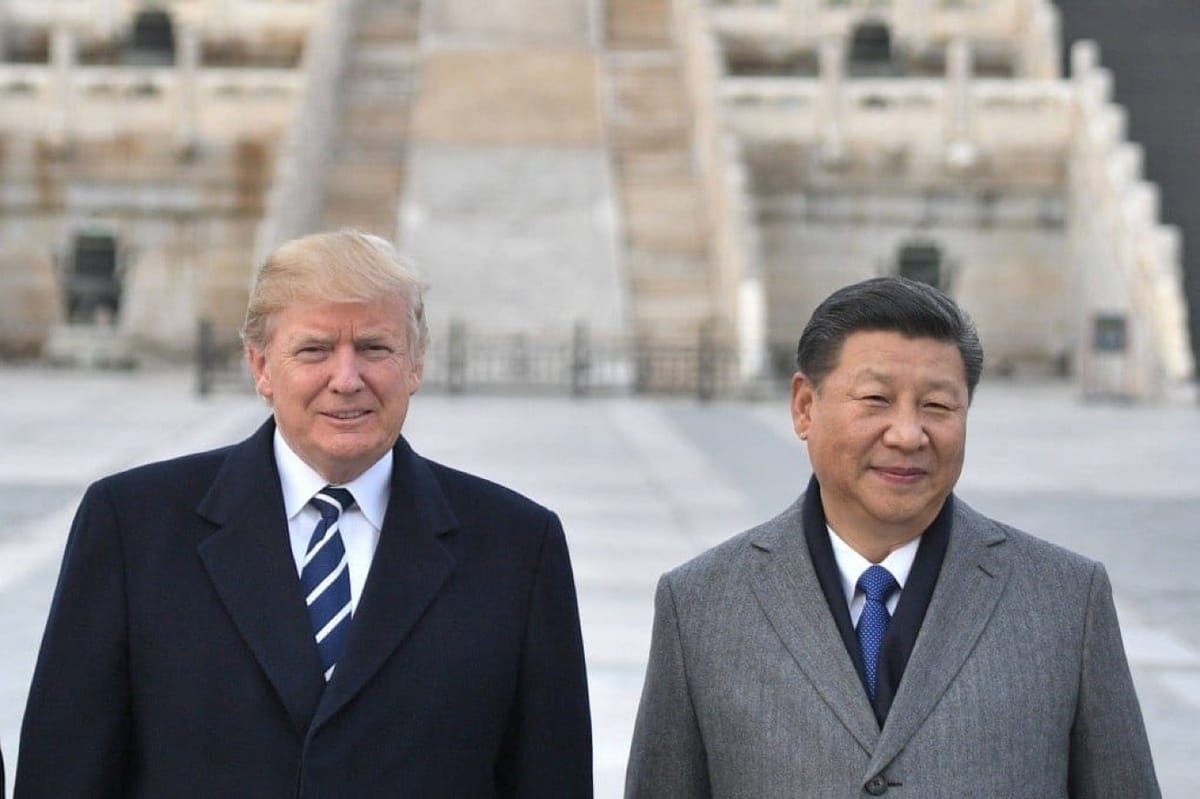
The United States Treasury Secretary Scott Bessent said Tuesday that President Donald Trump may travel to China in November 2026 for the APEC summit in Shenzhen, marking one of up to four possible Trump–Xi meetings next year.
The comments came during a CNBC interview in which Bessent said U.S.–China ties are currently “in a good place” and noted that Beijing’s promised purchases of U.S. soybeans are “on schedule,” a key issue for Trump ahead of the 2026 midterms.
Trump accepts Xi’s invite to Beijing and calls China relations ‘extremely strong’ despite trade war https://t.co/A0zfk2Mkid pic.twitter.com/TBmaKfWopS
— New York Post (@nypost) November 24, 2025
Trump has already accepted an invitation to visit Beijing in April and expects to host Xi for a state visit later in 2026. Xi may also attend the G20 summit at Trump’s Doral resort in Florida.
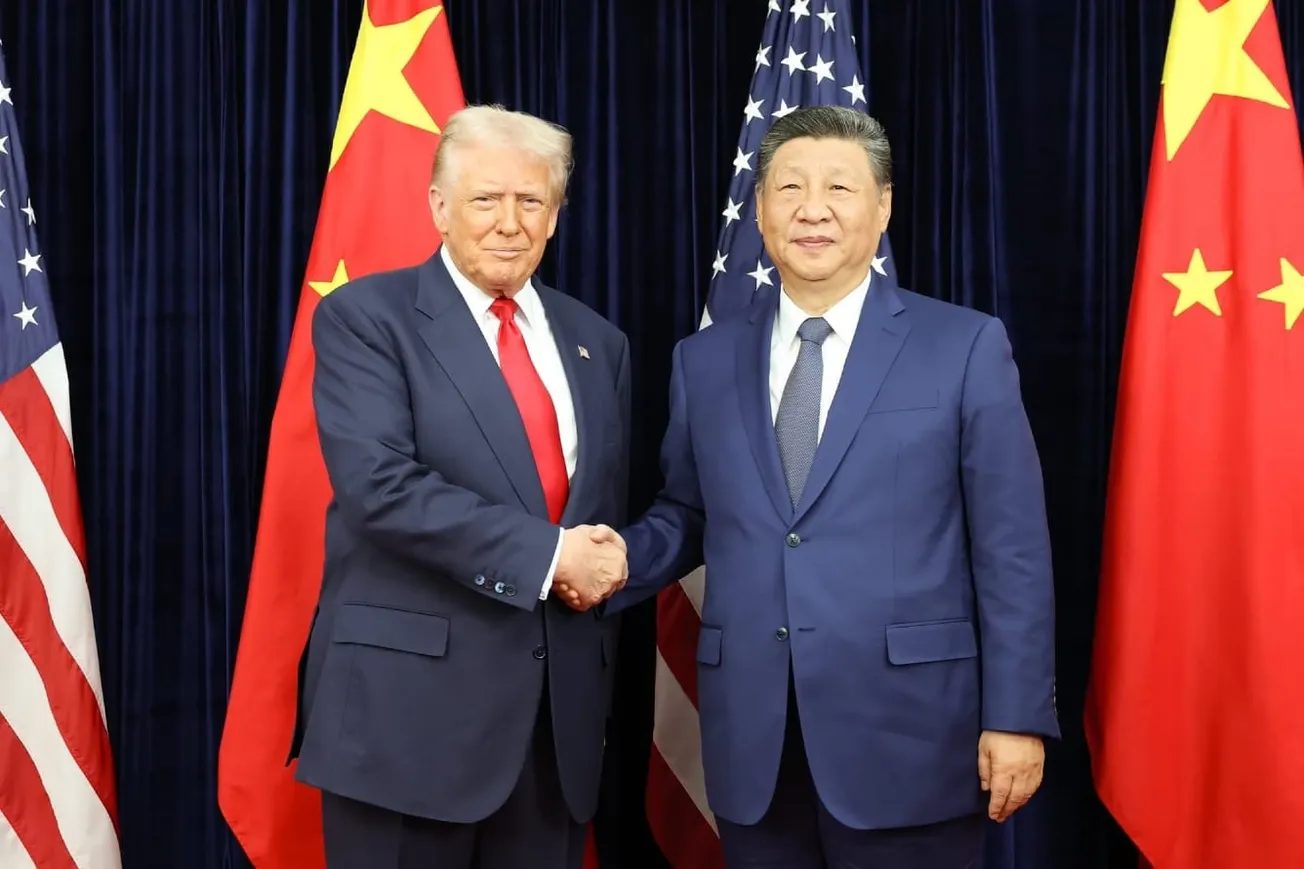
The warming dynamic follows the leaders’ October meeting in Busan, which eased months of trade tension.
President Donald Trump said he has accepted an invitation from Chinese leader Xi Jinping to visit Beijing in April and that he reciprocated by inviting Xi for a state visit to the U.S. later in 2026. https://t.co/ZDwMSYgNNw pic.twitter.com/9k76hfXWvq
— NEWSMAX (@NEWSMAX) November 24, 2025
Both sides struck deals on soy imports, fentanyl-related tariffs, shipbuilding investigations, and rare earth export controls. Bessent also said Trump plans to appoint a new Federal Reserve chair by Christmas.
Also read:
 TIPP Staff