A preliminary peace agreement between the United States and Iran has triggered intense political debate in Israel, with critics from across the political spectrum arguing that the framework fails to address key Israeli security concerns.
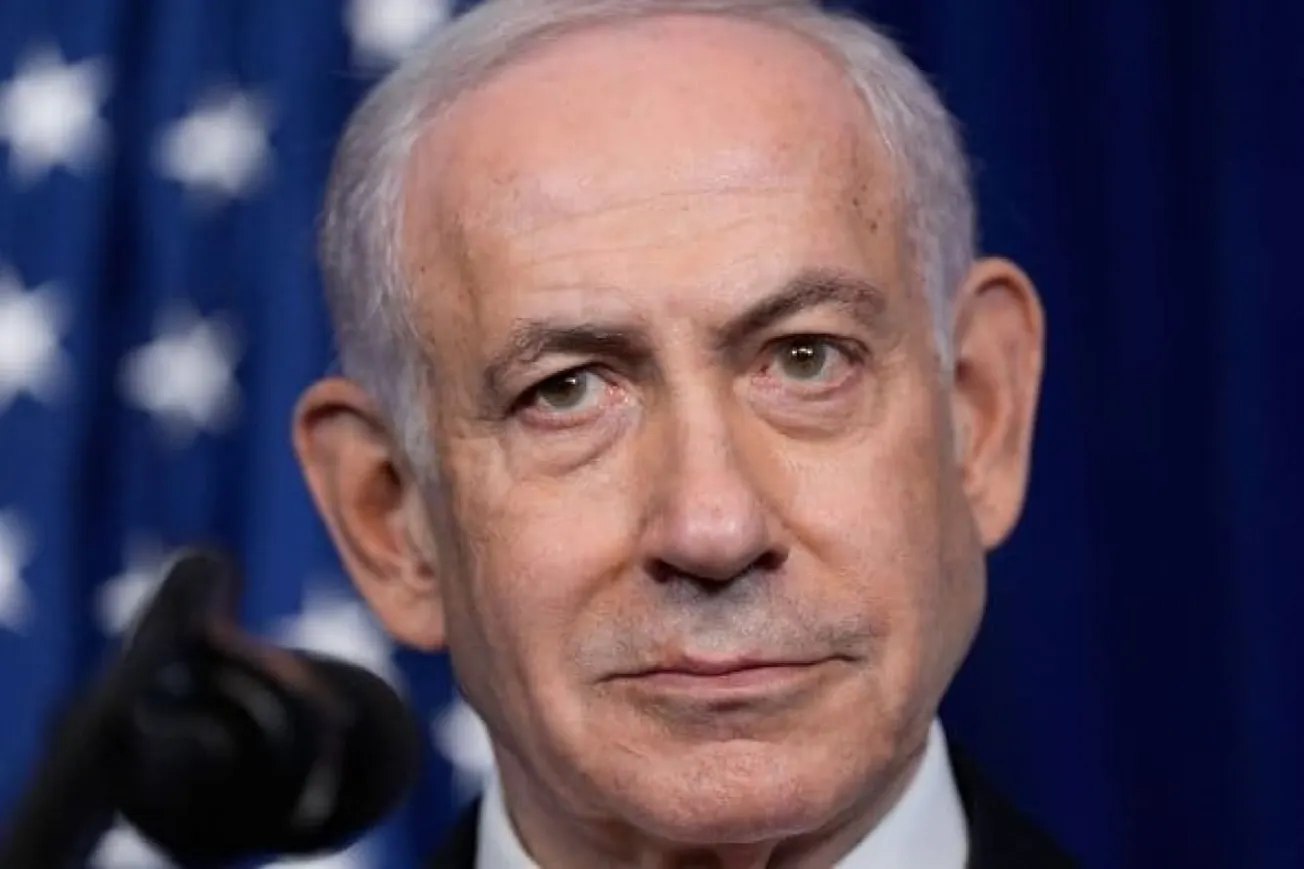
Opposition leaders and political commentators have accused Prime Minister Benjamin Netanyahu of misjudging the direction of U.S. policy and overestimating Washington's willingness to pursue a prolonged confrontation with Tehran.
Several prominent opposition figures argued that the deal falls short of Israel's stated strategic objectives and risks weakening the country's regional position.
They maintain that the agreement does not adequately address long-term security threats and could complicate Israel's efforts to contain Iranian influence across the Middle East.
The criticism has not been limited to opposition parties. Members of Netanyahu's governing coalition, including prominent right-wing ministers, have publicly expressed dissatisfaction with the framework and emphasized that Israel retains the right to pursue its own security policies regardless of diplomatic arrangements negotiated by other countries.
He stressed that Israel is not a formal party to the agreement and signaled that his government would continue to evaluate all available options to safeguard national security.
The dispute highlights the deep divisions within Israeli politics over how best to address the Iranian challenge and manage relations with key international allies.
Related Tweet:
Interim U.S.-Iran peace deal sparks anger among Israelis, who lash out at Netanyahu https://t.co/Wmdg7PDlAN
— The Washington Times (@WashTimes) June 15, 2026
Also Read:
 TIPP Staff
 TIPP Staff
 TIPP Staff