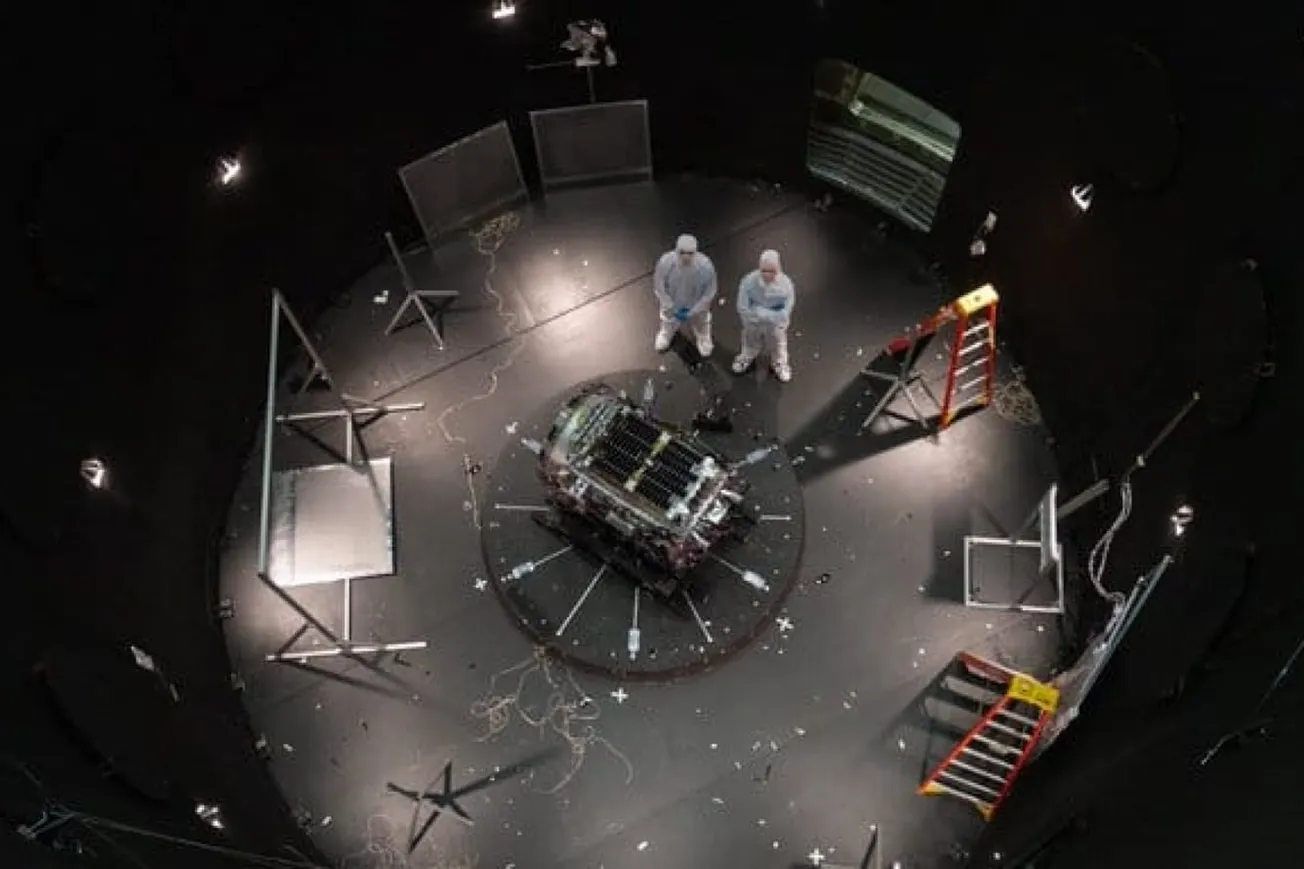
NASA is preparing to launch a groundbreaking robotic mission aimed at extending the life of the Neil Gehrels Swift Observatory, an orbiting space telescope that has been steadily losing altitude since its 2004 launch.
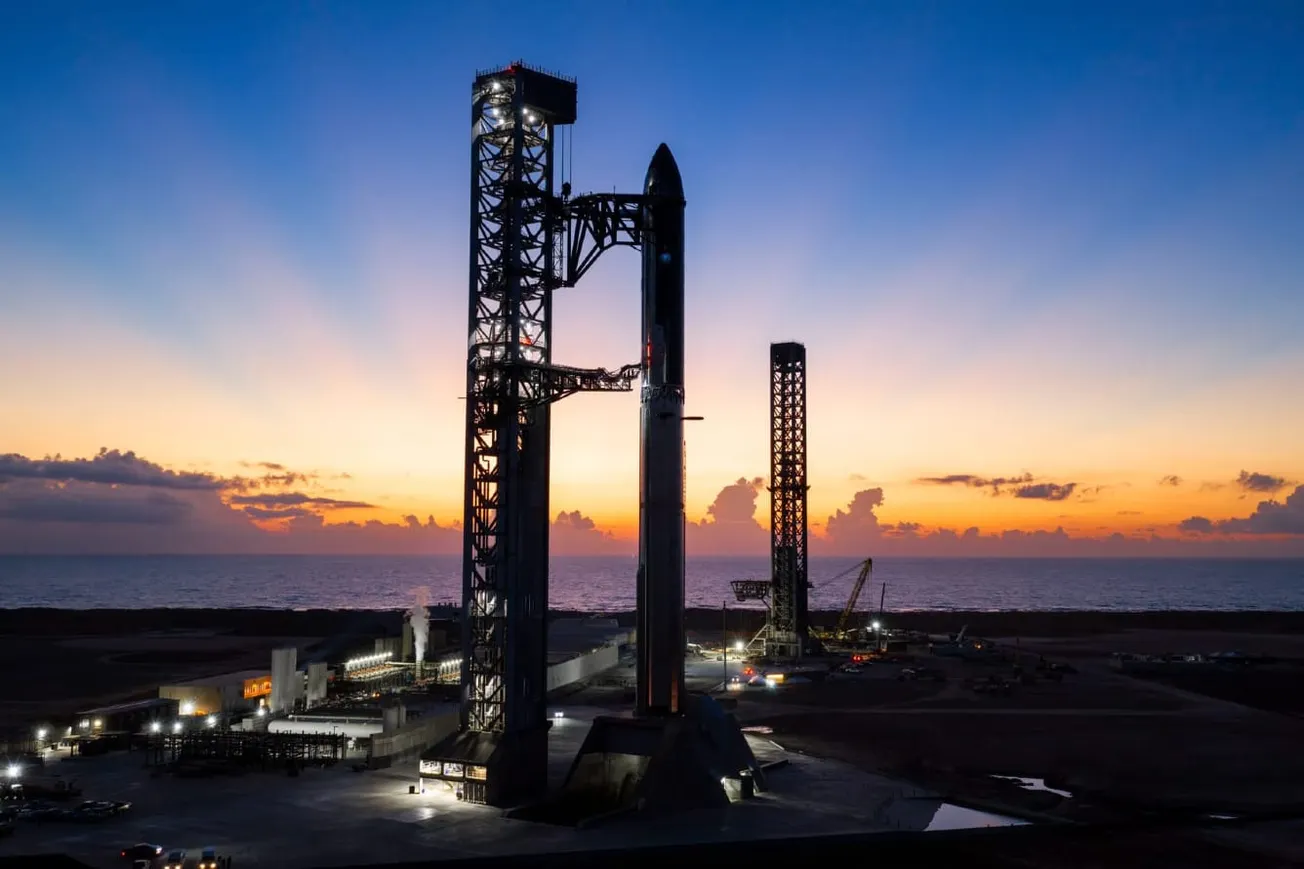
The $30 million mission, developed by startup Katalyst Space Technologies, could lift off as early as Tuesday from the Marshall Islands.
After a month-long rendezvous, the spacecraft is expected to spend approximately two months raising Swift's orbit from its current altitude to about 373 miles, preventing it from descending below the operational threshold of 185 miles.
Scientists say increased solar activity has accelerated atmospheric drag, causing the observatory's gradual orbital decay.
NASA and Katalyst believe the project could pave the way for a new commercial satellite-servicing industry.
Similar technology could eventually be used to extend the operational lives of other aging spacecraft, including the Hubble Space Telescope.
Related Tweet:
NASA is racing to save an aging telescope from falling back to Earth with a daring rescue mission.https://t.co/gqdfqat06G
— NBC4 Washington (@nbcwashington) June 28, 2026
Also Read:
 TIPP Staff