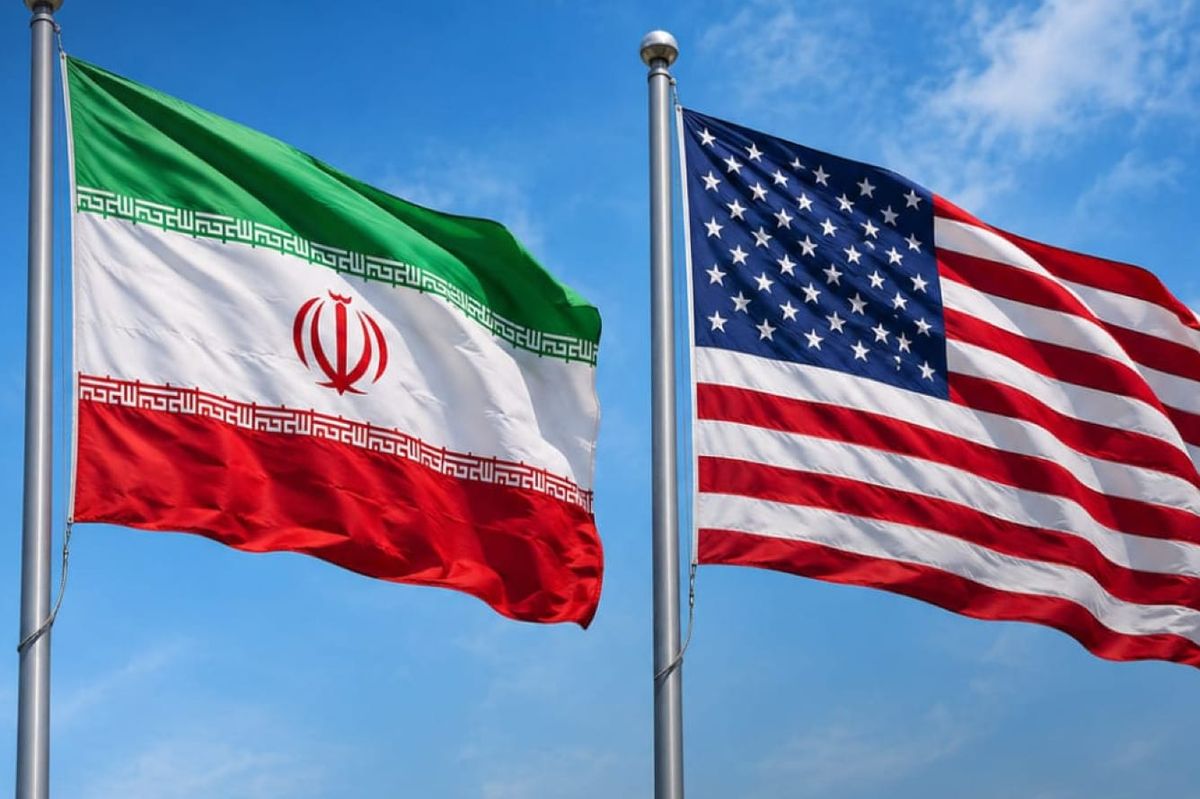
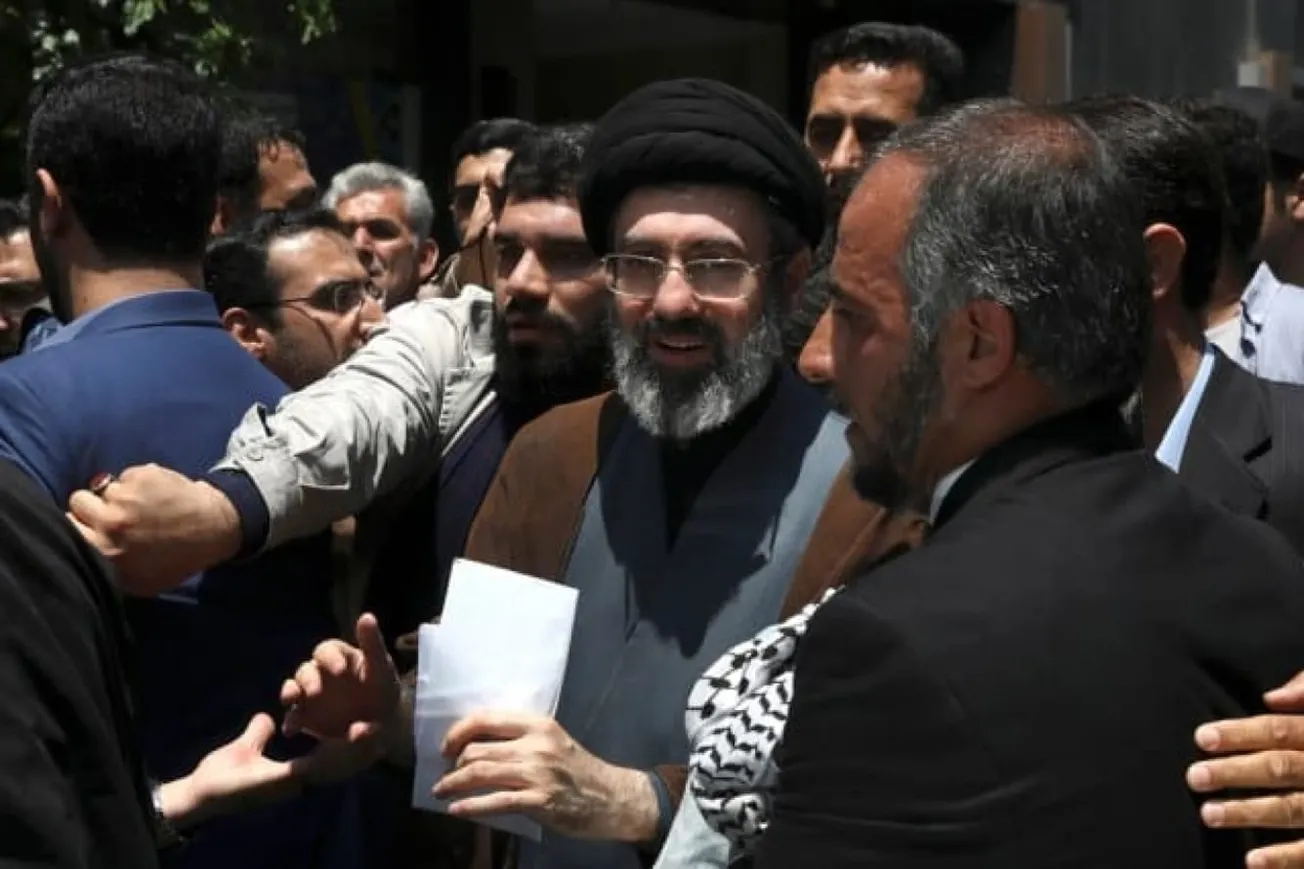
Iran’s Supreme Leader Mojtaba Khamenei has publicly acknowledged that he held reservations about the recently announced memorandum of understanding between Iran and the United States, but said he ultimately authorized the agreement after receiving assurances from senior Iranian officials regarding the protection of national interests.
In a statement published on social media, Khamenei said President Masoud Pezeshkian and senior members of Iran’s national security leadership supported the agreement out of concern for the country’s future and as a demonstration of goodwill.
Khamenei also stressed that Iran would not accept what he described as excessive demands from the United States in future negotiations. His comments suggest that while Tehran is willing to engage diplomatically, significant differences remain between the two sides on key strategic issues.
The agreement is expected to serve as a framework for continued discussions rather than a final settlement.
Future negotiations are expected to focus on verification mechanisms, long-term nuclear restrictions, and broader regional security concerns.
The agreement has generated mixed reactions internationally. Supporters argue it offers an opportunity to reduce tensions and prevent further conflict, while critics in both Israel and the United States contend that the arrangement provides insufficient guarantees regarding Iran’s future conduct.
These concerns have fueled debate over whether the framework delivers meaningful strategic concessions in exchange for economic and diplomatic benefits.
Related Tweet:
Iran supreme leader says he approved MOU despite reservationshttps://t.co/mY5OWELvRP
— The Hill (@thehill) June 18, 2026
Also Read:
 TIPP Staff