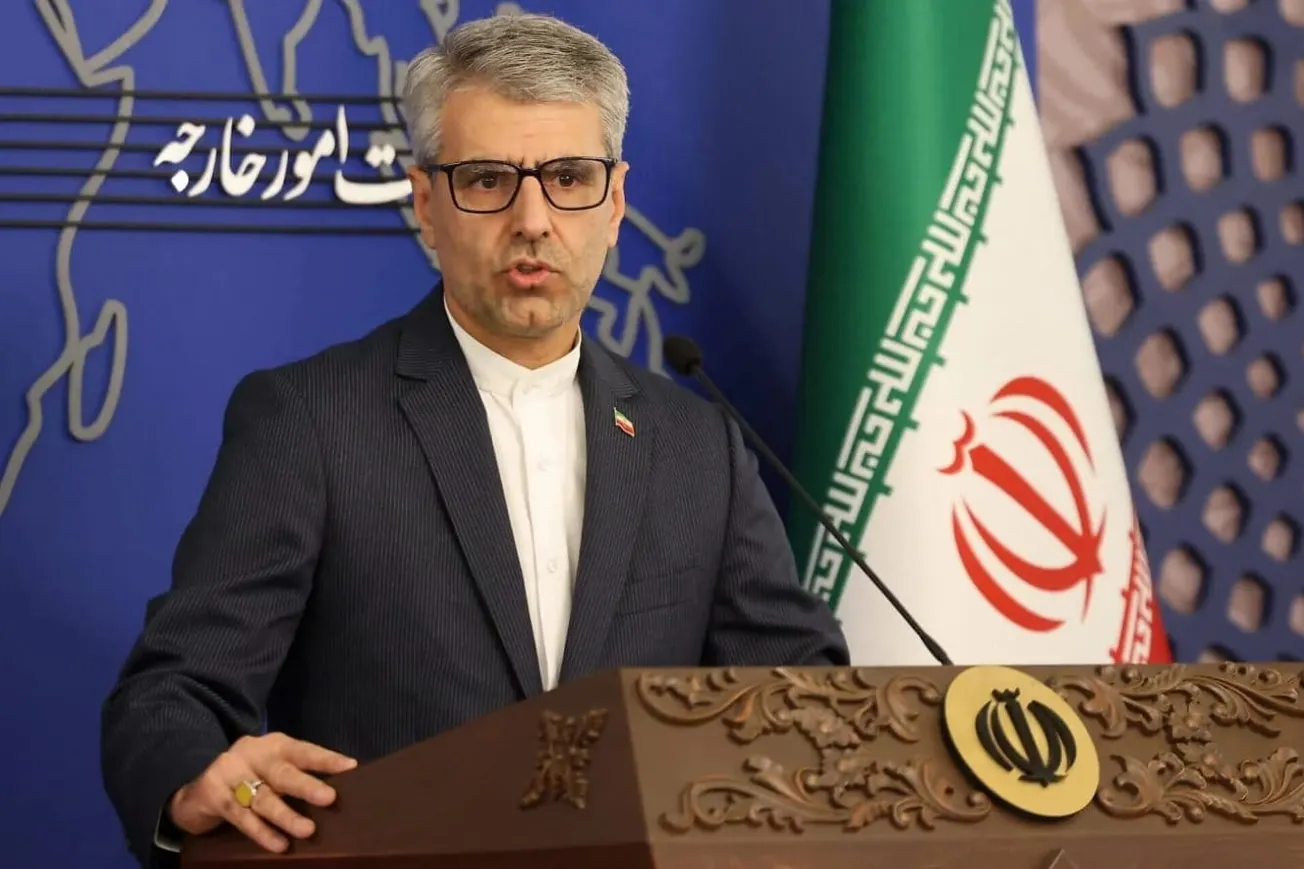
Iranian Foreign Ministry spokesperson Esmaeil Baghaei hailed the newly signed memorandum of understanding (MOU) between Tehran and Washington as a major diplomatic victory, claiming Iran had "defeated two nuclear powers" and emerged stronger from the conflict.
Speaking to Iranian state television, Baghaei confirmed that both Iran and the United States had signed identical versions of the agreement. He said implementation would be more challenging than negotiations and warned that Tehran would closely monitor U.S. compliance.
According to Baghaei, Iran expects relief on oil exports, shipping access and sanctions-related restrictions during the 60-day negotiation period.
Baghaei also reiterated that Iran's ballistic missile program would remain off the negotiating table and rejected any proposal to transfer enriched uranium outside the country. He further stated that Iran intends to maintain authority over the Strait of Hormuz while charging fees for related services.
Report by NewsMax said the agreement has drawn criticism from Israeli officials and some U.S. commentators, who argue the arrangement grants significant concessions to Tehran while leaving key nuclear and missile concerns unresolved.
Related Tweet:
Iran's Foreign Ministry spokesperson celebrated the memorandum of understanding between Iran and the United States, declaring that his country "defeated two nuclear powers … we truly are a superpower." https://t.co/7Av2nAzDpm
— NEWSMAX (@NEWSMAX) June 18, 2026
Also Read:
 TIPP Staff