
By Richard Haass, Project Syndicate | November 17, 2026
In principle, the planned summit of the US, Russian, and Chinese presidents could usefully address what should be done to limit the proliferation of nuclear weapons, ensure that AI is more a force for good than harm, and end ongoing wars and prevent new ones. But principle is one thing; in practice, we are likely to see something else.
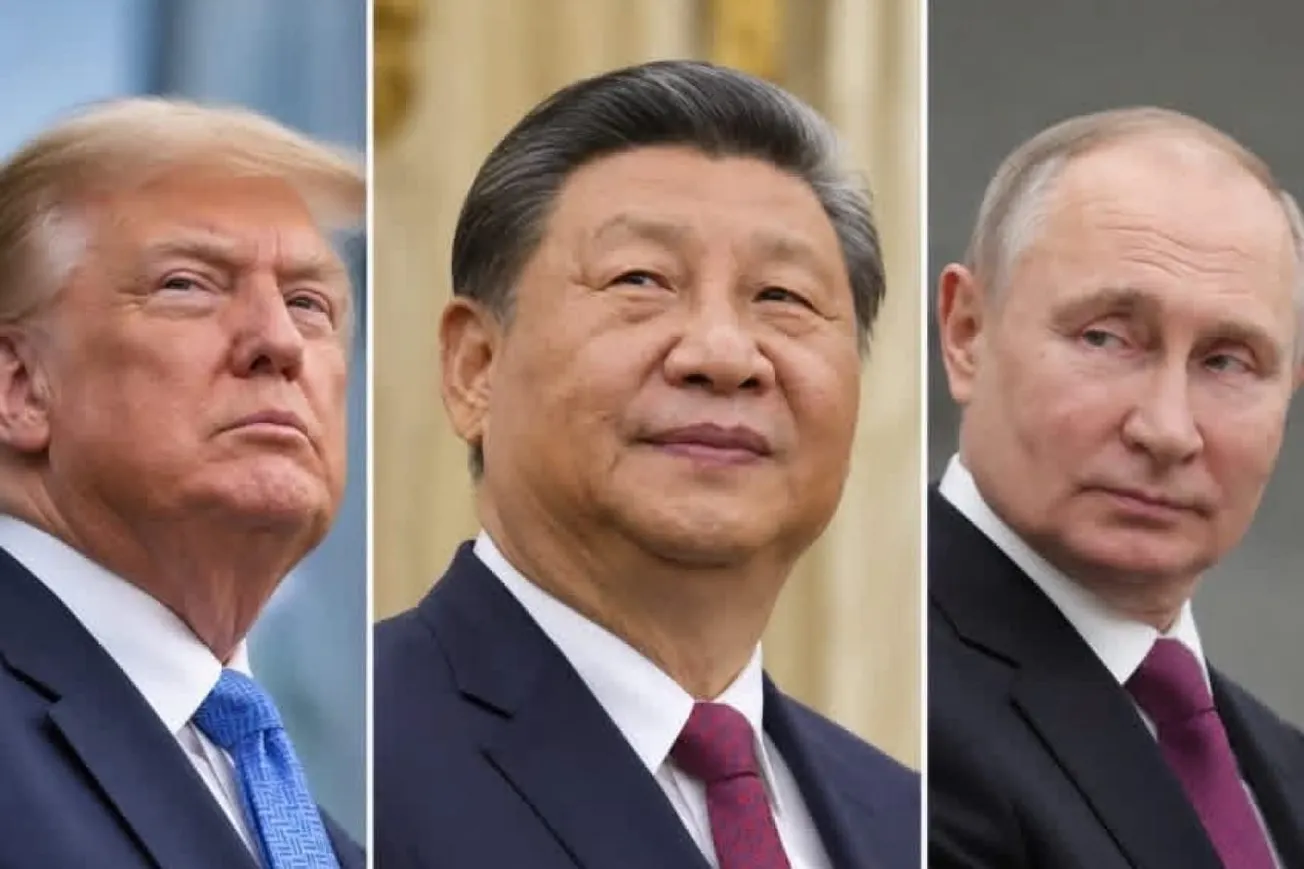
SHENZHEN—China’s technology hub is hosting the annual gathering of the 21 members of the Asia-Pacific Economic Cooperation (APEC). But what is capturing the lion’s share of the world’s attention is something else: a planned three-way meeting between US President Donald Trump and his Russian and Chinese counterparts, Vladimir Putin and Xi Jinping.
In principle, amid ongoing wars in Iran and Ukraine, and given growing Chinese influence in Asia and beyond, a summit among the leaders of three of the world’s most powerful countries to discuss these challenges should be welcome, despite or, more accurately, because of their many differences. As Winston Churchill famously remarked, “meeting jaw to jaw is better than war.”
And in principle, the three leaders could usefully address what should be done to limit the proliferation of nuclear weapons, ensure that AI is more a force for good than harm, and end ongoing wars and prevent new ones. But principle is one thing; in practice, we are likely to see something else.
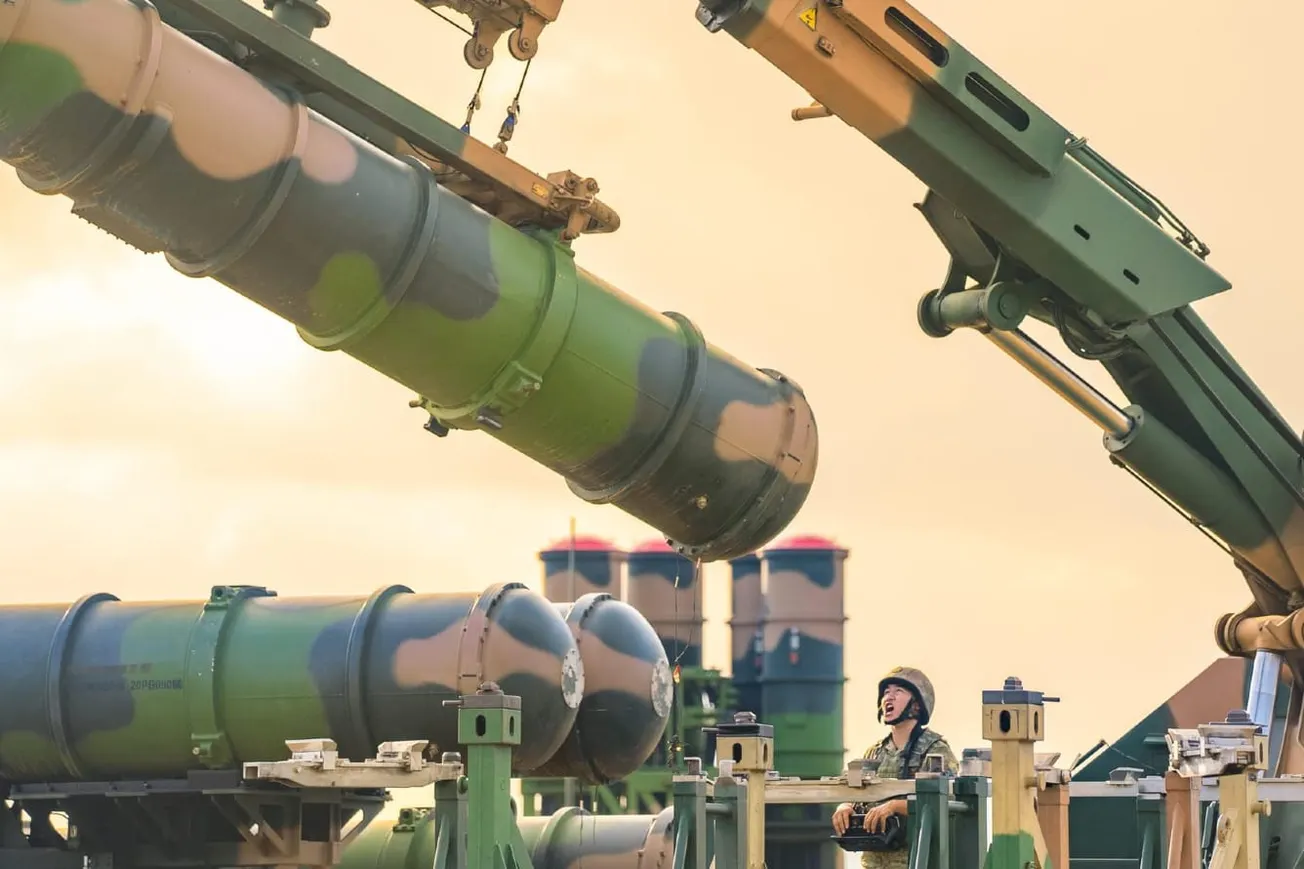
Start with nuclear non-proliferation. China has the world’s fastest-growing nuclear arsenal and has repeatedly expressed no interest in joining US-Russian arms control arrangements until it reaches a position of parity. In any case, there are no US-Russian nuclear agreements to join anymore; all of them have expired.
The three presidents can discuss what is known as horizontal proliferation, the spread of nuclear weapons to others, but the reality is that Russia and China have not reined in North Korea’s growing program. Quite the contrary: the Kremlin may now be actively helping the Kim regime to improve its arsenal as the price of North Korea’s agreement to send troops to fight alongside Russia against Ukraine.
On that front, other countries have surely noted that Ukraine handed over its Soviet-era nuclear weapons three decades ago, and that the US attack on Iran most likely would not have occurred if Iran possessed nuclear weapons. The three leaders may well extoll the virtues of nonproliferation, even though they have done much to undermine its appeal. It would not be the first time hypocrisy and diplomacy went hand in hand, but that does not lower the stakes.
The most that can reasonably be expected on AI is some agreement to warn one another if and when rogue agents break out of their virtual “sandboxes.” Anything more ambitious seems unrealistic given the competitive nature of their relations and how central AI promises to be to their economic and military strength.
The three leaders will discuss the situation in the Middle East and call for an end to the war with Iran. But they will not do much, if anything, about it. China and Russia enjoy seeing the United States bogged down militarily in the region; they also benefit from the resulting rise in isolationist sentiment in the US. Both have contributed in various ways to Iran’s ability to fight the war. China, as a major energy importer, would prefer that the war not escalate and cause harm to the region’s oil fields, refineries, and export infrastructure, but Russia, as an energy exporter, benefits from high prices.
All this takes place against the backdrop of intense Russian bombing of Ukraine and repeated demonstrations of Putin’s lack of good faith in negotiations to end the war. China, for its part, has been a consistent backer of the Russian effort, because it does not want to see Putin humiliated and possibly overthrown and sees a clear upside in the US spending its finite resources outside of the Indo-Pacific.
Further limiting what can be expected from this “strongman” summit is that none of the three leaders arrives in Shenzhen with all that much strength. Trump is fresh off a decisive repudiation by American voters in this month’s midterm elections, as his Republican Party lost control of Congress and many state governments. His administration is also on the defensive for not doing more to stop the export of advanced chips by Nvidia to China.
Likewise, Putin is losing rather than gaining ground in Ukraine and cannot defend his own energy infrastructure from attacks by Ukrainian drones. Xi faces a host of domestic economic problems, and his continuing purges of the military leadership suggest that his efforts to assert control at home are meeting resistance.
The bigger danger might be that an embattled Trump tries to accomplish too much at this meeting. What comes to mind is the February 1945 Yalta Conference, at which US President Franklin D. Roosevelt, British Prime Minister Winston Churchill, and Soviet leader Joseph Stalin met to decide the fate of eastern and central European countries liberated from Nazi Germany. The understandings reached by the Big Three of 1945 proved to be little more than a fig leaf for Soviet control of Poland and its neighbors.
The danger, of course, is that Trump would cede influence to Putin in Europe and to Xi in Asia in the hopes of receiving economic benefits or gaining their acceptance of US primacy in the Western Hemisphere. But that would be an abysmal trade, given the relative economic and military weighting of the three regions.
A photo-op with the three leaders (even though it gives Putin more legitimacy and standing than he deserves) would be preferable to almost any imaginable agreement. Sometimes less is more. This is almost certain to be one of those times.
Richard Haass, President Emeritus of the Council on Foreign Relations, senior counselor at Centerview Partners, and Distinguished University Scholar at New York University, previously served as Director of Policy Planning for the US State Department (2001-03), and was President George W. Bush's special envoy to Northern Ireland and Coordinator for the Future of Afghanistan. He is the author of The Bill of Obligations: The Ten Habits of Good Citizens (Penguin Press, 2023) and the weekly Substack newsletter Home & Away.
Loved it, hated it, or somewhere in between — tell us. Grade this article here and help shape what lands in your inbox next.
🔗 Further Reading
Deeper on what you just read.
🟨The Ghost Of Yalta – Editorial Board, TIPP Insights
🟧 Watch: Trump’s Trilateral With Xi And Putin Raises Stakes For Europe And Asia – TIPP Staff, TIPP Insights
🟧 Ukraine Critically Damages Kerch Bridge Linking Crimea With Russia – TIPP Staff, TIPP Insights
🟧 Ukraine War Tensions Deepen As Putin Reportedly Seeks Talks With Trump And Xi – TIPP Staff, TIPP Insights
🟧 Putin Rejects Territorial Compromise In Talks With US Envoys On Ukraine – TIPP Staff, TIPP Insights
🟧 People Are Not Upset Enough About The End Of New START – Connor O’Keeffe, Mises Wire
🟧 As U.S.-Russia Nuke Deal Expires, 2/3 Of U.S. Voters ‘Concerned’ About Nuclear War: I&I/TIPP Poll – Terry Jones, TIPP Insights
🟧 China And Russia Deepen Strategic Partnership In Beijing Summit – TIPP Staff, TIPP Insights
🧭 Power & Capital · November 18, 2026
Where state power meets the boardroom.
🔷 US Lawmakers Demand Details Of Mercedes-Benz's Chinese Ownership Ties
🌍 Global Affairs
The world's flashpoints, in motion.
🟥 US Fighter Jets Target Iranian Missile Facility Amid Rising Gulf Tensions – TIPP News
🟥 What Comes Next For The United States In The Middle East? – Philip Giraldi, Ron Paul Institute for Peace and Prosperity
🏛️ National Affairs
The fights shaping America right now.
🟫 We Want Our Money Back – Editorial Board, Issues & Insights
🟫 Mayor Pete’s DEI Love Strands Millions – Editorial Board, Issues & Insights
🟫 Pentagon Fails Ninth Consecutive Audit Despite Progress In Financial Management – TIPP News
🟫 Trump Nominates Christopher LaNeve As New Army Chief Of Staff – TIPP News
🟫 Appeals Court Blocks Pentagon From Discharging 27 Transgender Service Members – TIPP News
🟫 FAA Halts New Router Installations After Nationwide Flight Ground Stop – TIPP News
🟫 Mullin Defends Government Plane Trip To Texas-LSU Game Amid FAA Ground Stop – TIPP News
🟫 US Lawmakers Reach Deal On Aircraft Safety Systems After 67 Deaths – TIPP News
🟫 JD Vance Says Americans Don't Need Bunkers Or Emergency Food Stockpiles – TIPP News
🟫 US Conducts Nationwide Emergency Alert System Test During Routine Maintenance – TIPP News
🟫 Why Hegseth Is Hated By So Many Troops – Ken Klippenstein, Ron Paul Institute for Peace and Prosperity
🟫 Beware Chuck Schumer’s Mind Games – Ken Klippenstein, Ron Paul Institute for Peace and Prosperity
🟫 Will Democrats Raise Taxes On Homeschoolers? – Ron Paul, Ron Paul Institute for Peace and Prosperity
🟫 Intellectuals Paved The Road To Serfdom – James Bovard, Ron Paul Institute for Peace and Prosperity
🟫 Thomas Paine Defended Liberty, Not Egalitarianism – Wanjiru Njoya, Mises Wire
🟫 Oldest Surviving Pearl Harbor Veteran Freeman Johnson Dies At 106 – TIPP News
💼 Markets & Business
The deals and tickers making moves.
🟧 Microsoft Unveils New AI Models To Challenge OpenAI And Anthropic – TIPP News
🟧 General Motors Begins Search For Mary Barra's Successor – TIPP News
🟧 Apple Outage Leaves Users Unable To Access Multiple Services – TIPP News
🟧 The Current AI “Investments” Are Turning Into A Bubble – Jonathan Newman, Mises Wire
🔬 Science & Tech
What's being discovered, built, and launched.
🟪 US Loses Measles-Free Status After 26 Years Amid Nationwide Outbreak – TIPP News
🟪 Google Warns Fully Autonomous AI-Powered Cyberattacks Could Soon Become Common – TIPP News
🟪 School Phone Bans Linked To Gradual Improvements In Test Scores – TIPP News
📊 Market Mood · November 18, 2026
How the trading day is setting up.
🟩 Nvidia's strong outlook is offering relief to AI stocks. The chipmaker's better-than-expected sales forecast is lifting U.S. futures, although concerns about AI valuations and financing persist.
🟥 Global stocks remain fragile after Tuesday's selloff. The S&P 500 fell 1%, while the Dow lost more than 800 points as investors reassessed technology valuations and the outlook for interest rates.
🟦 Treasury yields are easing as investors seek safety. The 10-year yield has slipped toward 5.1%, although persistent inflation and expectations for another Fed rate hike in December continue to weigh on markets.
🟨 Oil is retreating as U.S. inventories rise. Brent has fallen toward $92 a barrel, offering some inflation relief despite continuing Middle East supply risks.
🗓️ Key Economic Events
On today's U.S. data calendar.
🟧 8:30 a.m. ET — Housing Starts (October)
Forecast: 1.27M | Previous: 1.221M
Residential construction is expected to rebound modestly, although elevated mortgage rates continue to constrain housing demand.
🟧 10:00 a.m. ET — Pending Home Sales (October)
Forecast: -2.0% m/m | Previous: -7.3% m/m
Pending sales are expected to decline again, suggesting continued weakness in housing demand despite a smaller monthly contraction.
🟧 2:00 p.m. ET — FOMC Meeting Minutes
Minutes from the Fed's October meeting will provide fresh insights into policymakers' inflation concerns and the likelihood of another rate hike in December.
Letters to the editor email: editor-tippinsights@technometrica.com
Subscribe Today And Make A Difference. Consider supporting Independent Journalism by upgrading to a paid subscription or making a donation. Your support helps tippinsights thrive as a reader-supported publication. Contact us to discuss your research or polling needs.
Reach our audience. For sponsorship and advertising opportunities, visit our Partner With Us page.