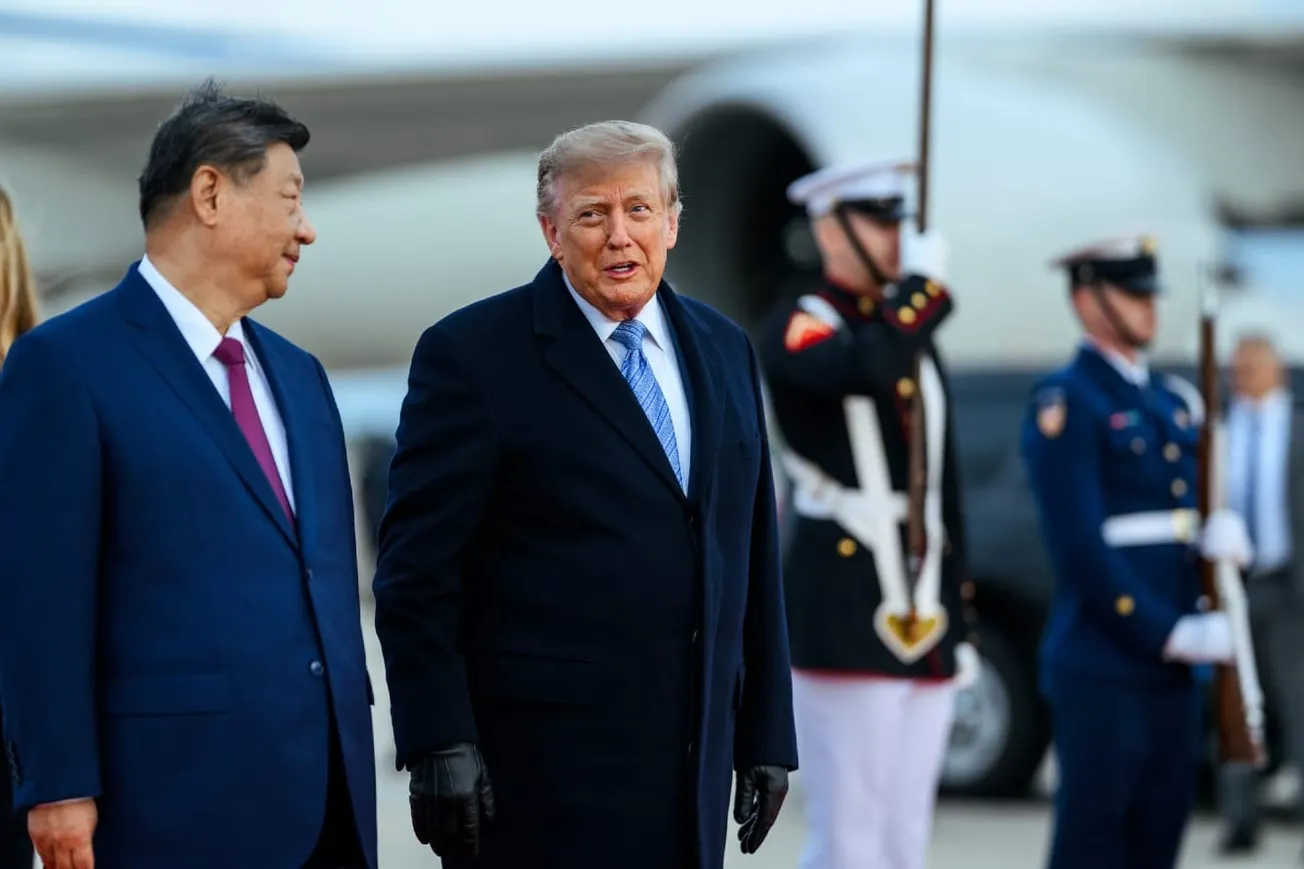
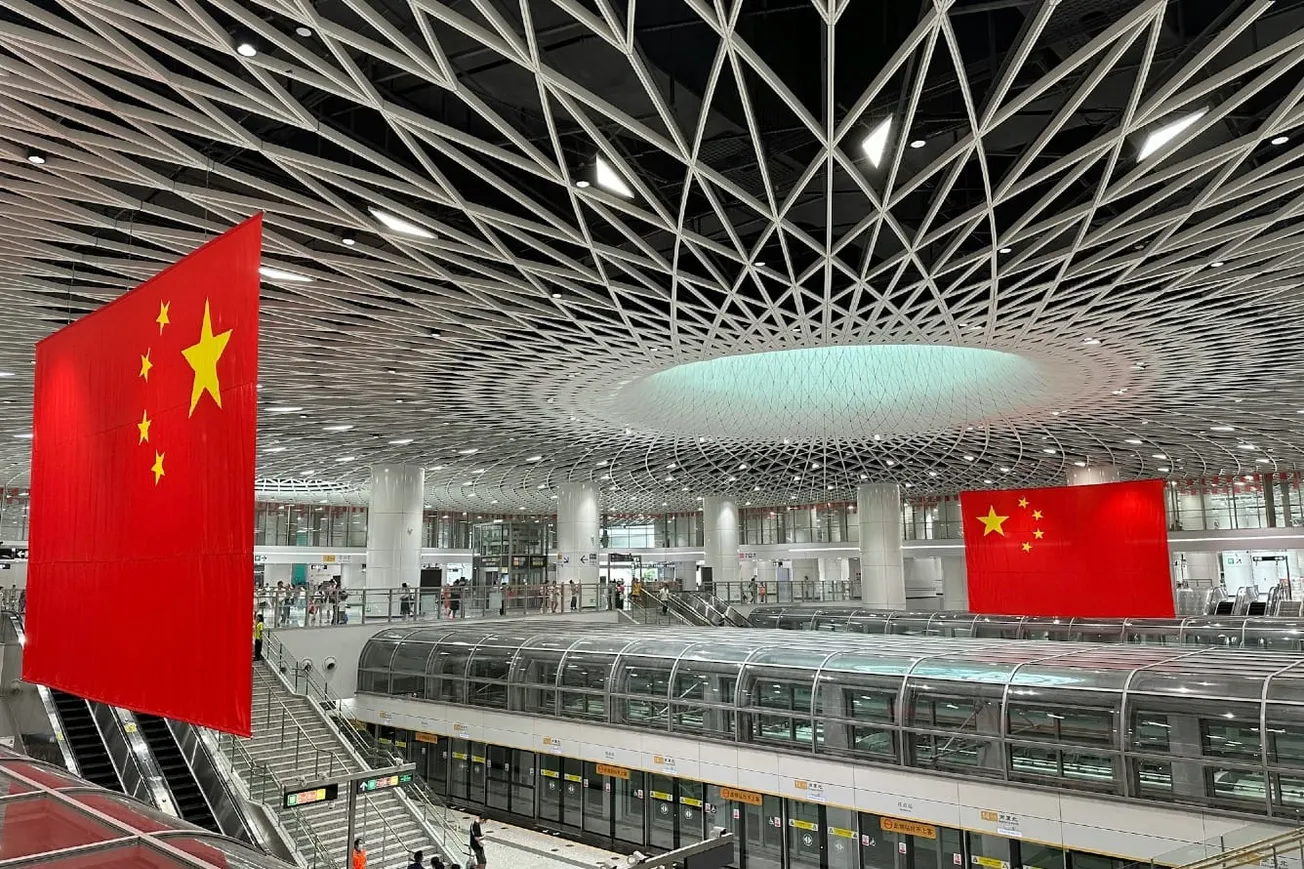
China is intensifying its technological race with the West, expanding its influence into new frontiers — the Arctic, deep sea, outer space, and cyberspace. This week, Beijing announced a record-breaking Arctic Ocean expedition using its Tan Suo San Hao vessel, marking it as the only nation capable of continuous manned dives in dense Arctic sea ice, according to People’s Daily.
A record number of overseas licensing deals and the rapid growth of clinical trials and early-stage R&D is driving China’s transformation from copycat drugmaker to a hub of homegrown research https://t.co/8hyGo7zTe6 pic.twitter.com/Oaw2cR00hv
— Financial Times (@FT) October 27, 2025
The BeiDou satellite system, China’s GPS alternative, is set for next-generation upgrades under the next five-year plan.
Analysts at the Mercator Institute for China Studies (MERICS) say these advances demonstrate China’s push for technological autonomy and global influence, often in partnership with Russia.
China’s geopolitical competition expands into new frontiers with scientific milestones https://t.co/onyALGCTr4
— Navy Space Cadre (@NavalSpace) October 28, 2025
Western analysts warn Beijing’s growing footprint in space and polar research could threaten U.S. and European dominance. Beijing calls it peaceful progress, but Washington sees a mounting strategic challenge.
Also read:
 TIPP Staff
 TIPP Staff