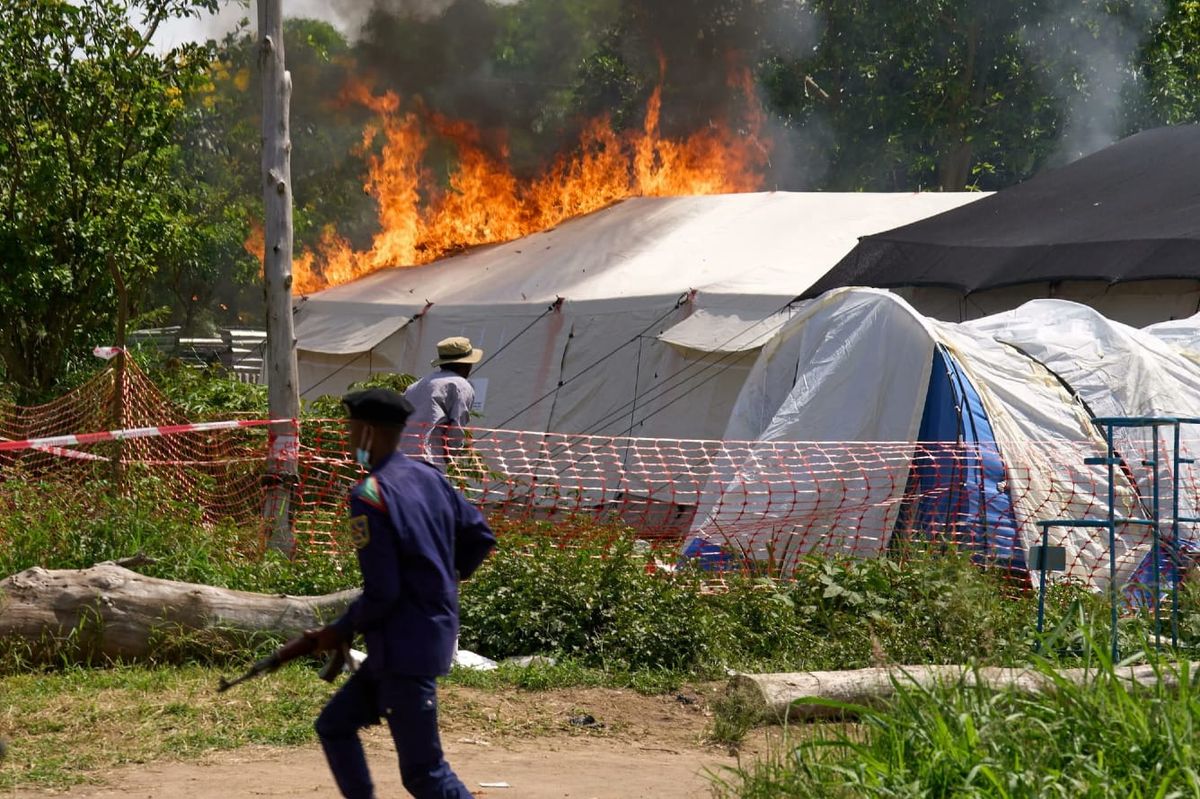
The Democratic Republic of the Congo has recorded more than 1,000 confirmed Ebola cases as health authorities confront one of the country's most challenging outbreaks in recent years, complicated by insecurity, population displacement, and limited access to affected communities.
According to official figures released on Sunday, confirmed infections have reached 1,003 cases, including 254 deaths. The outbreak, which has been concentrated in the northeastern province of Ituri since mid-May, is linked to the Bundibugyo strain of the Ebola virus.
Health officials have reported some positive developments, including approximately 100 recoveries and the isolation of hundreds of patients. However, the scale of the response remains daunting.
Authorities estimate that more than 35,000 individuals may have been exposed to infected patients, yet contact tracing efforts have reached only a little over half of those considered at risk.
The outbreak is unfolding in a region already affected by armed conflict and humanitarian challenges. Attacks attributed to the Allied Democratic Force, an extremist group operating in eastern Congo, have disrupted access to several communities and forced residents to flee their homes.
These conditions make it more difficult for health workers to identify cases, monitor contacts, and deliver medical assistance to vulnerable populations.
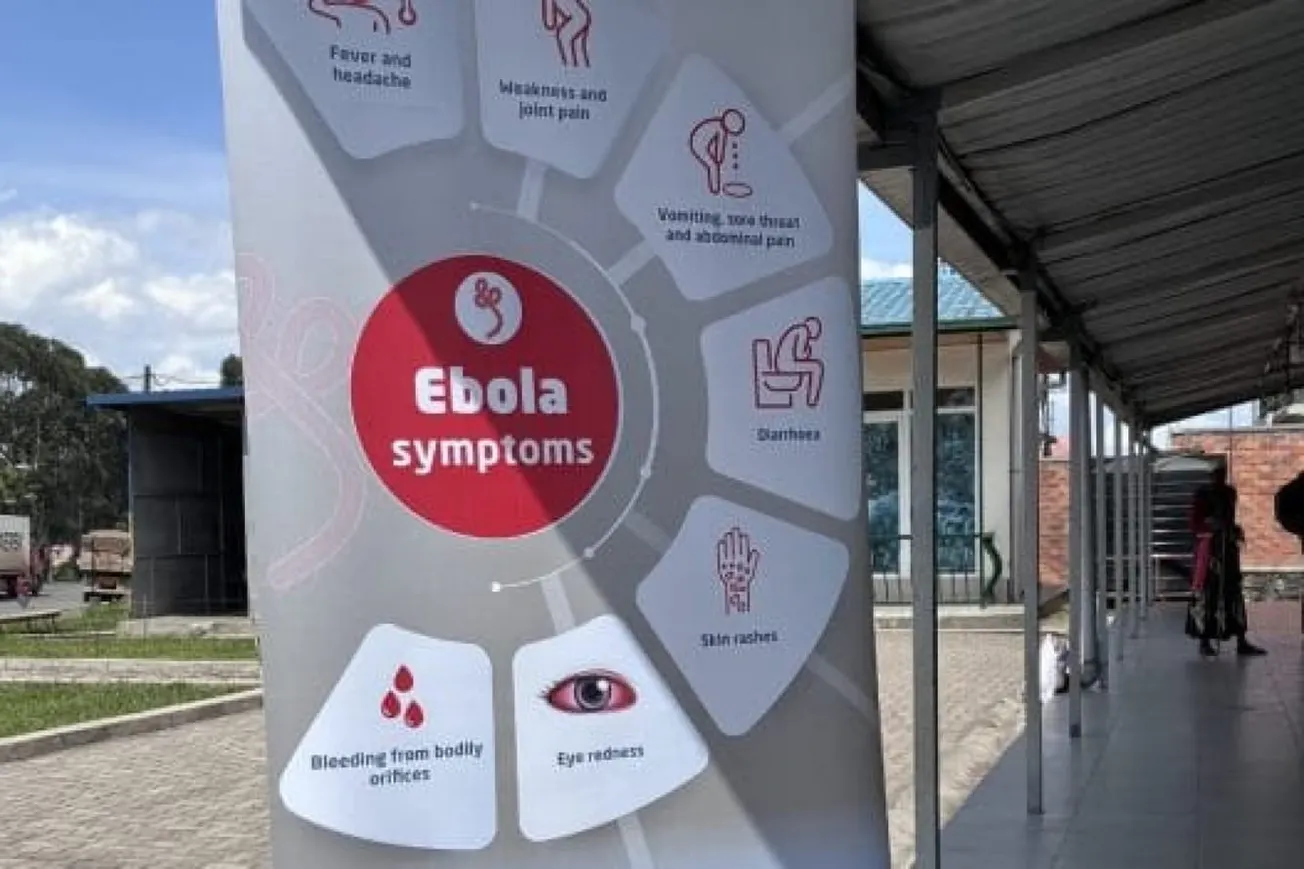
Ebola is a severe viral disease that can cause fever, vomiting, internal bleeding, and organ failure. Rapid identification of cases, isolation of patients, and thorough contact tracing are considered essential to controlling outbreaks.
However, these measures become significantly harder to implement in areas affected by violence and large-scale population movements.
Related Tweet:
Confirmed Ebola cases in outbreak zone top 1,000https://t.co/t3ZaH9N4Fl
— The Hill (@thehill) June 22, 2026
Also Read:
 TIPP Staff