
By Simon Johnson, Oleg Ustenko, Project Syndicate | Aug 3, 2026
High inflation and interest rates are eating away at the foundations of the Russian economy and sapping its growth. By hitting its most important sectors, and its essential source of foreign hard cash, new US legislation would pile enormous pressure on the Kremlin just when it is urgently needed.
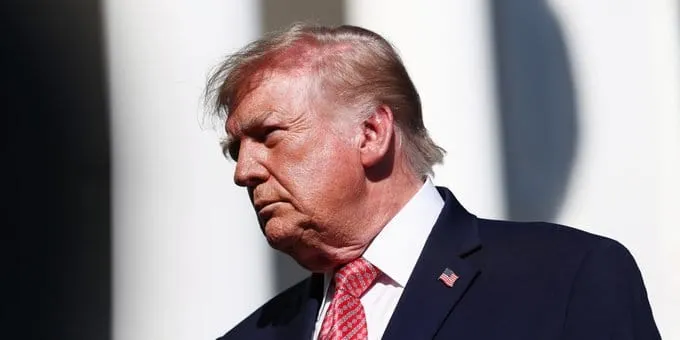
WASHINGTON, DC—US President Donald Trump has long argued that he could easily end the war that began with Russia’s full-scale invasion of Ukraine in February 2022. Unfortunately, the results of his attempts to intervene have not been decisive, and Russia’s brutal aggression continues to exact a growing civilian toll.
Nonetheless, a bipartisan group in the US Congress has done the hard work of making Trump’s task more straightforward. A proposed bill clearly identifies comprehensive ways to squeeze Russian export revenues, while also creating a well-targeted tariff authority to support those measures and ensure that they cannot hurt the US economy.
The Lindsey O. Graham Sanctioning Russia Act (known as S.5025 in the Senate) was crafted by the late Senator Lindsey Graham, together with Senators Richard Blumenthal, Jeanne Shaheen, Katie Britt, Roger Wicker, James Risch, and other colleagues. It focuses on hitting Russia where it would hurt most: the oil and natural gas exports that generate the revenues financing its war machine.
To be sure, previous attempts to squeeze Russian export revenues have had some impact. But they also resulted in the growth of a large “shadow fleet” carrying Russian oil, as well as related financial transactions designed to evade Western sanctions. In response to previous attempts to limit Russian export revenue, the Kremlin and its international partners found various workarounds, including using tankers with shadowy ownership and “washing” oil by routing it through ports in oil-rich regions like the Middle East.
Despite its name, the “shadow fleet” is not hidden at all. Russia has been conspicuously flaunting its ability to evade sanctions, confident that the West—especially the United States—will not enforce meaningful legal countermeasures.
That could change with the proposed legislation, which has three main components. First, it focuses attention (and mandatory sanctions) on all Russian companies involved in exporting fossil fuels, including energy companies, financial vehicles, and energy projects themselves. Second, it “clamps down” on the shadow fleet. There would be no more cheating or turning a blind eye. Anyone who deals with this fleet would be subject to punitive American sanctions.
Third, it imposes targeted tariffs on a narrow group of the worst-offending countries that continue to buy oil or natural gas from Russia. This provision would stop most potential purchasers in their tracks. A few countries may continue to buy from Russian suppliers, but only if they can secure massive discounts.
Importantly, the US would retain the discretion to adjust these measures if there are unintended consequences, and the increased pressure on Russia would be huge. The price at which Russia can sell oil would fall, probably by a lot, and as the money flowing into the Kremlin’s coffers declined, so would its spending on the war and efforts to prop up its teetering civilian economy.
At the same time, Russia will continue to pump and sell oil to the world at roughly the same volume as before. The reason for this is simple: the marginal cost of production in West Siberia (Russia’s main fields) is around $15 per barrel, and Russia is desperate for foreign cash. As long as it is making at least a few dollars per barrel, the oil will flow.
Consequently, the Sanctioning Russia Act would be unlikely to affect the world price of oil, which is determined by the global balance of supply and demand, but it would reduce the price received by the Kremlin. A lower net price for its oil exports would throttle Russia’s ability to import electronics and other components for rockets, drones, and military equipment more generally. Without these inputs, its attacks on Ukraine would grind to a halt.
Equally important, these sanctions would deal a severe blow to a Russian economy that is already struggling after more than four years on a war footing. High inflation and interest rates are eating away at the foundations of the economy and sapping its growth. By hitting its most important sectors, and its principal source of foreign currency, this bill would pile enormous pressure on the Kremlin and intensify the economic discontent already growing among ordinary Russians and the country’s elite.
If everything is a negotiation, as Trump says, the best way to prevail vis-à-vis Russian President Vladimir Putin is to strengthen America’s hand with credible threats and more leverage. And the best way to achieve this is to pass the Lindsey O. Graham Sanctioning Russia Act.
Ending Russia’s full-scale invasion of Ukraine would contribute to global economic stability, lower energy prices, and reduce living costs. Oil and gas markets would become more resilient, the inflationary pressures from emergency Western military procurement would abate, and a secure Ukraine would once again become a major supplier of food products to the world. This should be a no-brainer for any US leader.
Simon Johnson, a 2024 Nobel laureate in economics and a former chief economist at the International Monetary Fund, is a professor at the MIT Sloan School of Management, Co-Director of MIT’s Stone Center for Inequality and Shaping the Future of Work initiative, Co-Chair of the CFA Institute Systemic Risk Council, and an AI Ambassador for the UK. He is a co-author (with Daron Acemoglu) of Power and Progress: Our Thousand-Year Struggle Over Technology and Prosperity (PublicAffairs, 2023) and a co-host (with Gary Gensler) of the podcast Power and Consequences.
Oleg Ustenko was an economic adviser to Ukrainian President Volodymyr Zelensky from May 2019 until March 2024.
Loved it, hated it, or somewhere in between — tell us. Grade this article here and help shape what lands in your inbox next.
Copyright Project Syndicate
🧭 Power & Capital · August 3, 2026
Where state power meets the boardroom.
🔷 ChatGPT Becomes Congress’ Top AI Tool Amid Regulation Debate
🔷 Silicon, Not Software, Will Decide The AI Race – Antonin Bergeaud and Robin Rivaton, Project Syndicate
🌍 Global Affairs
The world's flashpoints, in motion.
🟥 Trump Announces Fresh Iran Negotiations Amid Diplomatic Push – TIPP News
🟥 Trump Says He Will Hold Off On Fresh Iran Attack In Hope Of Quick Deal – Reuters, The Daily Signal
🟥 Watch: Not Looking To Kill People, Says Trump; Iran Peace Deal Imminent – TIPP Video
🟥 Iran Rejects Trump’s Claim Of Direct U.S. Talks – TIPP News
🟥 Trump Calls Iran ‘Duplicitous’ Amid Talks Dispute – TIPP News
🟥 Iran Warns Ukraine After Deadly Caspian Sea Strike – TIPP News
🟥 Israel Questions Public Version Of Hamas Disarmament Deal – TIPP News
🟥 Record Europe Heat Puts Hungary’s Nuclear Plant At Risk – TIPP News
🏛️ National Affairs
The fights shaping America right now.
🟫 Watch: Washington Inferno Forces 60,000 To Evacuate – TIPP Video
🟫 US Communities Expand Climate Adaptation As Extreme Weather Intensifies – TIPP News
🟫 ABC Complains Of ‘Retaliation’ By Trump Administration – Reuters, The Daily Signal
🟫 Mamdani Pits New York City Against The United States Of America – Daniel Pomerantz, TIPP Insights
🟫 The Democrats’ November Problem – Editorial Board, TIPP Insights
🟫 Victor Davis Hanson: The Strange Alliance Between Islam And Socialism – Victor Davis Hanson, The Daily Signal
📈 Economy
Prices, policy, and the pressure on your wallet.
🟩 Why Did Oil Prices Fall After Trump’s Iran Announcement – TIPP News
🟩 How Are Iran Talks Affecting Oil Prices And Bond Markets – TIPP News
🟩 U.S. Manufacturing Growth Beats Expectations – TIPP News
Letters to the editor email: editor-tippinsights@technometrica.com
Subscribe Today And Make A Difference. Consider supporting Independent Journalism by upgrading to a paid subscription or making a donation. Your support helps tippinsights thrive as a reader-supported publication. Contact us to discuss your research or polling needs.
Reach our audience. For sponsorship and advertising opportunities, visit our Partner With Us page.