Scientists have discovered what is believed to be the world’s largest, deepest, and oldest whale graveyard at the bottom of the southeastern Indian Ocean, offering an unprecedented glimpse into life in one of Earth’s most extreme environments.
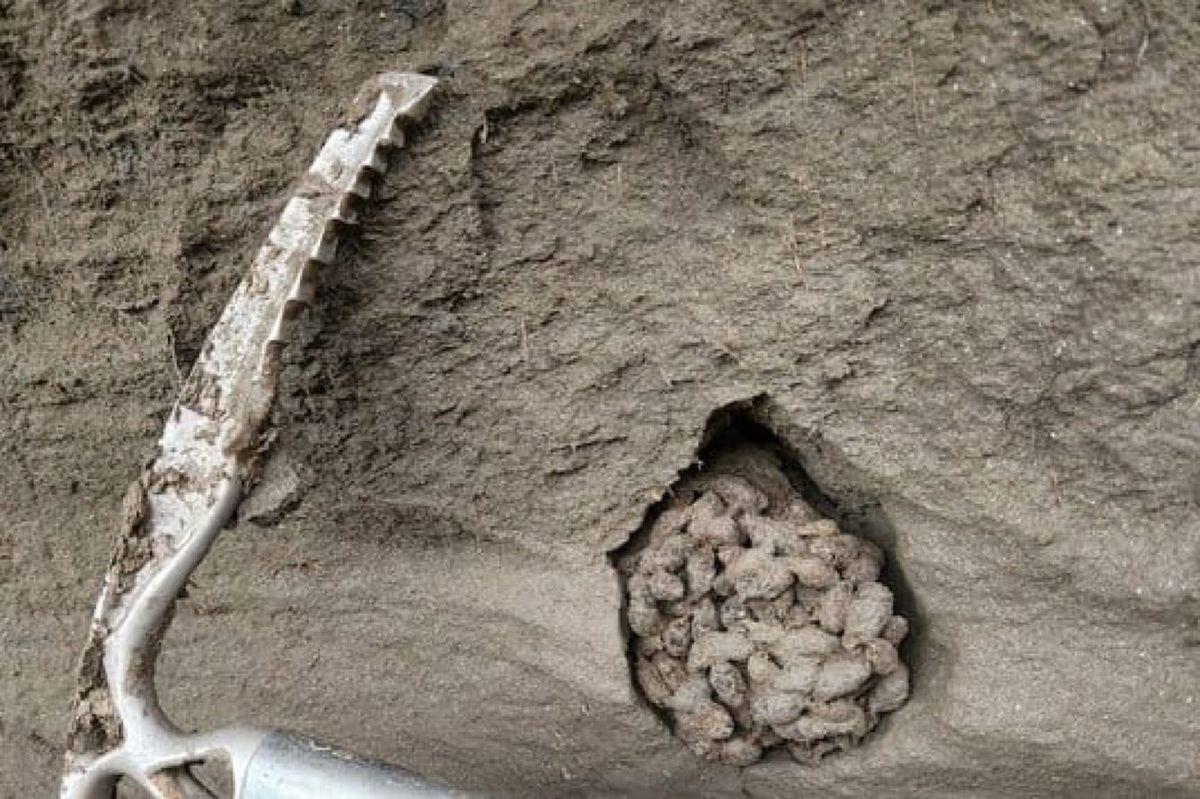
Located nearly 23,000 feet below the ocean’s surface, the site contains the remains of multiple whales dating back as far as 5.3 million years.
The discovery emerged from a series of deep-sea submersible expeditions conducted in 2023.
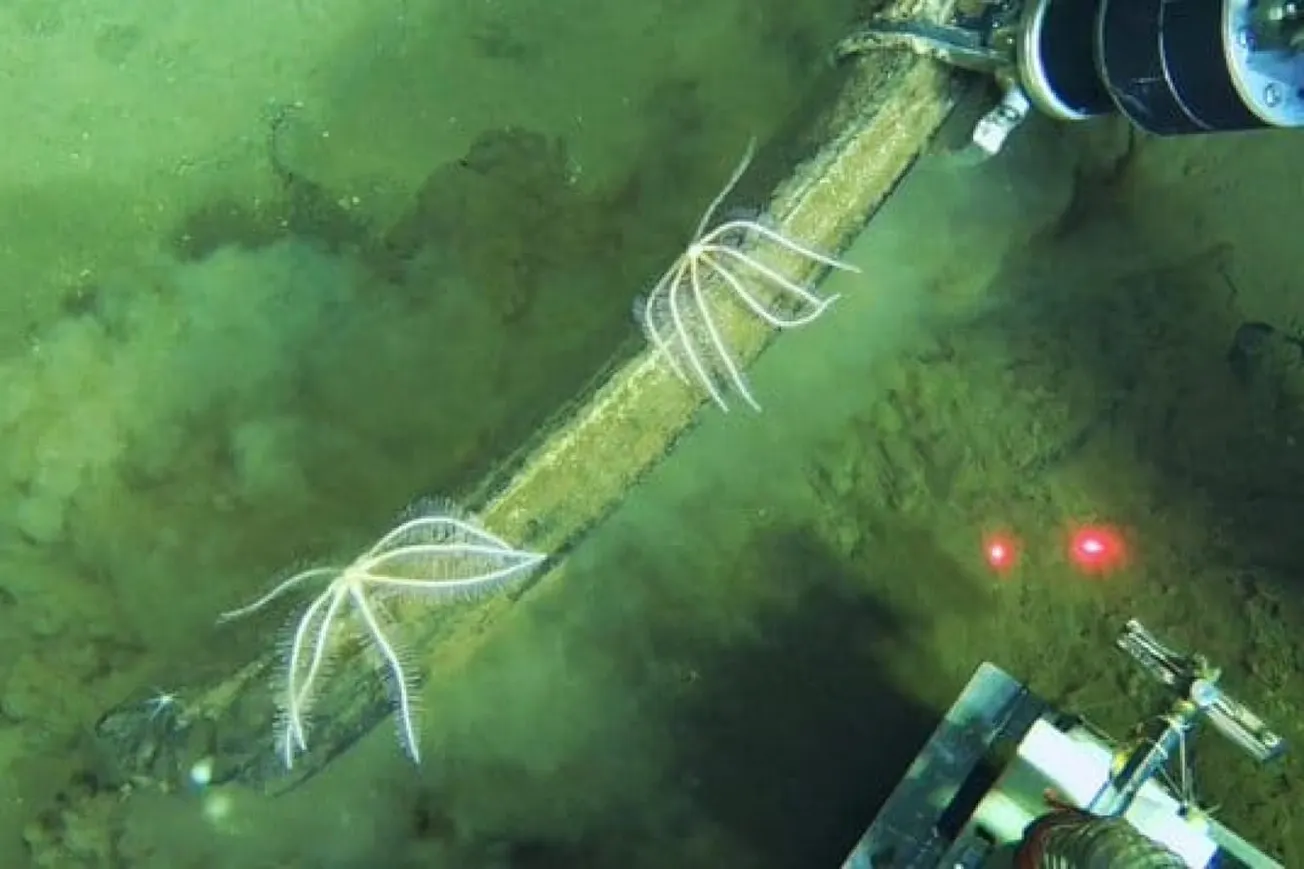
Scientists explored five separate carcass sites, collecting biological samples, mapping the area, and documenting an array of organisms thriving around the remains. Many of the species observed are believed to be previously undocumented.
The whale bones support complex ecosystems that include jellyfish, tubeworms, brittle stars, and other deep-sea organisms.
Beyond its scale, the site provides valuable insights into how organisms adapt to conditions of extreme darkness, immense pressure, and limited oxygen.
Scientists believe the discovery will help improve understanding of deep-ocean biodiversity and the evolutionary processes that allow life to flourish in some of the most inhospitable regions on the planet.
Related Tweet:
World's largest whale graveyard discovered by sub at bottom of ocean: "Completely unexpected" https://t.co/T368buxgNY
— CBS Mornings (@CBSMornings) June 10, 2026
Also Read:
 TIPP Staff