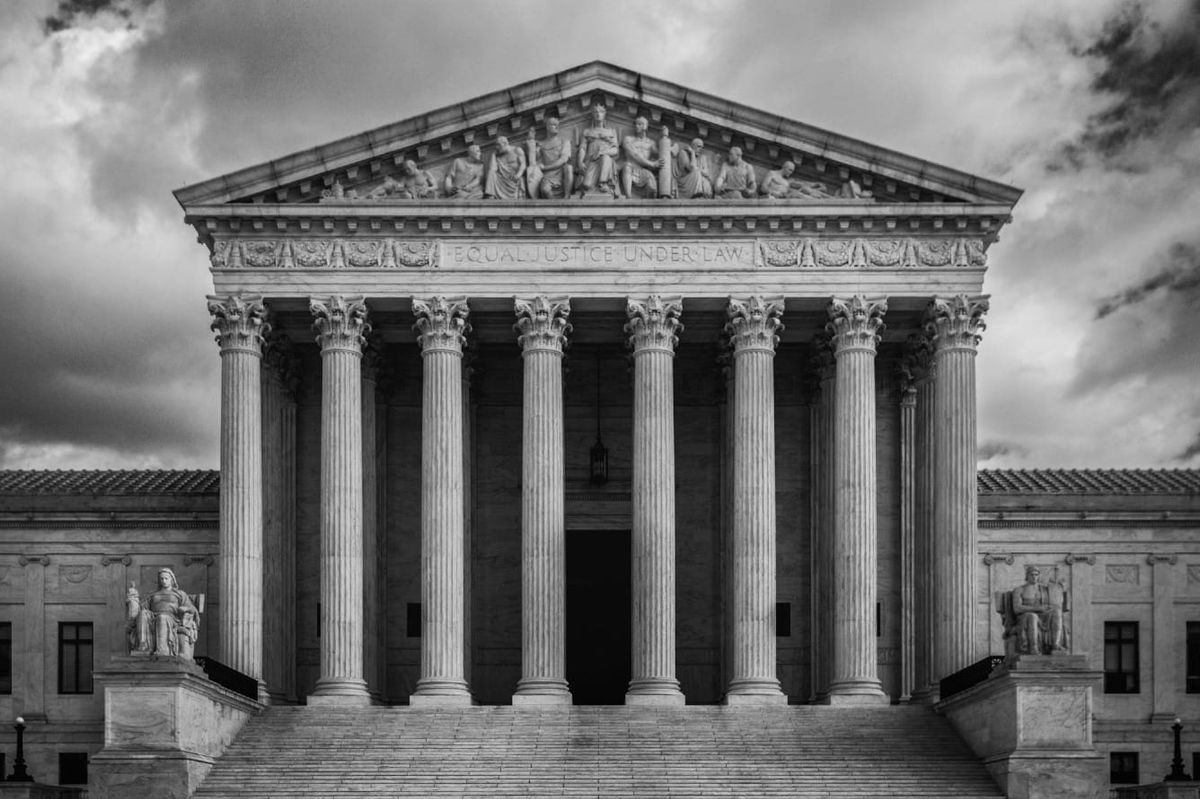
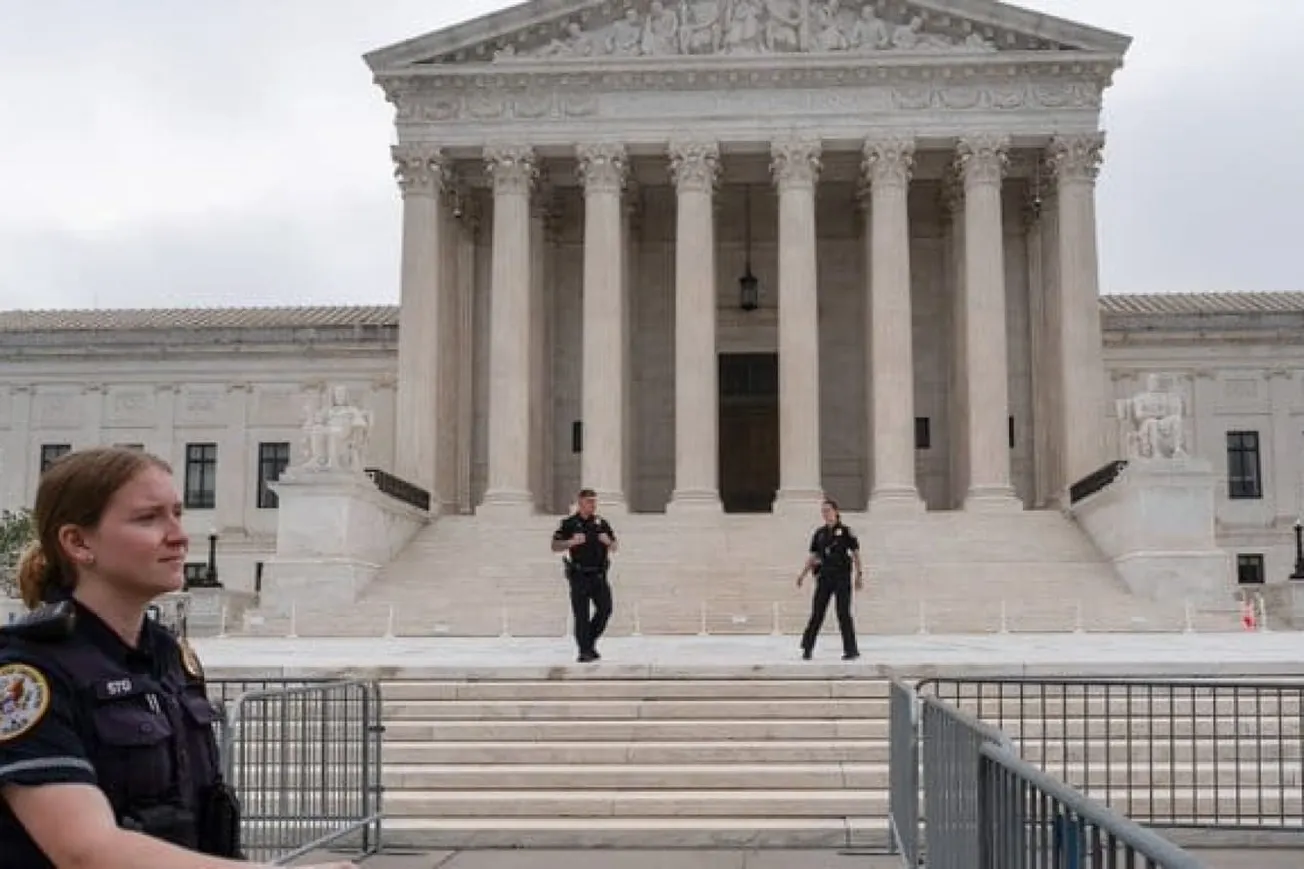
The U.S. Supreme Court ruled on Monday that law enforcement agencies must obtain a warrant before accessing broad cellphone location data through geofence searches, strengthening constitutional protections for digital privacy under the Fourth Amendment.
In a 6-3 decision, Justice Elena Kagan wrote for the majority that obtaining location information from geofence databases constitutes a search under the Constitution and therefore generally requires judicial authorization.
The case centered on Virginia resident Okello Chatrie, who challenged investigators' use of a geofence warrant issued to Google during a 2019 bank robbery investigation.
Police requested data identifying devices located within a 300-meter radius of the crime scene after other investigative leads failed.
Instead, the justices returned the case to lower courts to evaluate whether the search complied with Fourth Amendment requirements, leaving further legal questions to be resolved.
Related Tweet:
The Supreme Court has limited law enforcement's use of sprawling "geofence warrants" that track a suspect using cellphone location data from a broad swath of users, including people with no connection to a crime. https://t.co/vVIIdk13MQ
— ABC News (@ABC) June 29, 2026
Also Read:
 TIPP Staff