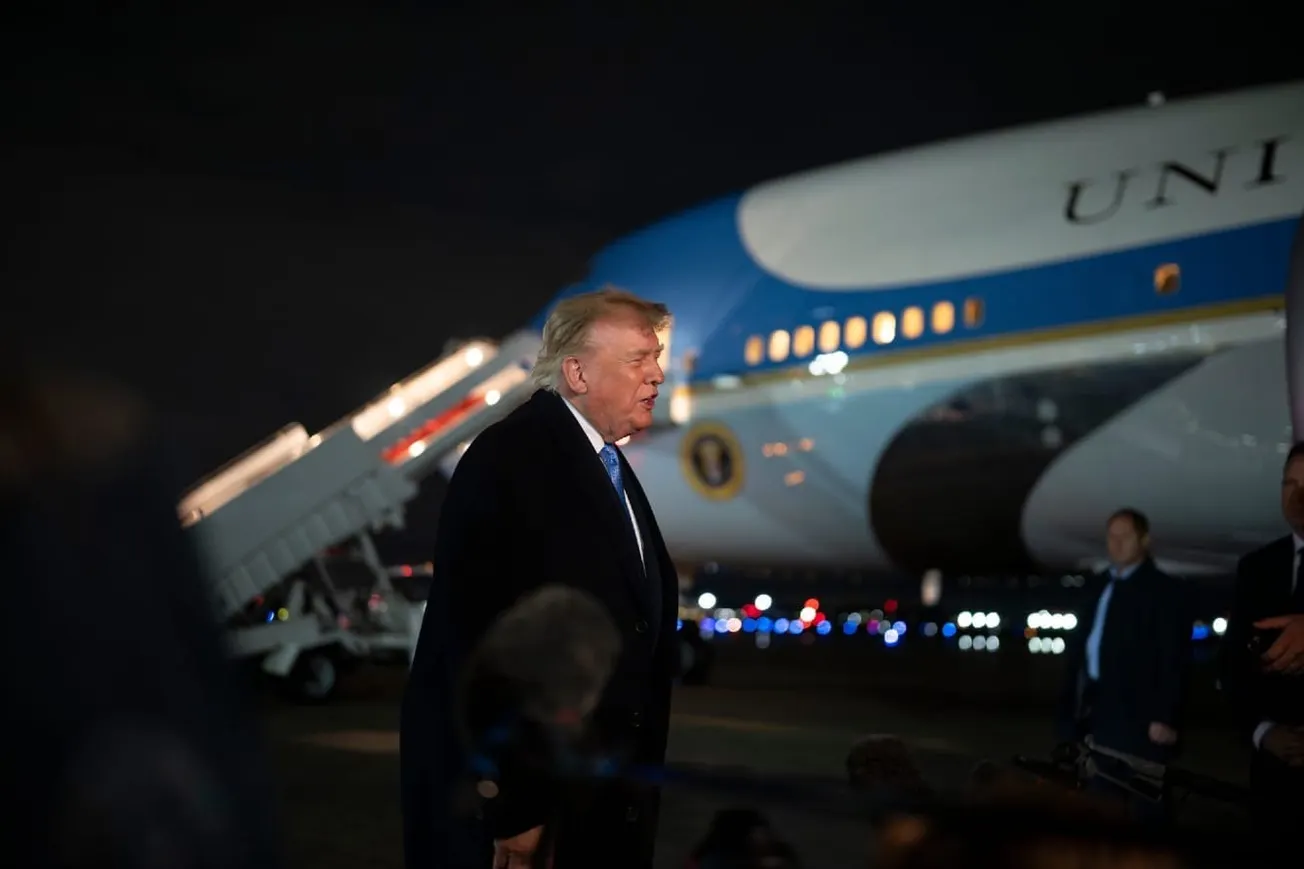
On the eve of America's 250th birthday, President Trump stood beneath the imposing granite faces of Mount Rushmore and warned that communism is a mortal threat to American liberty. He was right. His warning deserves to be taken with the gravity he intended. The danger is quieter than open conquest and closer to home, and that makes it more serious.
Socialism has failed wherever it has been tried. In no country and in no century has it delivered the prosperity it promises, and it will not do so here. Americans are not about to vote themselves into the breadlines their grandparents fled. On its own, the socialist left cannot win a national majority. It prevails in the bluest districts, usually against other Democrats, and almost nowhere else. Its electoral strength has a ceiling. But a ceiling on its votes is not a ceiling on the damage it can inflict, because winning the country outright was never the plan.
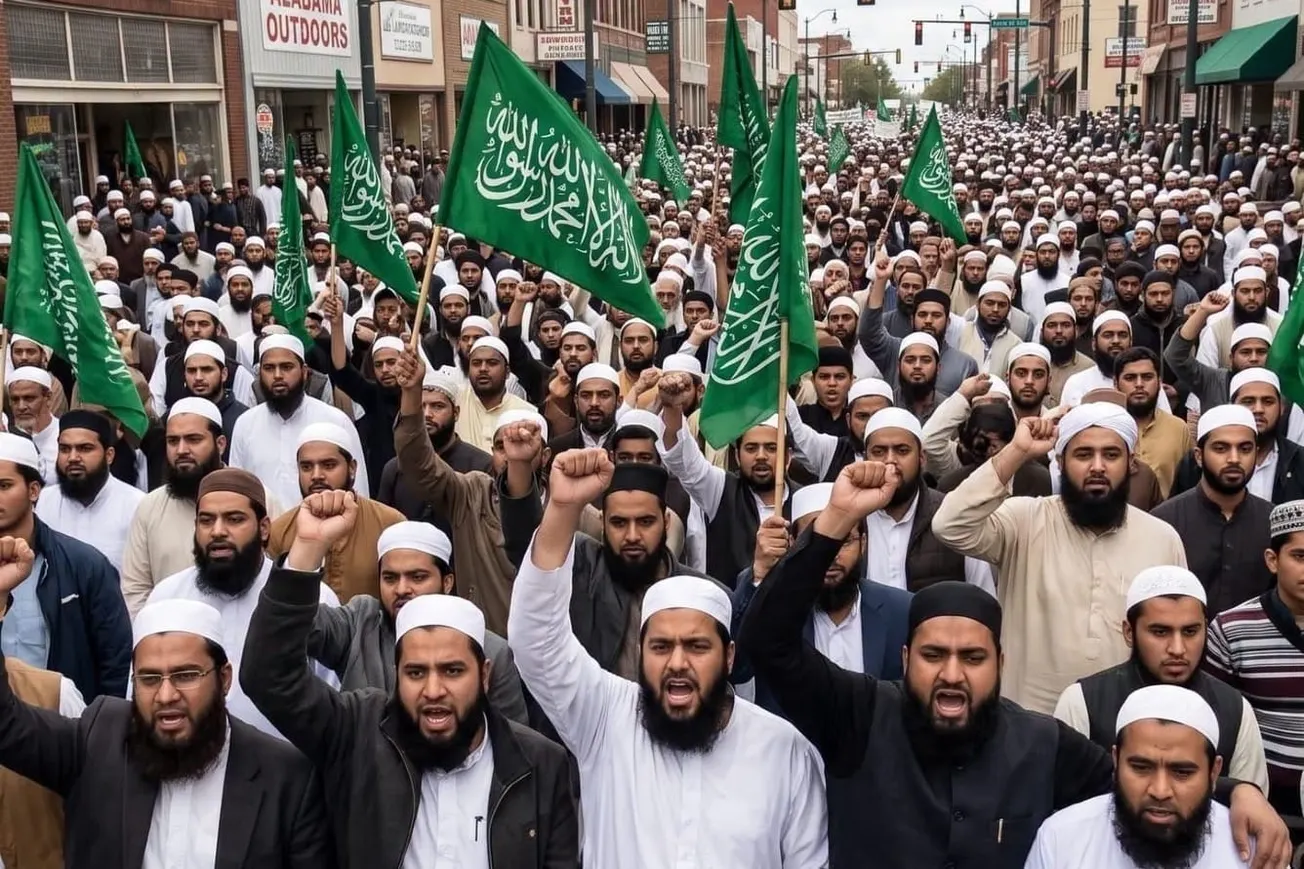
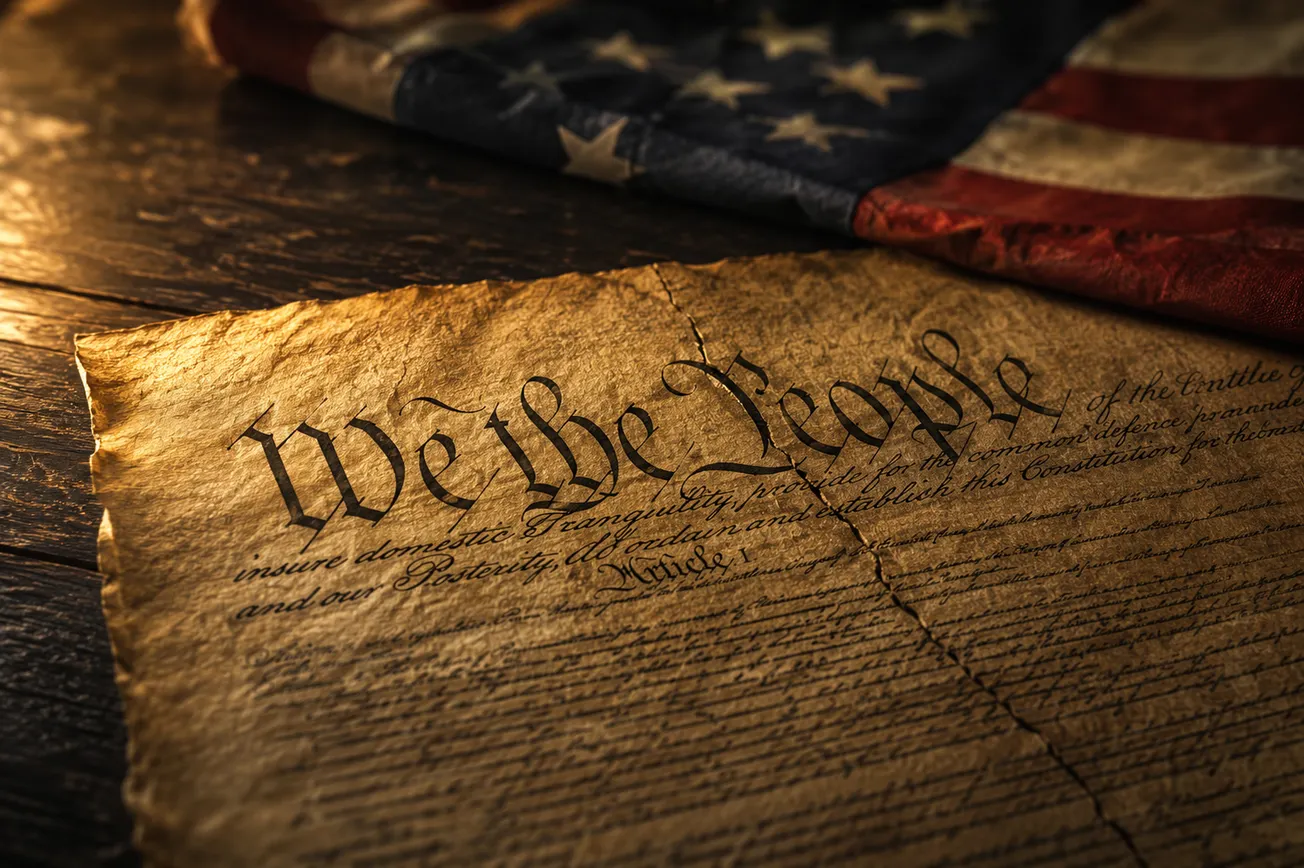
The Democratic Socialists of America, or DSA, is the organized left wing now surging within the Democratic Party. Its ambitions extend far beyond higher taxes on the rich or a larger welfare state, the usual fare of election campaigns. In June, the group's national leadership adopted a platform bearing the innocuous title Workers Deserve More. As City Journal's Stu Smith first reported, and as other outlets have since confirmed, it is anything but innocuous. It calls for abolishing the United States Senate, subordinating the courts and the presidency to Congress, dismantling the state's enforcement powers, and, in plain terms, replacing the Constitution with a new one. Set beside that agenda, a dispute over tax rates is little more than a family argument. President Trump was pointing to the larger danger when he called it a mortal threat.
A national I&I/TIPP poll in May found that 46 percent of Democrats hold a favorable view of socialism, compared with 32 percent who do not. Democrats were the only group in the country to prefer socialism to capitalism. Surveys from Marquette, Gallup, and the New York Times found the same pattern, differing only in degree. In late June, the primaries followed. Three DSA-backed candidates won Democratic primaries, which would more than double the group's House bloc, from two seats to five. The movement's most visible figure, Zohran Mamdani, is now mayor of New York, the nation's largest city. The poll and the primaries point in the same direction: the party's center of gravity has shifted.
Two days after those primaries, the party's moderates unveiled a pledge called Promise to America, opening with a line meant to draw a clear distinction: "We are capitalist, not socialist." The pledge attracted just 15 signatures, including 10 from sitting House members, out of roughly 213 Democrats in the chamber, or about 5 percent. Even the resistance was tentative. As a writer at the left-leaning Daily Kos observed, nearly all the signers had already secured their nominations or were not on the ballot at all, so the stand carried little political risk. Party leaders, asked about the surging left, mostly changed the subject. The tally, then, is striking: 46 percent of the Democratic base is favorable to socialism, and only five percent of the House Democratic caucus is willing to reject it publicly.
Unable to win at the ballot box, the movement instead threatens the Democratic Party's national electability. Even a centrist Democrat concedes the point. Jim Kessler of Third Way acknowledges that the socialist bloc remains a small fraction of the party, but warns that if it continues to grow, it could render Democrats unelectable nationally. That is the mortal danger, and it deserves to be stated plainly. A republic can survive a radical faction shouting from the sidelines. It has done so before. A healthy republic depends on two strong parties, each keeping the other honest. President Trump identified a real danger: one of the two parties on which the republic depends is being hollowed out from within while its own leaders hold the door open.
This could happen only because the case for America stopped being made. When people no longer learn why the country's founding mattered, or stop defending it, an ideology that rejects that founding meets little resistance. We grew comfortable and let the argument fade. That neglect, more than any party platform, is what left us exposed.
From Mount Rushmore, the President asked what it means to be an American. It is a pertinent question, and it is true that many of us have forgotten the answer. It took a socialist movement that rejects America's founding principles to make the rest of us remember it. At 250 years, that is almost a gift. The challenge forces us to think again about what we inherited and why it is worth preserving. The President's warning is already part of that renewal.
The enemies of a republic have never been its greatest danger. That has always been the heir who forgets what he was handed, and forgets why it was worth keeping.
May God bless America!
Loved it, hated it, or somewhere in between — tell us. Grade this article here and help shape what lands in your inbox next.
Letters to the editor email: editor-tippinsights@technometrica.com
Subscribe Today And Make A Difference. Consider supporting Independent Journalism by upgrading to a paid subscription or making a donation. Your support helps tippinsights thrive as a reader-supported publication. Contact us to discuss your research or polling needs.
Reach our audience. For sponsorship and advertising opportunities, visit our Partner With Us page.