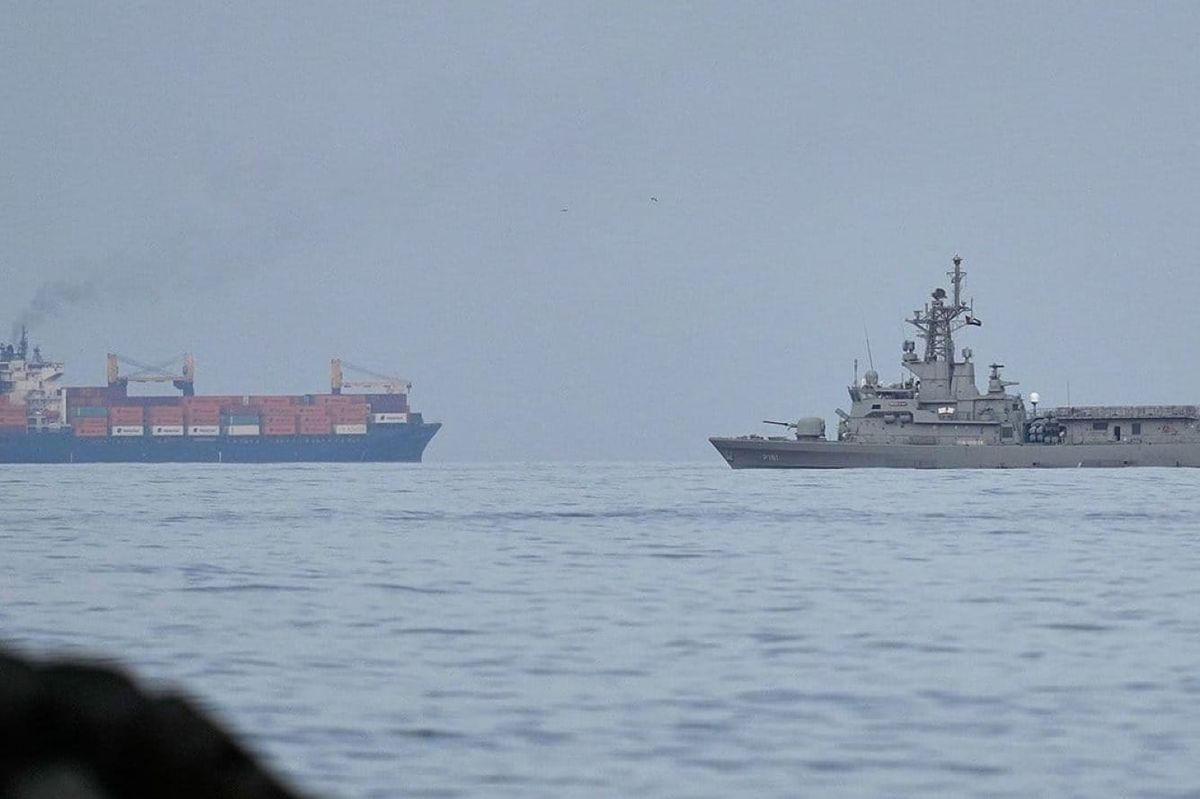
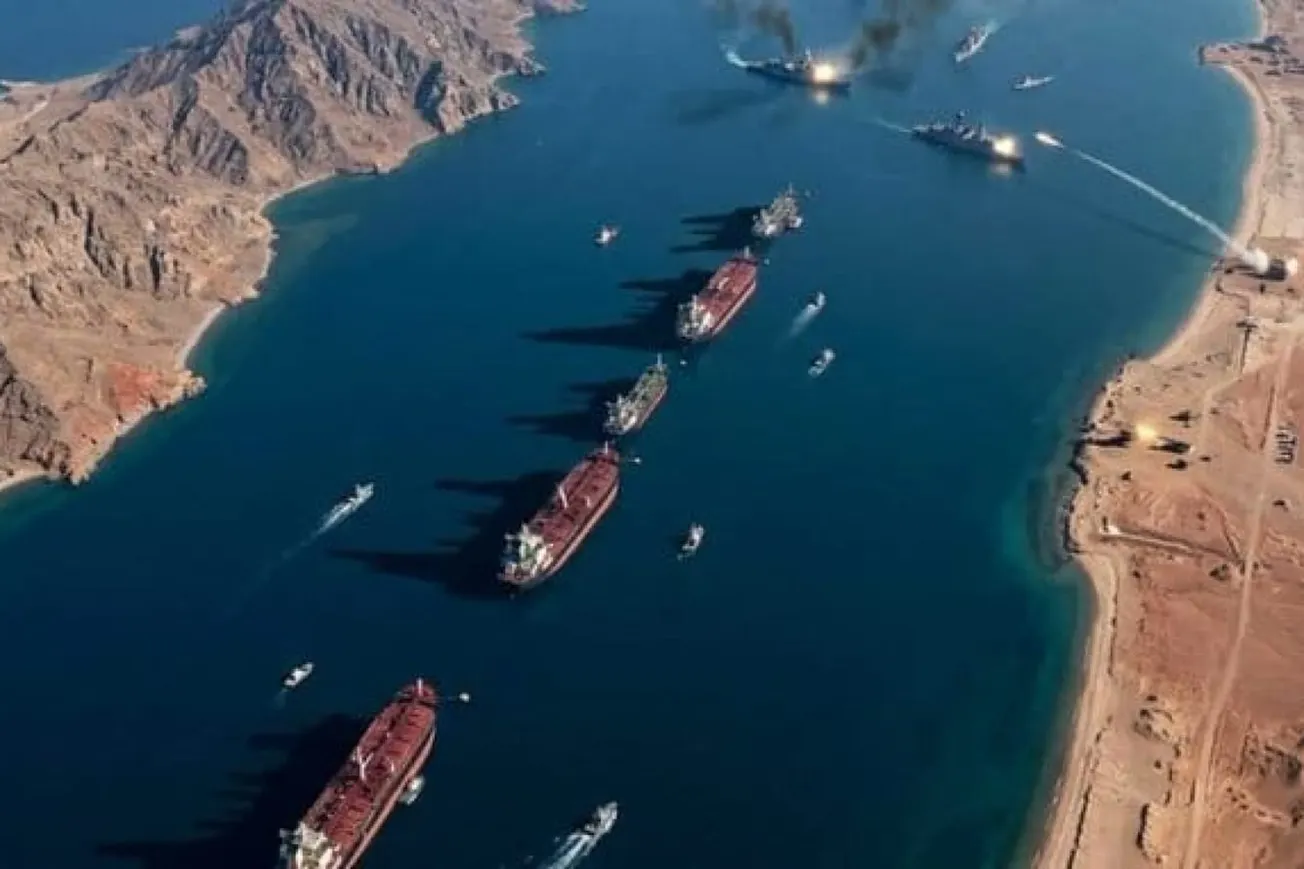
Commercial shipping activity through the Strait of Hormuz has begun to recover after the United States eased maritime restrictions under a newly announced framework agreement with Iran, according to comments from Vice President JD Vance.
U.S. officials said the move is part of broader efforts to reduce tensions and implement the initial provisions of a memorandum of understanding designed to halt hostilities and create conditions for a more comprehensive diplomatic settlement.
The agreement includes measures aimed at restoring commercial traffic through one of the world's most important energy corridors.
Tankers carrying Iranian crude reportedly transited the area without interference as shipping companies cautiously resumed operations. However, portions of the waterway remain subject to navigational limitations as mine-clearing and security operations continue.
The agreement establishes a 60-day negotiation period during which the United States and Iran will work toward a final accord addressing nuclear issues, sanctions, and regional security concerns.
Energy markets and international shipping companies are closely monitoring developments because the Strait of Hormuz serves as a critical route for global oil and natural gas supplies.
Any sustained reopening of the corridor could help stabilize energy markets and reduce concerns about supply disruptions that have affected global prices in recent months.
While the initial measures have been welcomed by some observers as a sign of de-escalation, significant challenges remain.
Many aspects of the agreement still require negotiation, verification, and implementation, making the coming weeks a crucial period for determining whether the framework can evolve into a durable and comprehensive settlement.
Related Tweet:
U.S. Navy ends blockade of Iran's ports and coastal areas, CENTCOM says https://t.co/KVHsfJjkts
— CNBC (@CNBC) June 18, 2026
Also Read:
 TIPP Staff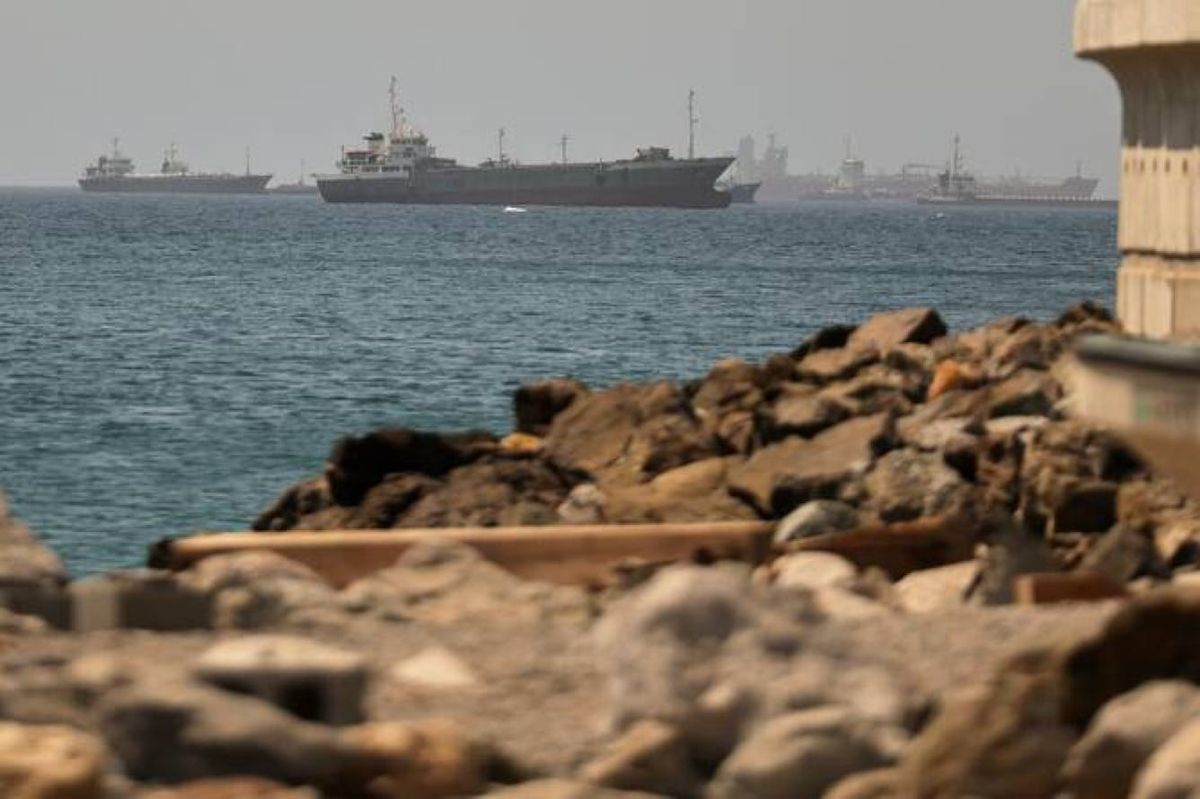
 TIPP Staff