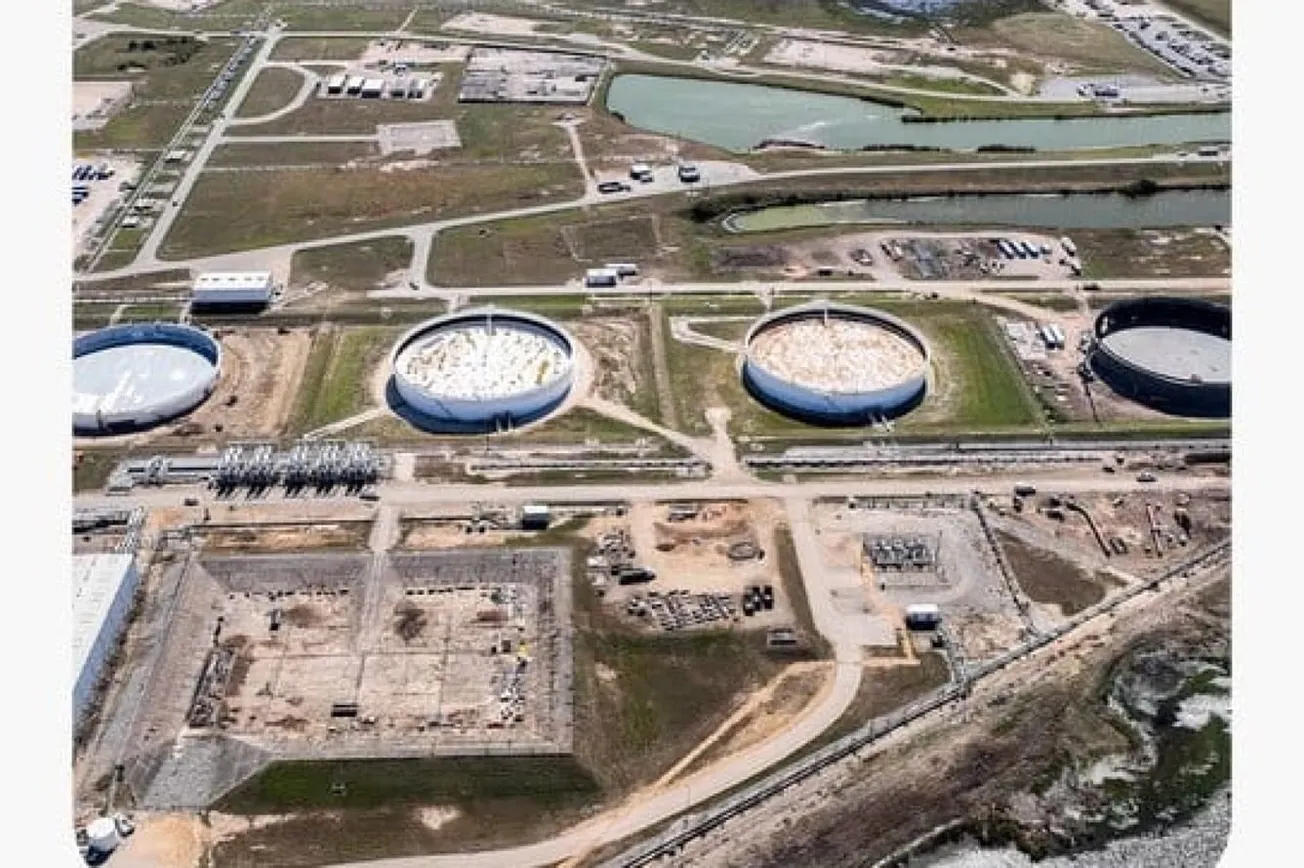
The United States Strategic Petroleum Reserve has fallen to its lowest level in more than four decades, highlighting growing concerns about the nation's emergency energy buffer amid ongoing volatility in global oil markets.
According to newly released Department of Energy data, the reserve stood at approximately 340.3 million barrels for the week ending June 12.
The decline follows a series of large-scale releases intended to stabilize energy markets and offset supply disruptions linked to geopolitical tensions.
Recent drawdowns have been aimed at easing pressure on global oil supplies and limiting the impact of sharp price increases on consumers and businesses.
Analysts note that the Strategic Petroleum Reserve was created to provide the United States with a critical source of emergency oil during severe supply disruptions, natural disasters, or international crises.
While government officials argue that the reserve remains a valuable tool for managing market disruptions, critics contend that continued withdrawals could reduce flexibility during future crises.
The debate is likely to intensify as policymakers weigh the competing priorities of maintaining energy security, stabilizing fuel prices, and rebuilding reserve levels in the years ahead.
Related Tweet:
America's emergency oil stockpile tumbles to its lowest level since the Reagan administration. https://t.co/NUldprjjZQ pic.twitter.com/KciN3yy8wF
— CNN (@CNN) June 15, 2026
Also Read:
 Power & Capital Desk