Researchers have successfully read the contents of a sealed Herculaneum scroll for the first time using artificial intelligence and advanced imaging technology, marking a major breakthrough in the study of ancient manuscripts.
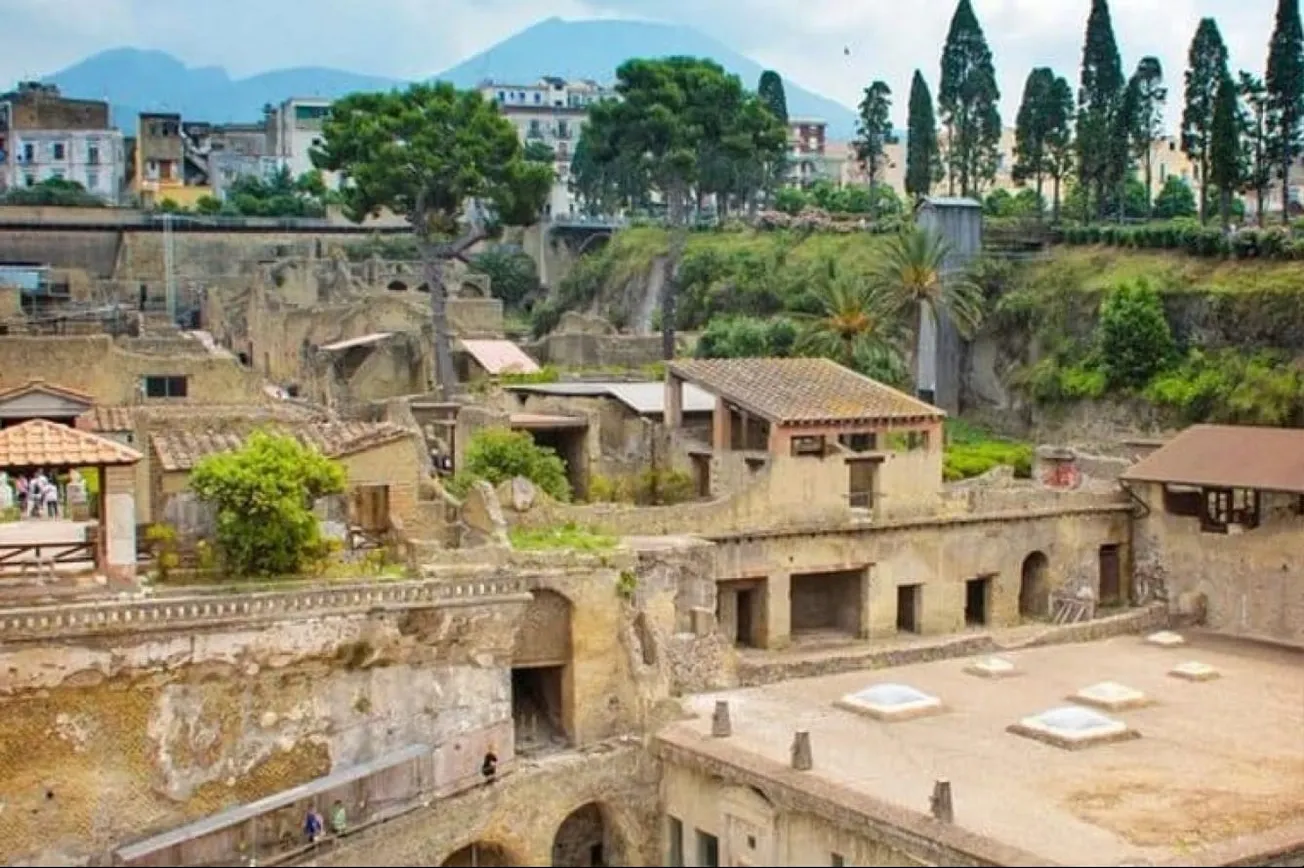
The scroll was carbonized during the eruption of Mount Vesuvius nearly 2,000 years ago, leaving it too fragile to be physically unrolled.
The technique produced approximately 140 columns of text, including 70 columns from On Vices, Book 1, a philosophical work attributed to the Epicurean thinker Philodemus.
The achievement is part of the Vesuvius Challenge, an international effort to decode the unopened scrolls discovered in the ancient Roman town of Herculaneum.
Researchers say the breakthrough could revolutionize the study of ancient literature by recovering texts thought to be lost forever. A $1 million prize remains on offer for the first team to fully decipher another unopened scroll using the same non-invasive technology.
Related Tweet:
AI Deciphers 2,000-Year-Old Herculaneum Papyrus Scroll Burnt In Vesuvius Eruption Without Unrolling It#AI #ArtificialIntelligence #Archaeology #Herculaneum #Vesuvius #AncientHistory #MachineLearning #RomanHistory #Science #Technology @_deeksha_pandey https://t.co/PTMzJ8hQFE
— Free Press Journal (@fpjindia) June 25, 2026
Also Read:
 TIPP Staff