

Trump Issues Fresh Warning To Iran As Oil Prices Rise
Trump said the targets could include infrastructure in Tehran
Trump said the targets could include infrastructure in Tehran
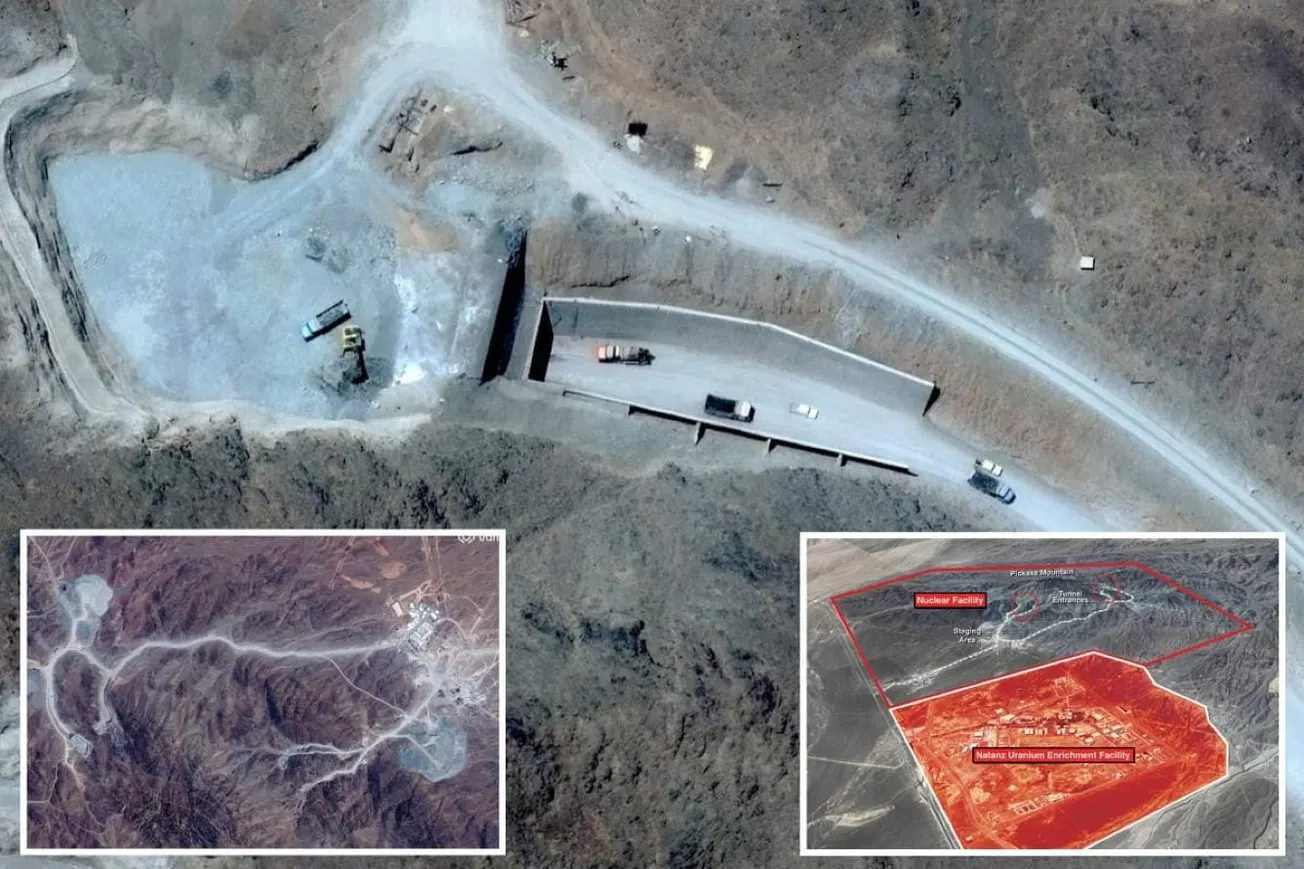
Pickaxe mountain is adjacent to a key Iranian nuclear facility.
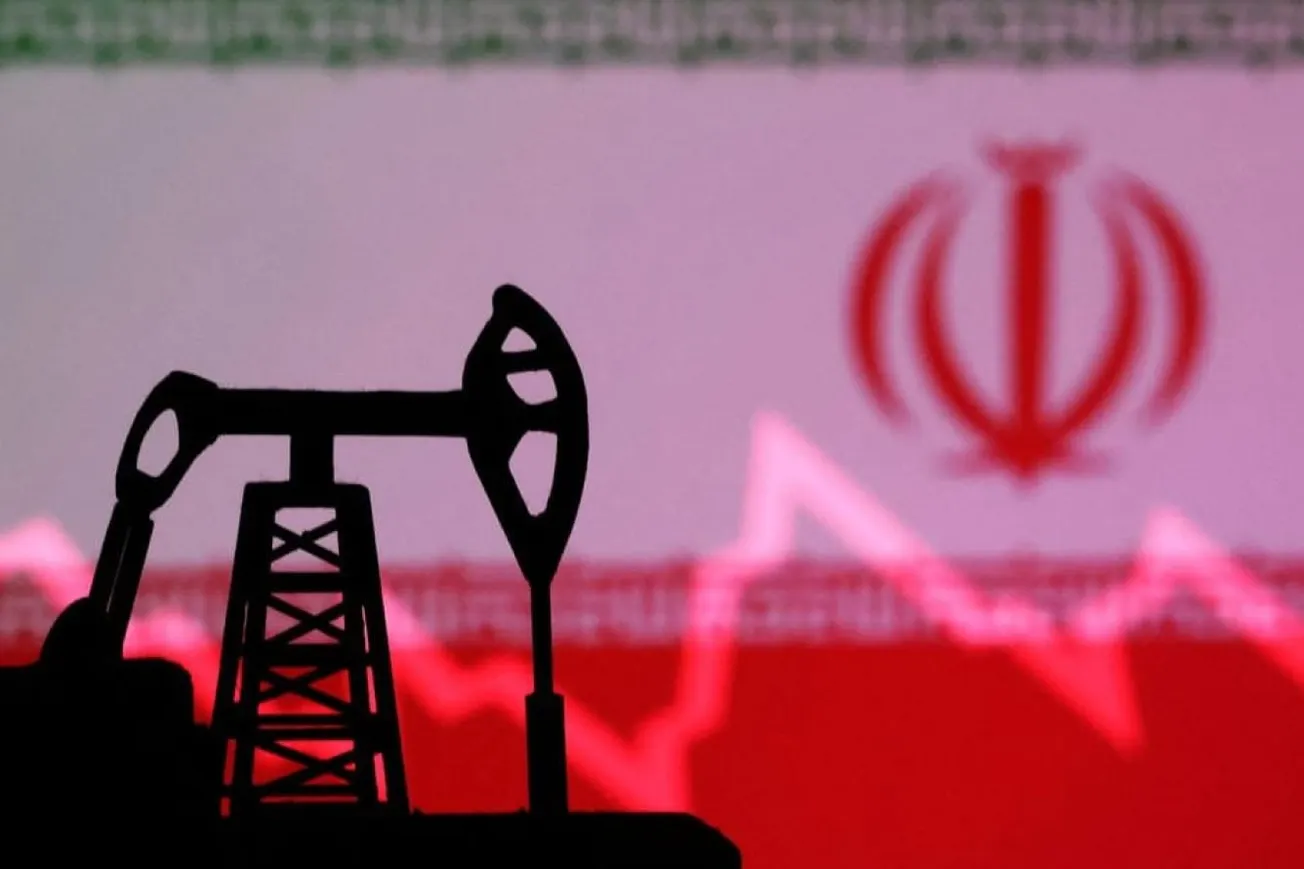
President Donald Trump said the United States was "not finished" with military operations against Iran
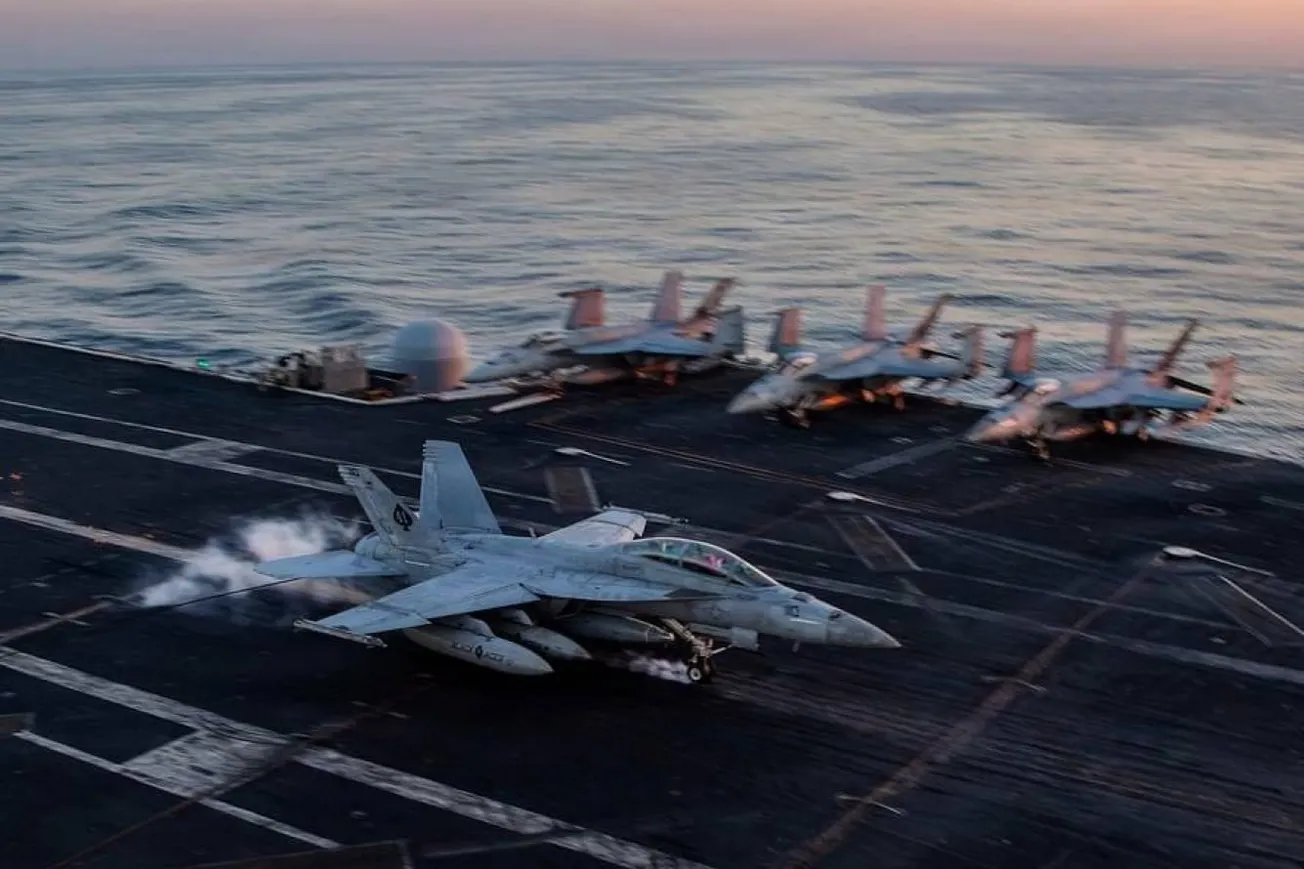
The conflict between Iran and U.S.-Israel combine continues despite diplomatic talks.
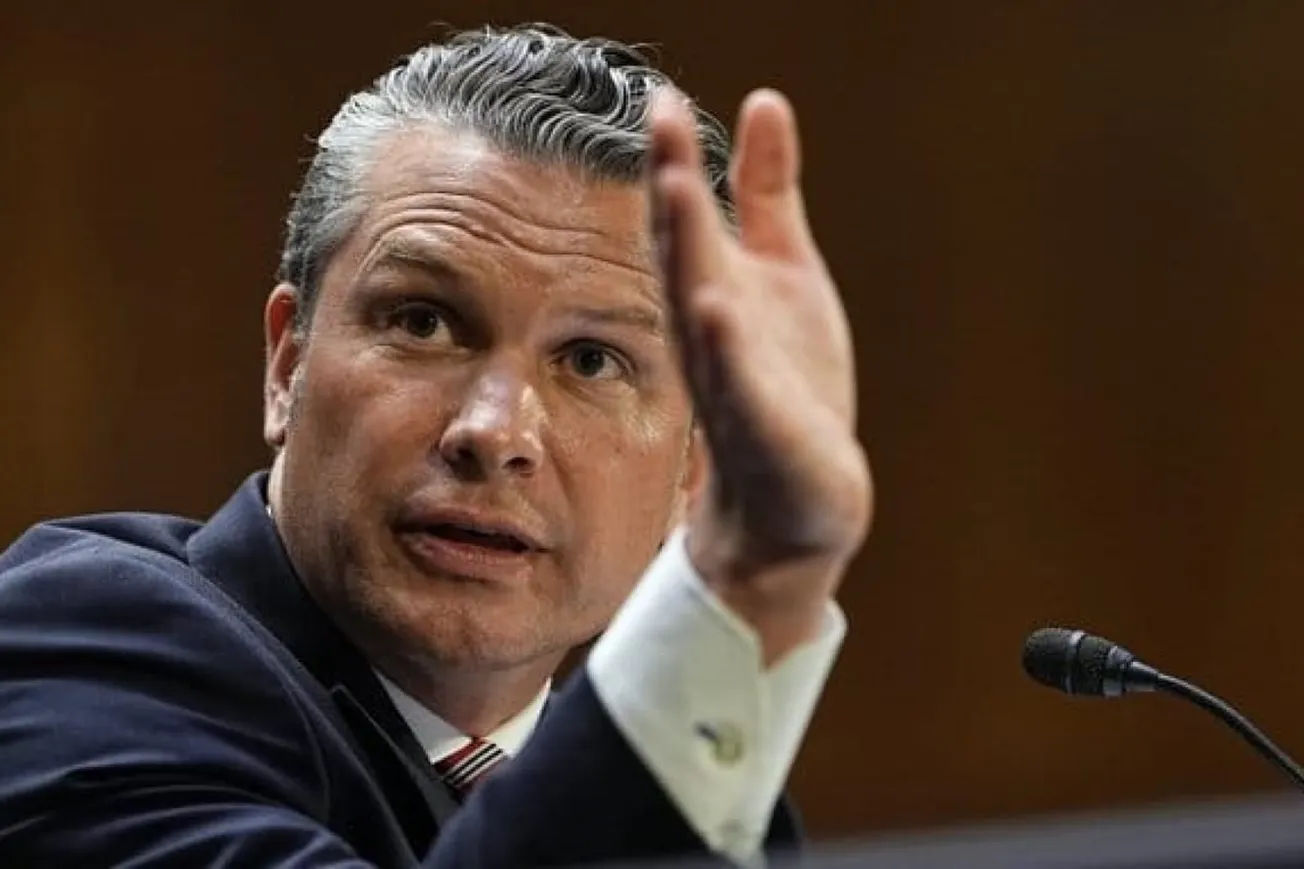
Hegseth defended a $95 billion Republican budget package, arguing that the funding is necessary to support national priorities as lawmakers debate spending ahead of the midterm elections.
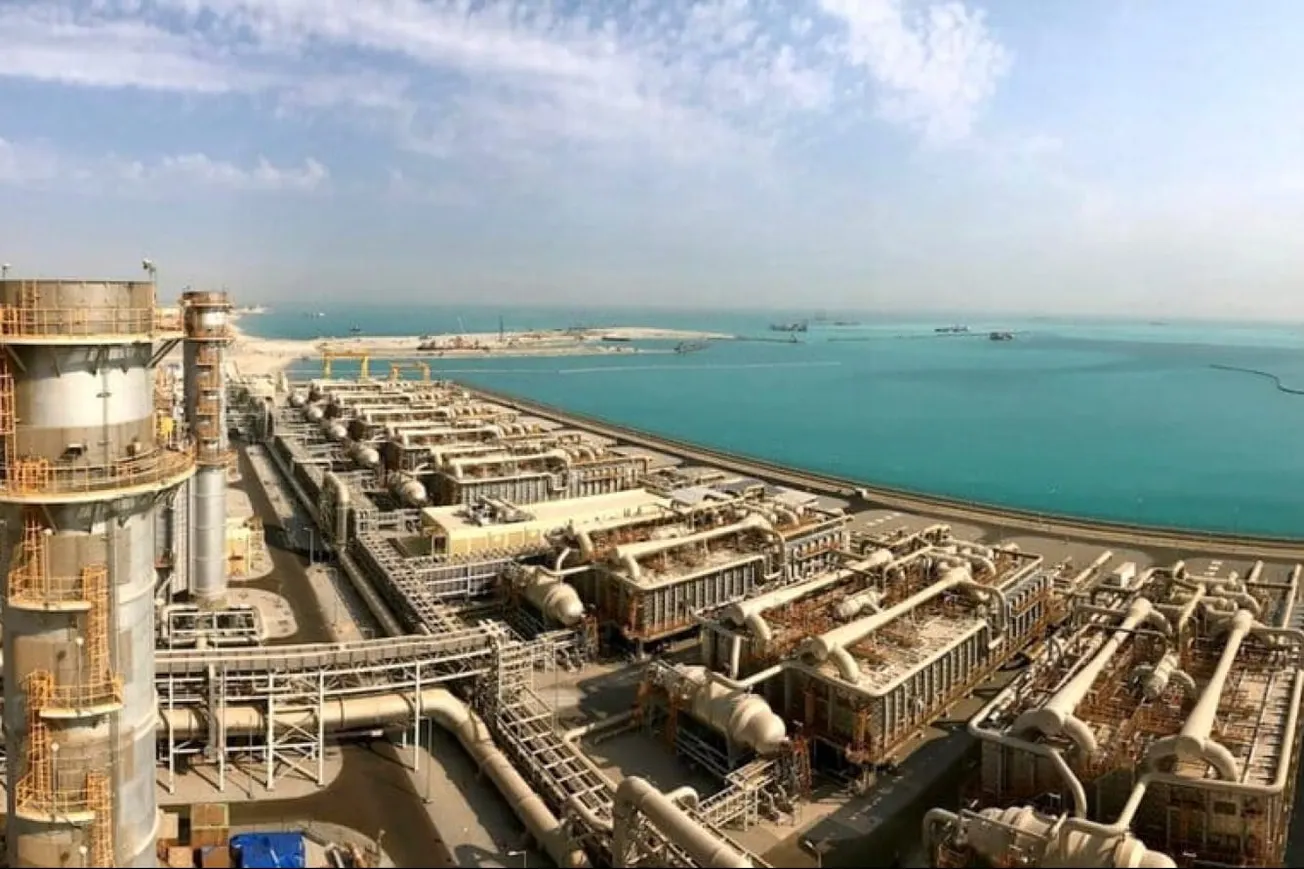
Monday's attacks sparked fires at multiple facilities during the fourth consecutive day of Iranian strikes
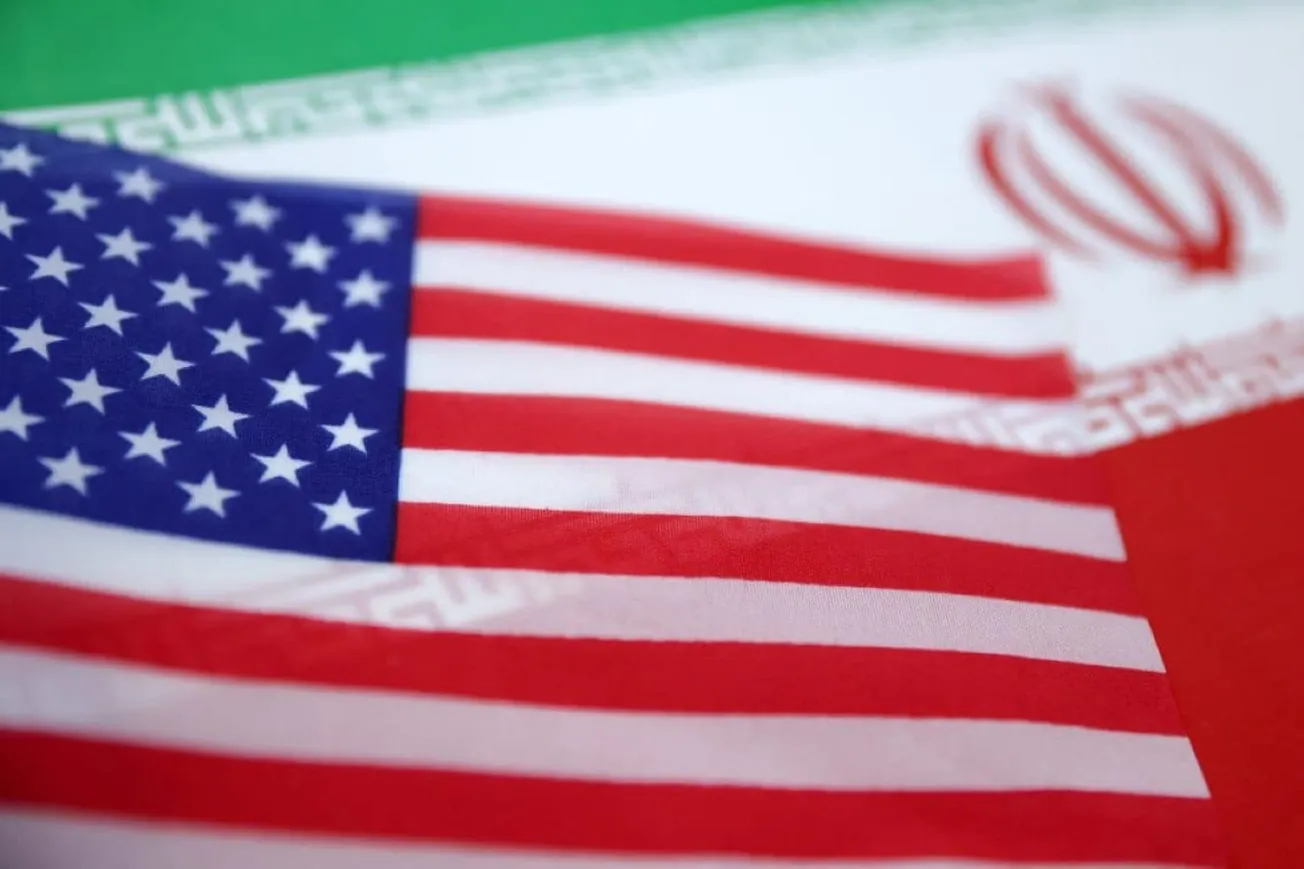
The strikes targeted Iranian military facilities, missile and drone launch sites, air defenses and maritime assets to reduce Tehran's ability to attack commercial shipping in the Strait of Hormuz
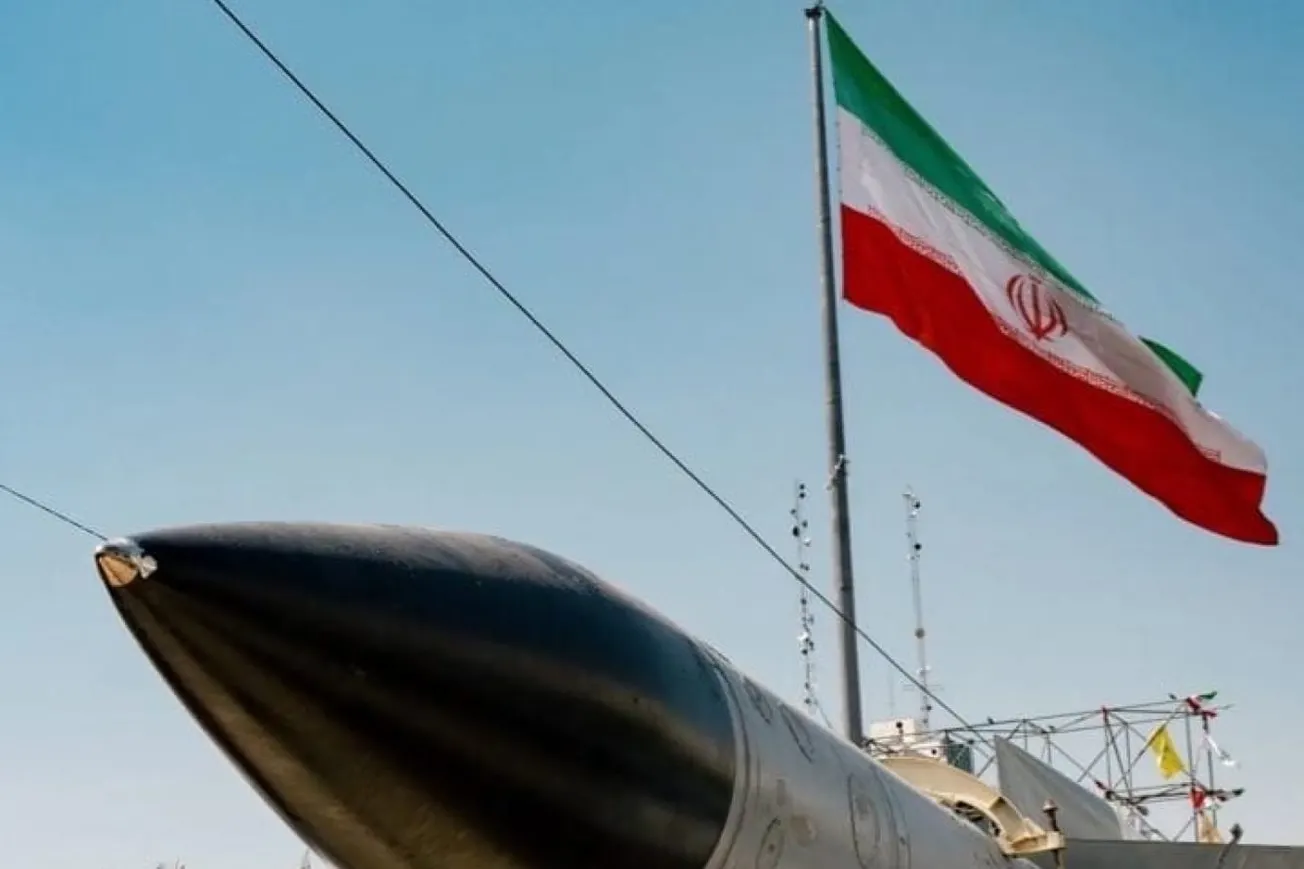
The reported strike comes as military exchanges between the United States and Iran continue after President Donald Trump declared the ceasefire with Tehran over.
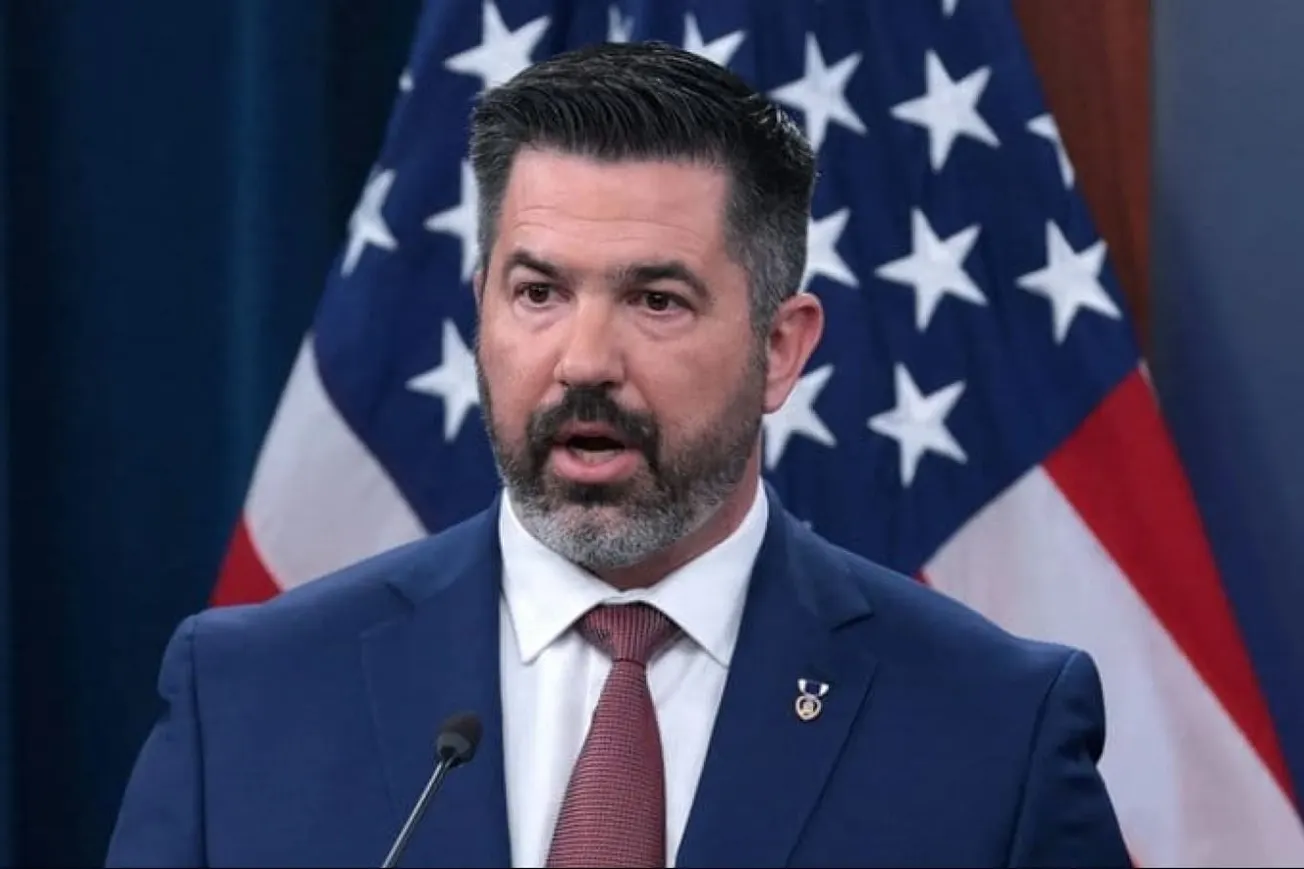
The Pentagon added that updated casualty information will continue to be published through the Defense Casualty Analysis System.
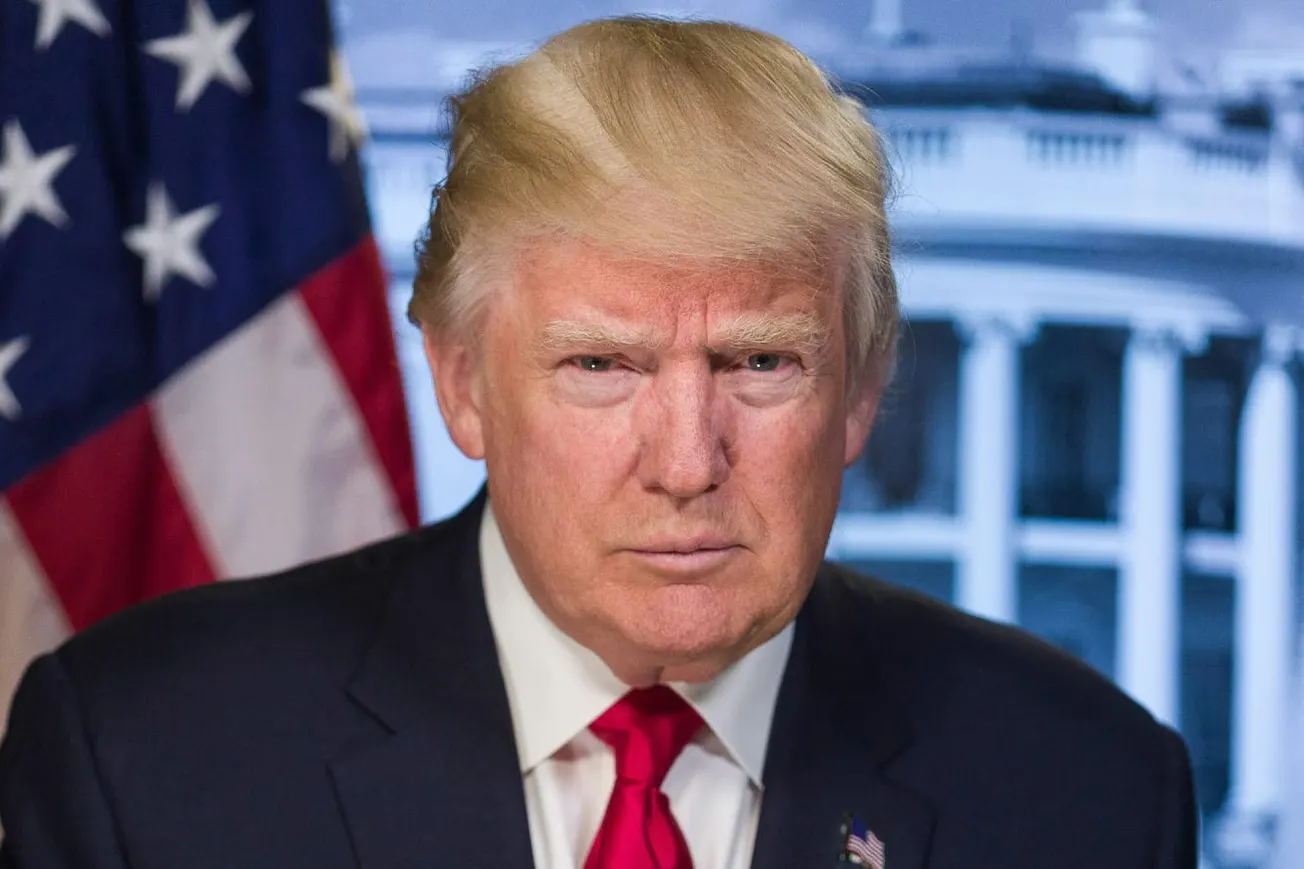
The U.S. Forces will end Iran's hopes of building a nuclear missile, Trump said.
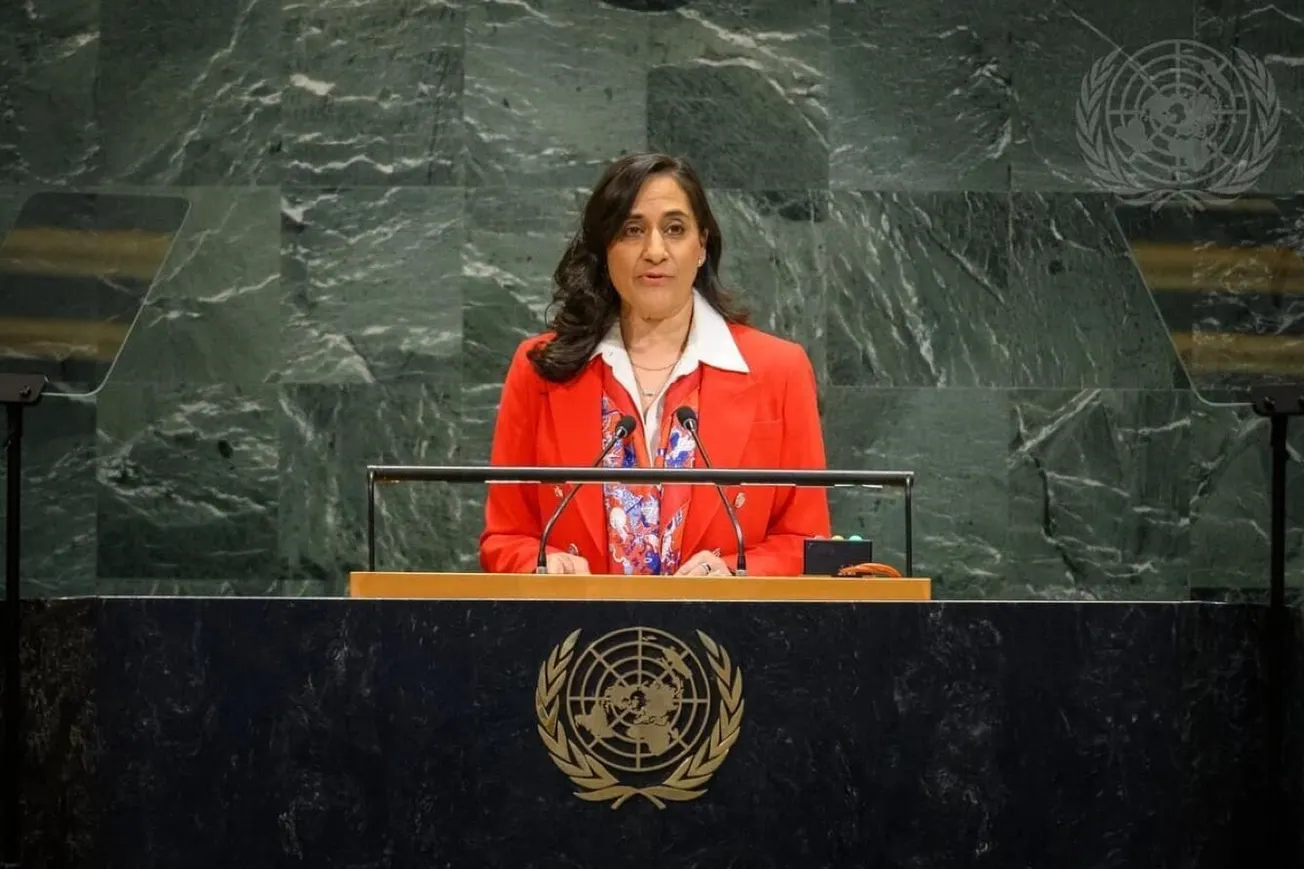
Canadian Foreign Minister Anita Anand expressed concern over attacks on civilian infrastructure
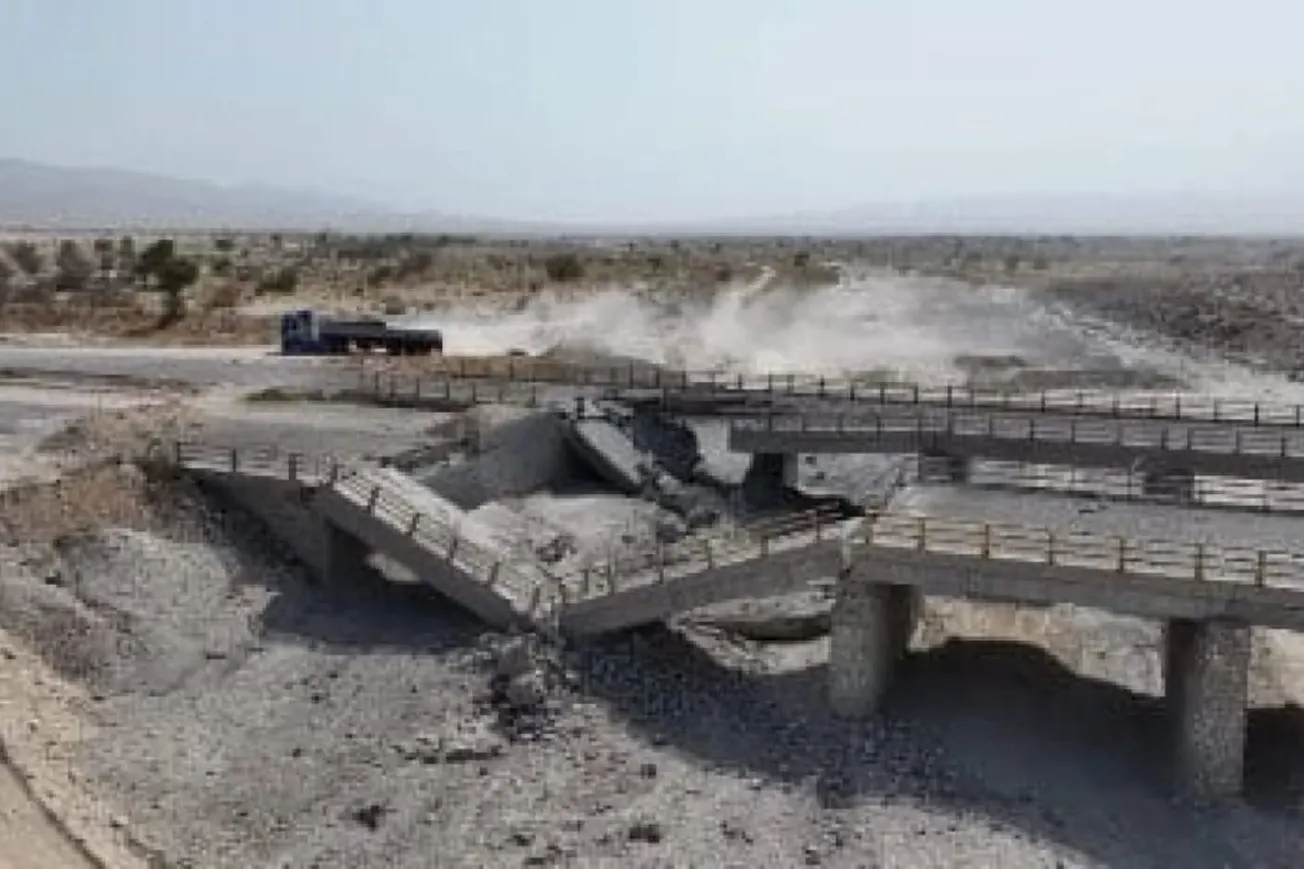
Israeli officials said Israel was preparing to receive more U.S. refueling aircraft after the recent escalation
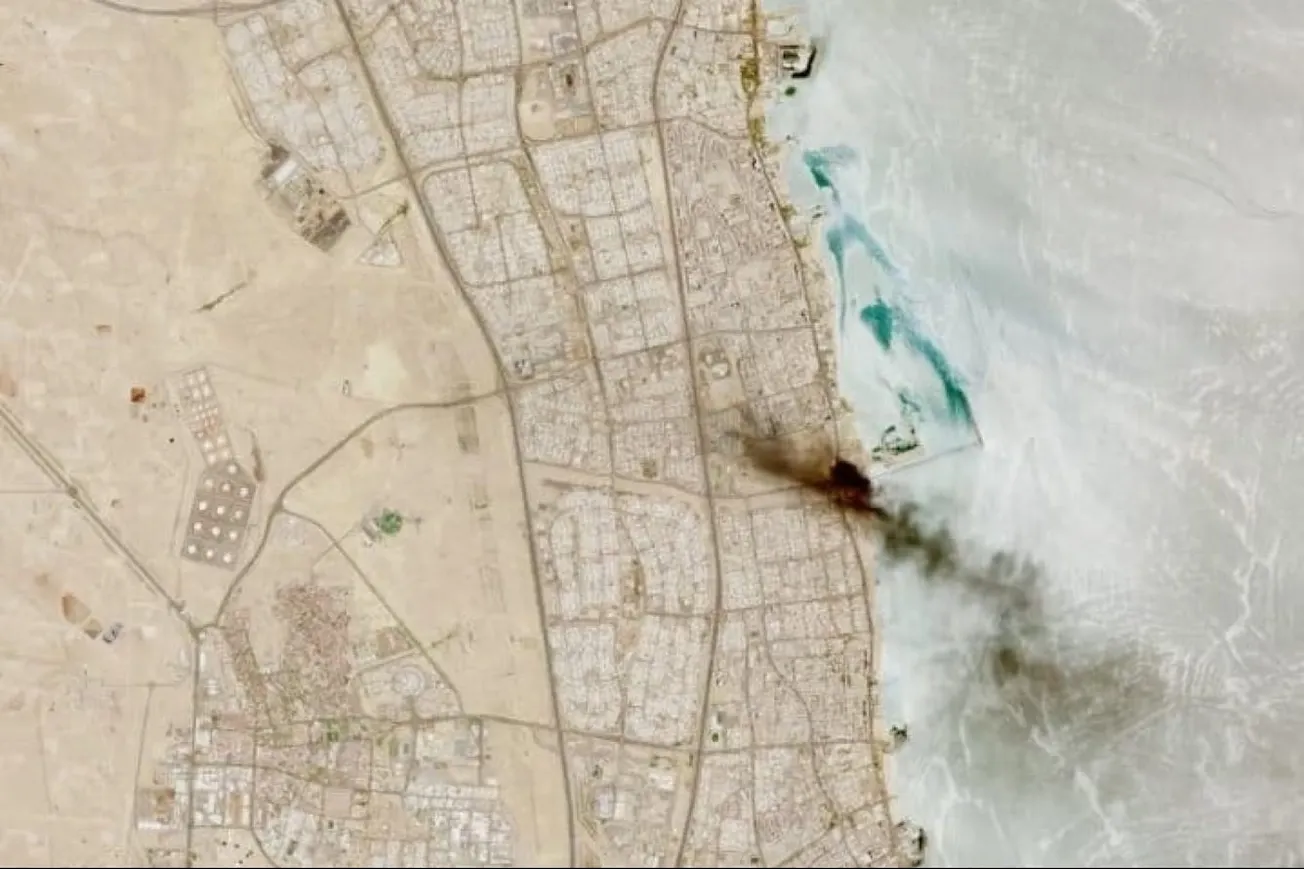
The U.S. and Iran have intensified attacks since an interim ceasefire deal signed a month ago fell apart last week, raising the possibility of a return to all-out war.

The benchmark 10-year Treasury yield rose to 4.558%, while the 30-year bond yield also edged higher
Brent crude oil climbed above $90 a barrel for the first time since early June, while West Texas Intermediate also posted sharp gains
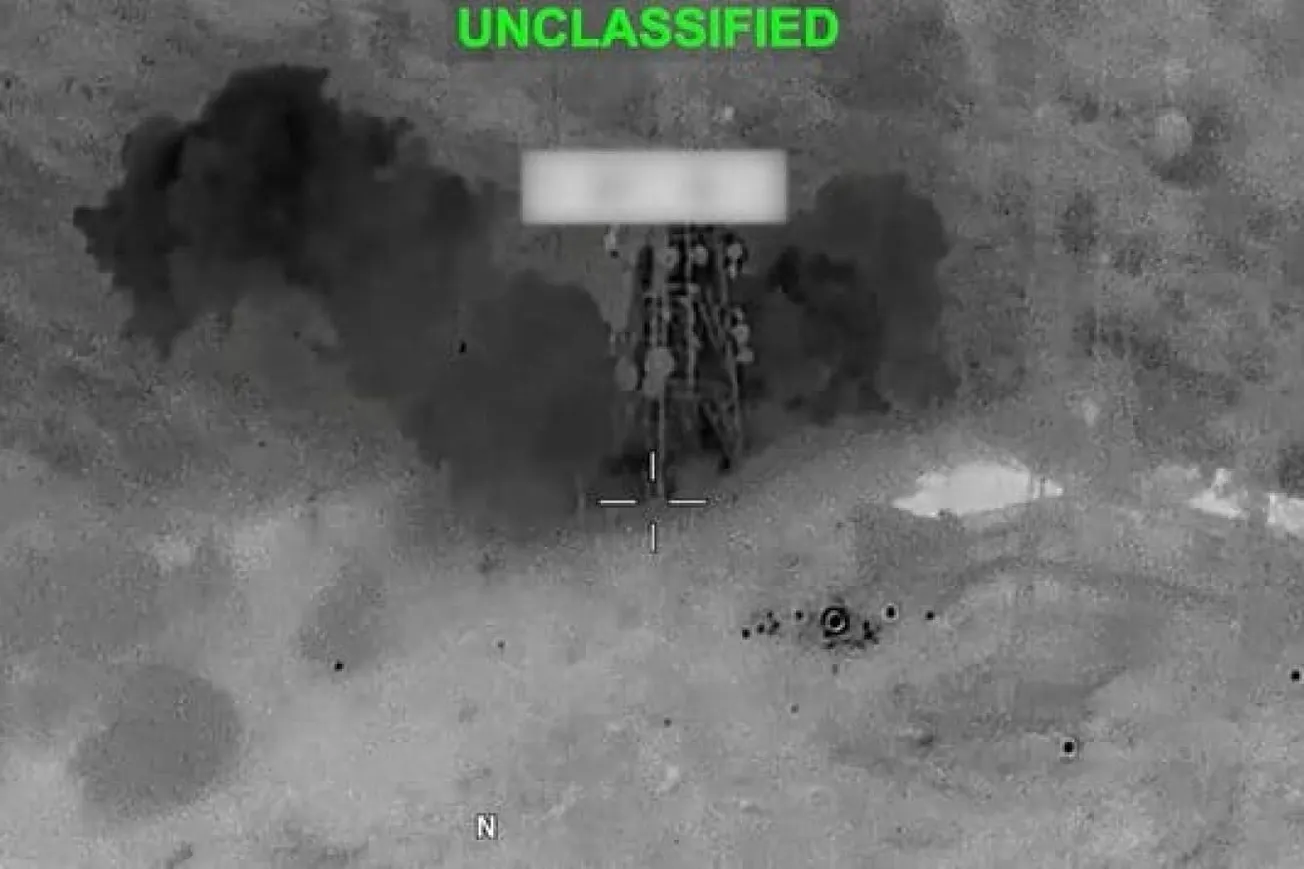
Iranian state media reported casualties from the latest strikes as the conflict continued to expand across the region.