
I just finished my third trip to the Gulf this year.
If I walked into the Situation Room tomorrow morning instead of my condo in Chinatown, D.C., this is my Action Memo:
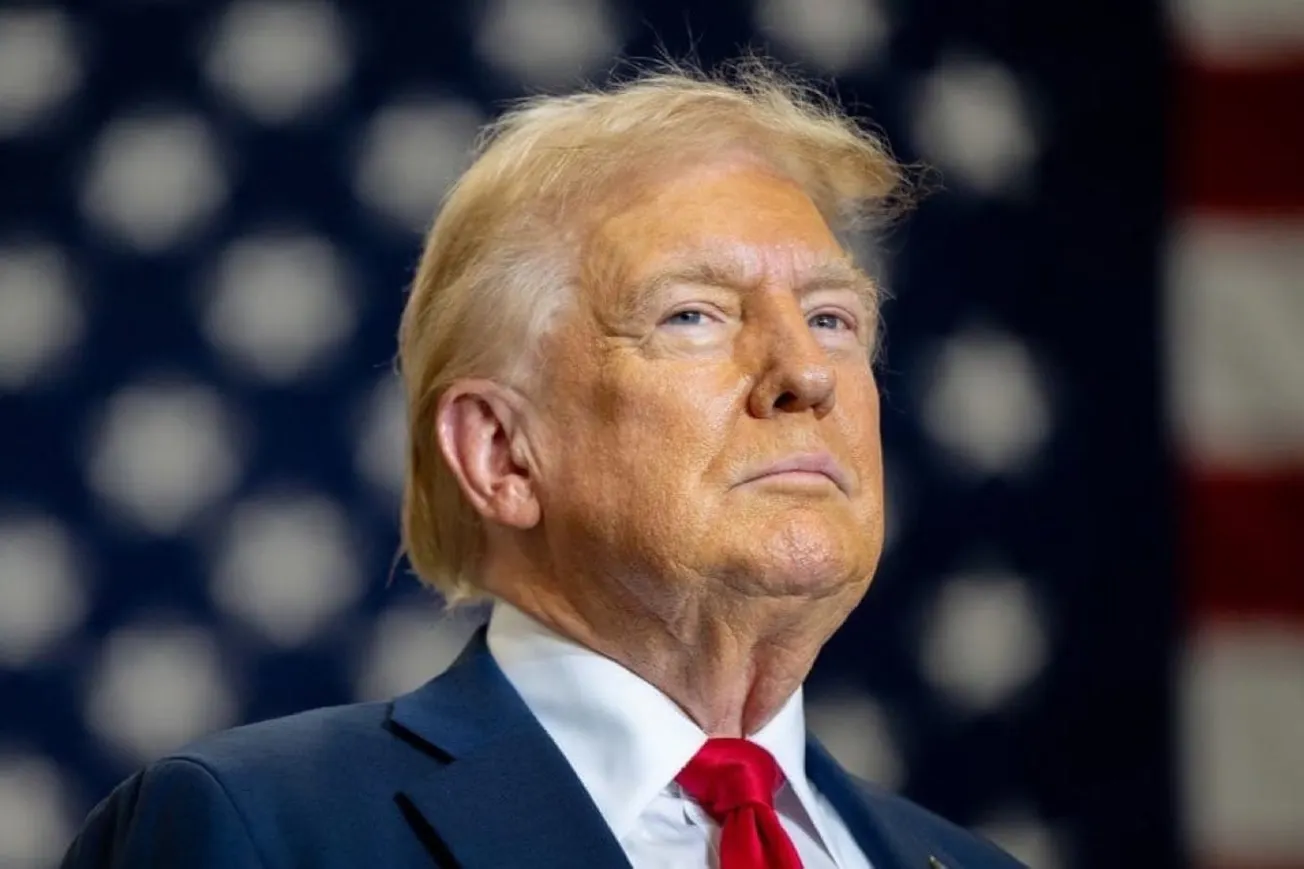
Recommendation: President Trump needs a war czar.
Not another general, envoy or cabinet secretary with Iran bolted onto an overflowing portfolio. Trump needs one person inside the White House with his authority to make the government execute one strategy against Iran.
His cabinet is busy. Energy Secretary Chris Wright is trying to get more oil and gas out of the Gulf and keep American gasoline prices under control. That's his job. But his estimates of how much oil is moving through the Strait of Hormuz have not always matched what vessel trackers see. The ships get a vote.
Marco Rubio spent part of last week talking Pop-Tarts, Tupac and family life on a podcast. Fine. A secretary of state can eat a breakfast pastry and love rap. Rubio is also doing two enormous jobs: running State and serving as acting national security adviser.
On Iran, State is working with Austria because the IAEA sits in Vienna, Greece because its shipping interests are enormous, Oman because it shares Hormuz with Iran, and Gulf, European and Asian governments that can help shut down the routes Iran uses to move oil, money and weapons.
Scott Bessent promises more economic pressure. Washington has already sanctioned more than 1,000 targets since Trump returned to office, yet Iranian oil still moves. China buys it. Money runs through banks, digital exchanges, front companies and shadow fleets.
Another sanctions announcement will not fix that. Find the hole, close it and anticipate the next ones.
Sanctions should move faster than a jet-powered Hadid-110 attack drone crosses Hormuz, not at the speed of a press release forwarded to Fox Business.
Pete Hegseth runs the Pentagon. Gen. Dan Caine chairs the Joint Chiefs. The CIA is doing, well, a lot. We hope.
Everybody has a silo. Iran has a strategy.
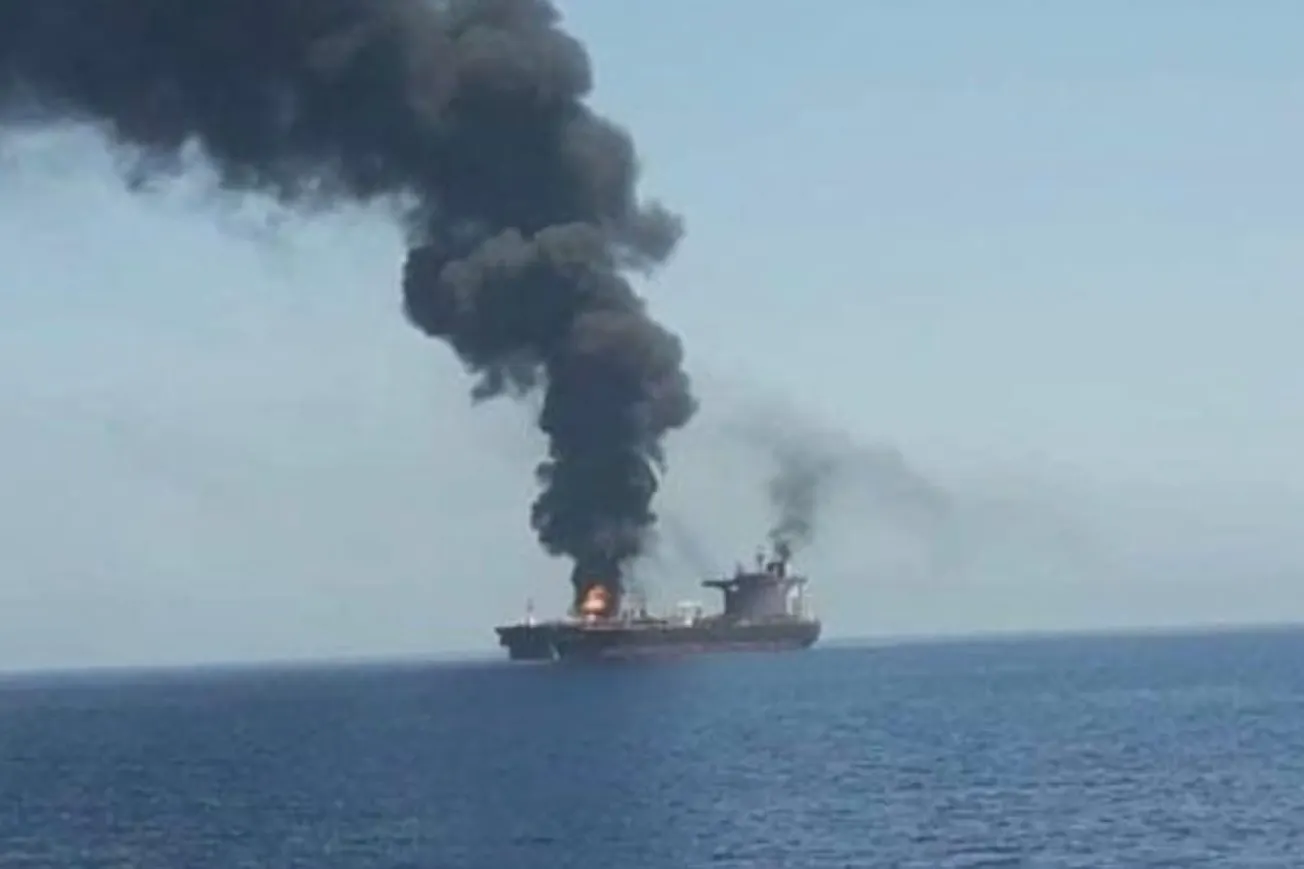
Washington separates barrels, sanctions, diplomacy, military operations, intelligence and communications. Tehran does not. A tanker becomes an economic weapon. A Chinese refinery keeps money flowing. A Houthi missile changes what an insurer in London will cover. A front company Treasury has never heard of on Monday moves Iranian money by Tuesday. An Iranian meme reaches an American phone before Washington decides whose job it is to answer.
From Doha, I kept coming back to the same problem: America has enormous power, but Iran keeps finding pressure points and hammering them.
Put a Pressure Cell in the White House and give one person the President's authority to run it. Get ahead of Tehran and make the agencies move together instead of collecting their updates after the fact. If intelligence identifies a new Iranian money route in the morning, Treasury should move on it that day while State calls the government allowing it to operate.
Missiles tell you where the pressure was. The czar’s job is to see what comes next and get American power there first.
Donald Rumsfeld complained about this twenty years ago. In 2006, he warned that America's enemies had adapted to the media age faster than we had, moving quickly with few people and modest resources against the enormous bureaucracies of the West.
He wasn't wrong about the problem. I muttered under my breath at the time, as a Defense Department civilian who had come into the fight late: You run this department. We're nearly five years past 9/11 and three years into Iraq. You could, you know, empower us to fix it instead of blathering about it to the media.
But I digress.
Twenty years later, we can actually fix it.
Iran put President Trump in a catering box.
After the Secret Service moved him between aircraft because of a credible missile threat, Iran's embassy in South Africa grabbed an AI-generated image and mocked him with it.
The Secret Service did its job. Tehran got a meme.
Mr. President, I doubt you'll listen to me on this, but Truth Social does not need more content. It needs direction.
During the Iraq Surge, we put ambassadors, soldiers and credible outside voices into the fight. They knew the argument, had the facts and carried them.
VOA and Alhurra did not need more money. They needed to catch up with how people actually get their news, especially on TikTok, short video and mobile platforms. Modernize them instead of DOGEing them.
The Pressure Cell needs a small interagency communications team bringing the White House, State, Defense and others together so the government is not answering Tehran in pieces.
Expose the IRGC cronies getting rich, the attacks on Iran's neighbors and the economic pain Iranian families live every day. Give American diplomats and other credible voices material they can use before Tehran fills the screen.
Trump owns the megaphone. Point it at the Gulf.
The clock ran out
The 60-day negotiating period ended without a final deal on Hormuz or the detailed nuclear settlement that was supposed to follow.
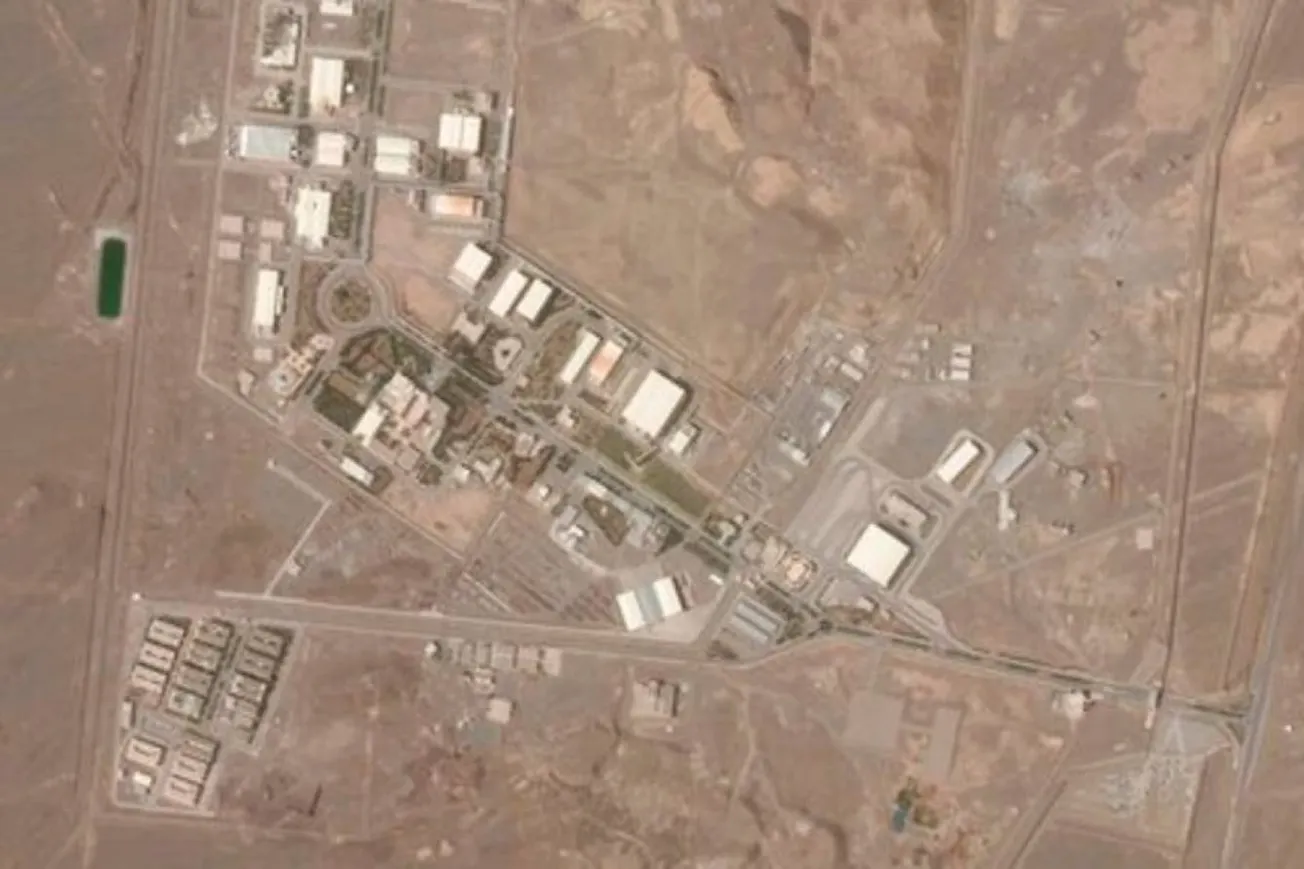
The IAEA's last verified pre-attack count put Iran's stockpile of uranium enriched to 60 percent at 440.9 kilograms. Inspectors still cannot account for the full post-attack inventory.
The negotiating clock expired. The uranium did not.
Iran used those two months to prepare for a bigger fight. Hardliners tightened IRGC control, expanded counterintelligence and ramped up missile and drone production.
While Washington negotiated, Tehran spent two months rebuilding for war.
Look at Stephen Miller
Former senator and Interior Secretary Ken Salazar recently called Miller "ruthless, but whip smart." Salazar said that, on immigration, Trump's team is "conducting the choir" effectively.
I don't share Miller's demeanor or many of his policies. But nobody around this White House asks whether he knows what Trump wants. He pushes until agencies move. If they don't, there's hell to pay.
I am not proposing Miller for the job.
Trump needs the relentless execution, not Miller himself. The war czar needs a cooler temperament and enough judgment to know when military pressure helps and when it creates another problem. If the President gives an order on Monday, the czar needs to know by close of business whether it happened.
In 2007, it was Doug Lute
The Iraq war was entering its fourth year. Republicans had just suffered a terrible 2006 election. President George W. Bush had ordered a new Surge strategy. Americans were exhausted by a war that had no end.
Washington had plenty of smart people and power. The problem was getting them to move together.
Bush brought in LTG Doug Lute.
The media tagged him the war czar. Lute hated the title because he did not command the wars. He made sure the President's decisions got done.
I remember Lute in the White House before 6 in the morning. He stayed until the last task was assigned, the order was clear and somebody owned it. I watched and, occasionally, helped him do it.
An April 2008 NSC Afghanistan Communications Team report, produced at Lute's direction, laid out 38 recommendations. By the final weeks of the administration, by my count, we had implemented 37.
I'm still irritated about the 38th.
But Washington rarely gets that batting average.
I don't care what Trump calls the job.
Find someone with Miller's relentless execution, give them the President's authority, and judge the results as Lute did: What did the President tell us to do? Did we do it?
Mr. President, thank you for your attention to this matter.
Mark Pfeifle, a member of the TIPP Insights Editorial Board, served as deputy national security adviser for strategic communications and global outreach at the White House from 2007 to 2009. He runs the crisis management firm Off the Record Strategies.
Original article link: RealClearDefense
🧭 Power & Capital · August 27, 2026
Where state power meets the boardroom.
🔷 Meta Pays $17,000,000,000 Over Harm To Kids On Social Media – Power & Capital Desk, TIPP Insights
🔷 New U.S. Chip Tariffs Could Hit Data Centers And Consumer Electronics – Power & Capital Desk, TIPP Insights
🔷 Trump Reports More Than 1,000 Stock Transactions In June – Power & Capital Desk, TIPP Insights
🔷 Kevin Warsh Owes Us An Apology – Marco Buti and Marcello Messori, Project Syndicate
🔷 Profiting From Government Didn’t Begin With Trump – Connor O’Keeffe, Mises Wire
🌍 Global Affairs
The world's flashpoints, in motion.
🟥 What Warning Did CIA Chief Ratcliffe Deliver To Russia – TIPP News
🟥 Who Is Leading Qatar’s Latest Diplomatic Push With Iran – TIPP News
🟥 ‘Butcher Of Bosnia’ Ratko Mladić Dies In Prison – TIPP News
🟥 Watch: 14 Babies Die In Pakistan Hospital Fire – TIPP Video
🟥 Watch: The Moment Flash Floods Hit Nepal – TIPP Video
🟥 Watch: Scenes Of Destruction In Nepal After Flash Floods – TIPP Video
🟥 Watch: Flash Floods Gobble Up Tall Buildings In Nepal – TIPP Video
🏛️ National Affairs
The fights shaping America right now.
🟫 Trump To Revoke 200K Visas From Asylum-Seekers – Elizabeth Troutman Mitchell, The Daily Signal
🟫 Generational Divide Grows Among Black Democratic Voters: Report – TIPP News
🟫 McKinney Recall Effort Draws Federal Civil Rights Complaint Over Alleged Intimidation – Emily Medeiros, The Daily Signal
🟫 Why Young Adults Are Choosing Christianity In An Increasingly Secular Age – Mario Enzler, The Daily Signal
📈 Economy
Prices, policy, and the pressure on your wallet.
🟩 The Real Reason Young Families Can’t Find Homes To Buy – Peter St. Onge, The Daily Signal
🟩 Housing Is Too Expensive. Blame Your Local Tree Ordinance. – Chance Weldon, The Daily Signal
🟩 The Wealth Tax Revival Is Repeating A Failed Experiment – Lipton Matthews, Mises Wire
💼 Markets & Business
The deals and tickers making moves.
🟧 What Made Nvidia Shares To Jump 7% After Earnings – TIPP News
🟧 Elon Musk Should Reach For The Next Frontier—Not Buy The Last One – Ken Blackwell, The Daily Signal
Letters to the editor email: editor-tippinsights@technometrica.com
Subscribe Today And Make A Difference. Consider supporting Independent Journalism by upgrading to a paid subscription or making a donation. Your support helps tippinsights thrive as a reader-supported publication. Contact us to discuss your research or polling needs.
Reach our audience. For sponsorship and advertising opportunities, visit our Partner With Us page.