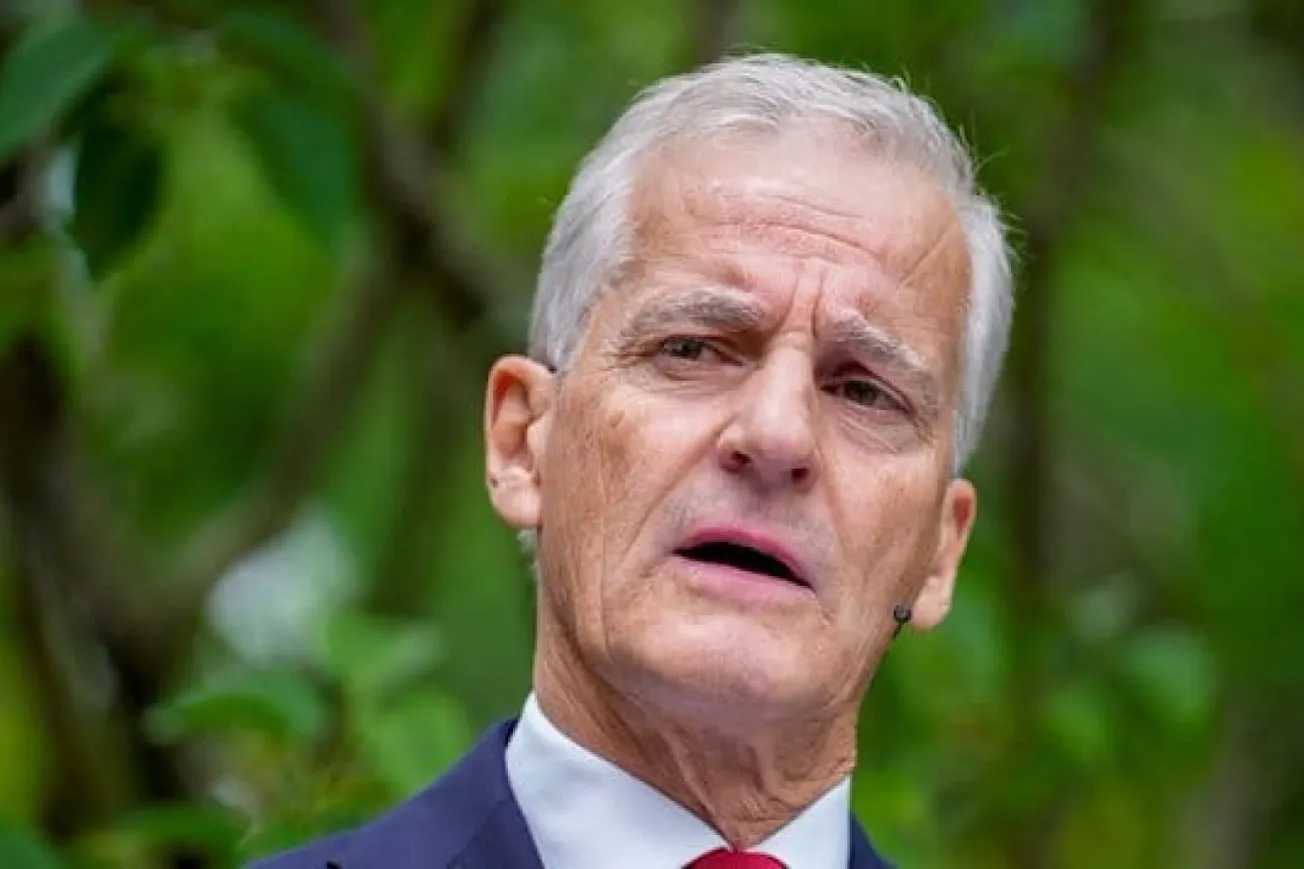
Norway has announced sweeping new restrictions on the use of generative artificial intelligence in schools, introducing a near ban for elementary school students while placing tighter controls on AI use among older pupils.
Prime Minister Jonas Gahr Støre said the measures are designed to protect foundational learning skills and ensure that children develop essential abilities in reading, writing, and mathematics before relying on artificial intelligence tools. The new standards are scheduled to take effect with the start of the upcoming school year in late August.
Older secondary school students, aged 17 to 19, will be encouraged to learn how to use AI responsibly as preparation for higher education and future employment.
The initiative forms part of a broader effort by the Norwegian government to address declining educational performance. In recent years, officials have expressed concern over falling test scores and the growing influence of digital technologies on classroom learning.
In 2024, Norway introduced restrictions on smartphone use in schools and expanded teachers' authority to maintain classroom discipline.
The move reflects growing concern that excessive screen use may be undermining concentration, literacy development, and traditional study habits.
Norway's latest education reforms align with a wider international trend toward stricter regulation of children's use of technology.
The government has already proposed restricting access to social media for those under 16, joining countries such as Australia in seeking stronger safeguards for young people in an increasingly digital environment.
Related Tweet:
Norway imposes near ban on AI in elementary school https://t.co/uIuTRh6XCk https://t.co/uIuTRh6XCk
— Reuters (@Reuters) June 19, 2026
Also Read:
 TIPP Staff