
Serbia’s longtime leader Aleksandar Vučić has lost a snap election to a student-led movement that won mass support by vowing to fight corruption and reverse democratic backsliding.
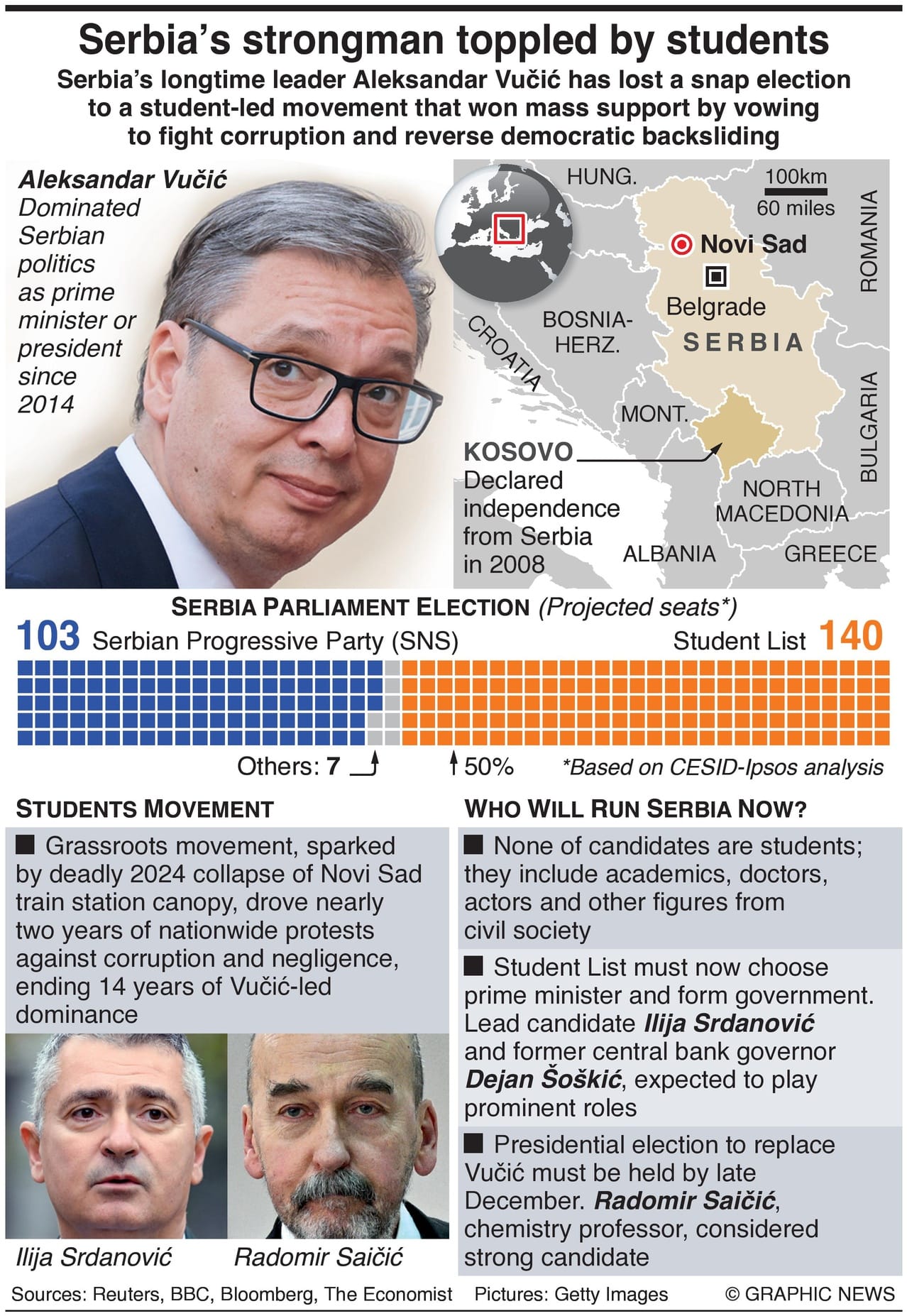
The Student List won about 52.9% of the vote and 140 of 250 seats, according to a projection by Ipsos and the CeSID monitoring group based on 96% of the sample. Vučić’s SNS-led list got 38.8% and 103 seats. Official results are pending.
Vučić, who resigned as president in September to run for prime minister, called the election after almost two years of protests. They were triggered by the 2024 collapse of a train station canopy in Novi Sad that killed 16 people, and spread into broader anger over corruption and creeping authoritarianism, which Vučić’s party denies.
The students became the biggest threat to Vučić since he became prime minister in 2014 and president in 2017.
Whoever forms the next government will have to balance ties with China, a major investor; Russia, Serbia’s traditional ally and main gas supplier; and the EU, its largest trading partner. A presidential election must also be held by late December.
🔗 Further Reading
Deeper on what you just read.
🟨 After Vucic defeat, Serbia waits to learn how student-backed leaders will govern – Reuters
🟨 How a movement of students brought down Serbia's Vučić – BBC
🟨 Aleksandar Vucic, Serbia’s autocrat, loses to a bunch of students – The Economist
🟨 Resluts – CESID-Ipsos analysis
🟨 Who are the Student List? – Nacionale
Russia’s War On Ukraine Is Straining Food And Fuel Supply
Russia and Ukraine have stepped up assaults on each other’s core export industries over the past year, causing disruption to global food and fuel supplies.

The Kremlin is targeting ports, elevators, warehouses, ships and other infrastructure critical to Ukrainian agriculture. Kyiv is striking refineries, oil terminals and tankers as well as Russian grain hubs on the Black Sea and ships.
The attacks on vital exports of of food and fuel have shown how quickly a regional conflict can become a global one, with the impacts reverberating through markets, Bloomberg said.
🔗 Further Reading
Deeper on what you just read.
🟨 Russia’s war on Ukraine is straining food and fuel supply – Bloomberg
🟨 Ukraine hits two major gas facilities in record-breaking strike – Kyiv Post
Historical House And Senate Seat Changes
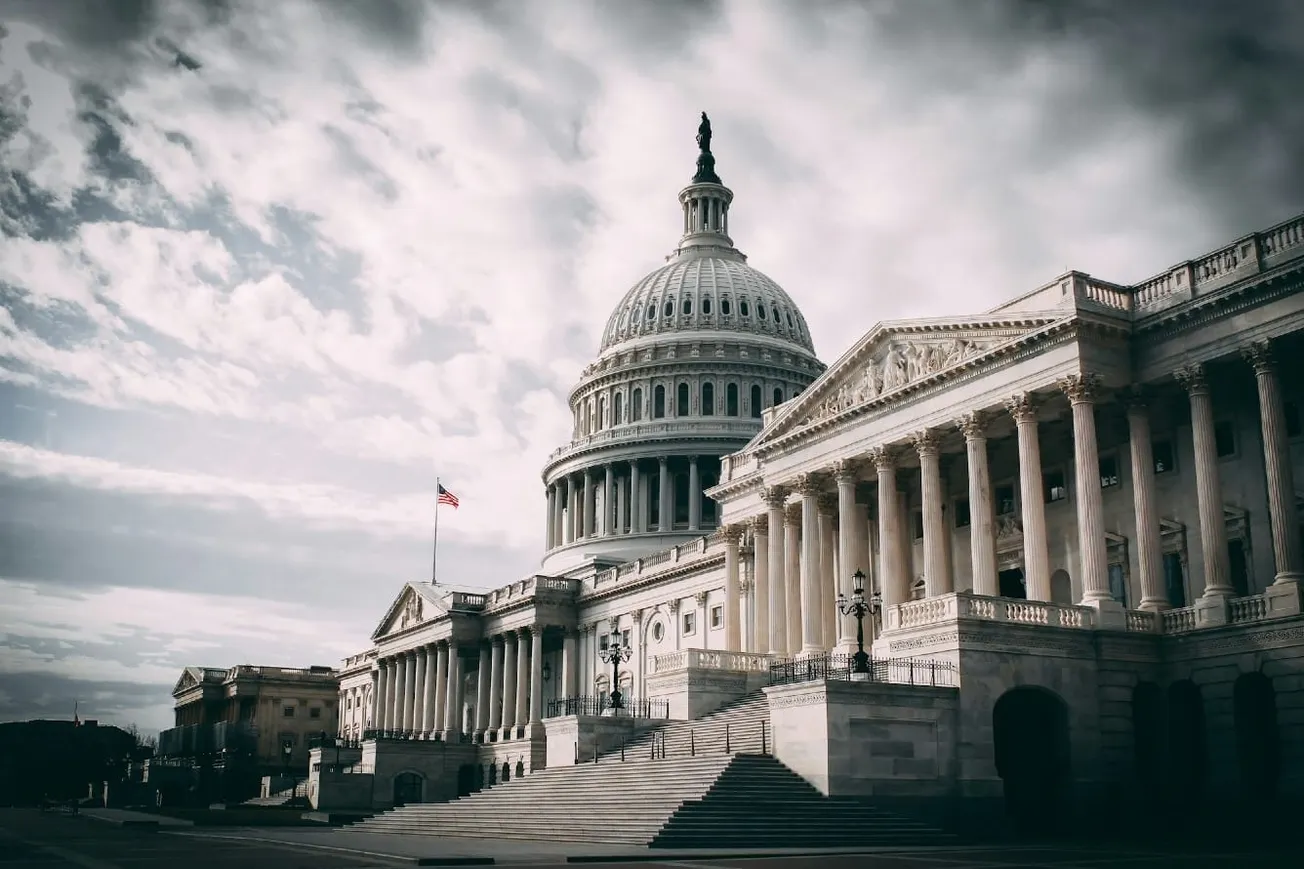
Thirty-five U.S. Senate seats – 13 Democrat, 22 Republican – and all 435 seats in the House of Representatives are up for election. The President’s party has historically paid a heavy price in U.S. midterm elections, losing seats in Congress far more often than making gains
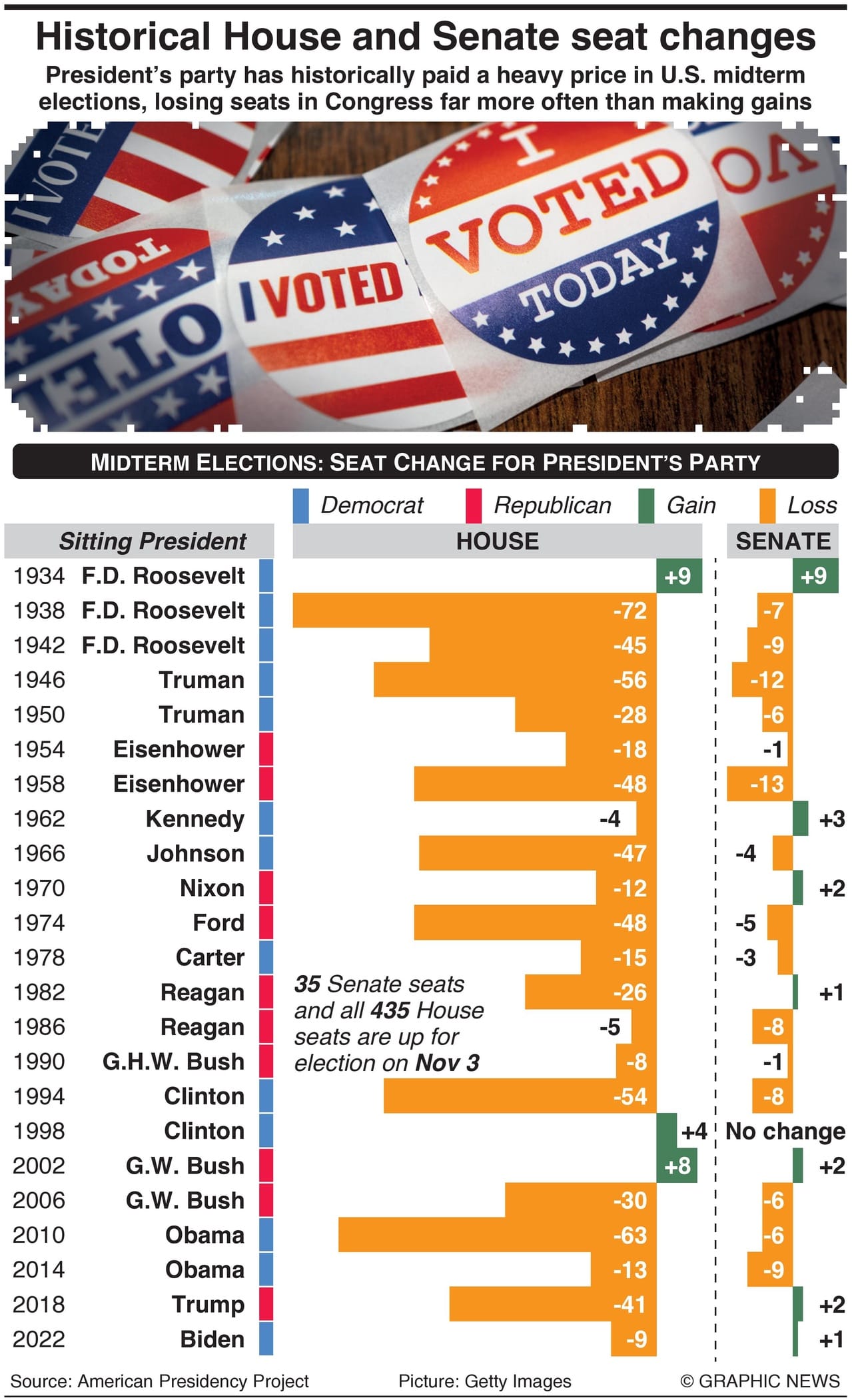
U.S. midterm elections have historically proved difficult for the party occupying the White House, with voters frequently reducing its representation in Congress. Since 1934, the president’s party has lost House seats in 20 of 23 midterms, with some of the heaviest defeats coming under Franklin D. Roosevelt in 1938, Barack Obama in 2010 and Bill Clinton in 1994.
Senate results have been more mixed, although losses remain more common than gains. George W. Bush in 2002 was the only president during the period whose party gained seats in both chambers, while Bill Clinton gained House seats and held steady in the Senate in 1998. Donald Trump’s Republicans enter the 2026 midterms against this historical backdrop, with all 435 House seats and 35 Senate seats being contested on Nov 3.
Trump Derangement Syndrome: What Does the First National Survey Reveal?
Join Dr. Carole Lieberman and a distinguished panel of journalists and commentators for an exclusive briefing on new TIPP Poll findings and their implications for families, society, and American politics.
October 28 | 1 PM ET | National Press Club, Washington, DC
🌍 Global Affairs
The world's flashpoints, in motion.
🟥 End The Russia-Ukraine War By The Holidays – Steve Cortes, RealClearPolitics
🟥 Melania Trump-Brokered Ceasefire Begins In Ukraine’s Occupied Oleshky – TIPP News
🟥 Israelis Fly Home As Netanyahu Faces Tough Election Challenge – TIPP News
🟥 Watch: Voters Cast Ballots In Pivotal Israeli Election Testing Netanyahu's Legacy – TIPP Video
🟥 UK Charges Man With Assisting Foreign Intelligence Service Over RAF Fairford Incident – TIPP News
🟥 Watch: Venezuelan Opposition Leader María Corina Machado Returns To Jubilant Reception – TIPP Video
🟥 Watch: London To Pedestrianize Oxford Street In Bid To Revive Retail – TIPP Video
🟥 Soccer Star Mbappé Faces Backlash In China Over Comment About Communist Leader – TIPP News
🏛️ National Affairs
The fights shaping America right now.
🟫 Why James Comey Faces Fresh Criminal Charges Over A 2016 Media Leak – TIPP News
🟫 US Supreme Court Rejects Bid To Restore Immigration Judges’ Deportation Powers – TIPP News
📈 Economy
Prices, policy, and the pressure on your wallet.
🟩 Federal Reserve Faces Pressure To Raise Rates Again As Inflation Persists – TIPP News
💼 Markets & Business
The deals and tickers making moves.
🟧 What Anthropic’s IPO Filing Reveals About The Risks Of Advanced AI – TIPP News
🟧 Watch: China’s AI Stock Craze Collapses In $480 Billion Market Plunge – TIPP Video
🟧 Coca-Cola Beats Earnings Estimates Despite Weak North American Demand – TIPP News
🟧 American Airlines Hikes Card Fees To $150 While Adding New Travel Perks – TIPP News
Letters to the editor email: editor-tippinsights@technometrica.com
Subscribe Today And Make A Difference. Consider supporting Independent Journalism by upgrading to a paid subscription or making a donation. Your support helps tippinsights thrive as a reader-supported publication. Contact us to discuss your research or polling needs.
Reach our audience. For sponsorship and advertising opportunities, visit our Partner With Us page.