

How Is The Iran War Affecting US Inflation And Energy Prices
Consumer spending remained a bright spot. Inflation-adjusted spending increased 0.6% in August, its strongest monthly gain in more than a year
Consumer spending remained a bright spot. Inflation-adjusted spending increased 0.6% in August, its strongest monthly gain in more than a year
Qatar continues efforts to bring Washington and Tehran closer to an agreement.

Houthis like to argue, smoke weed and repel invaders. They live in one of our planet’s wildest, most inhospitable regions, so bleak and arid that even the local camels are cranky and irritable.

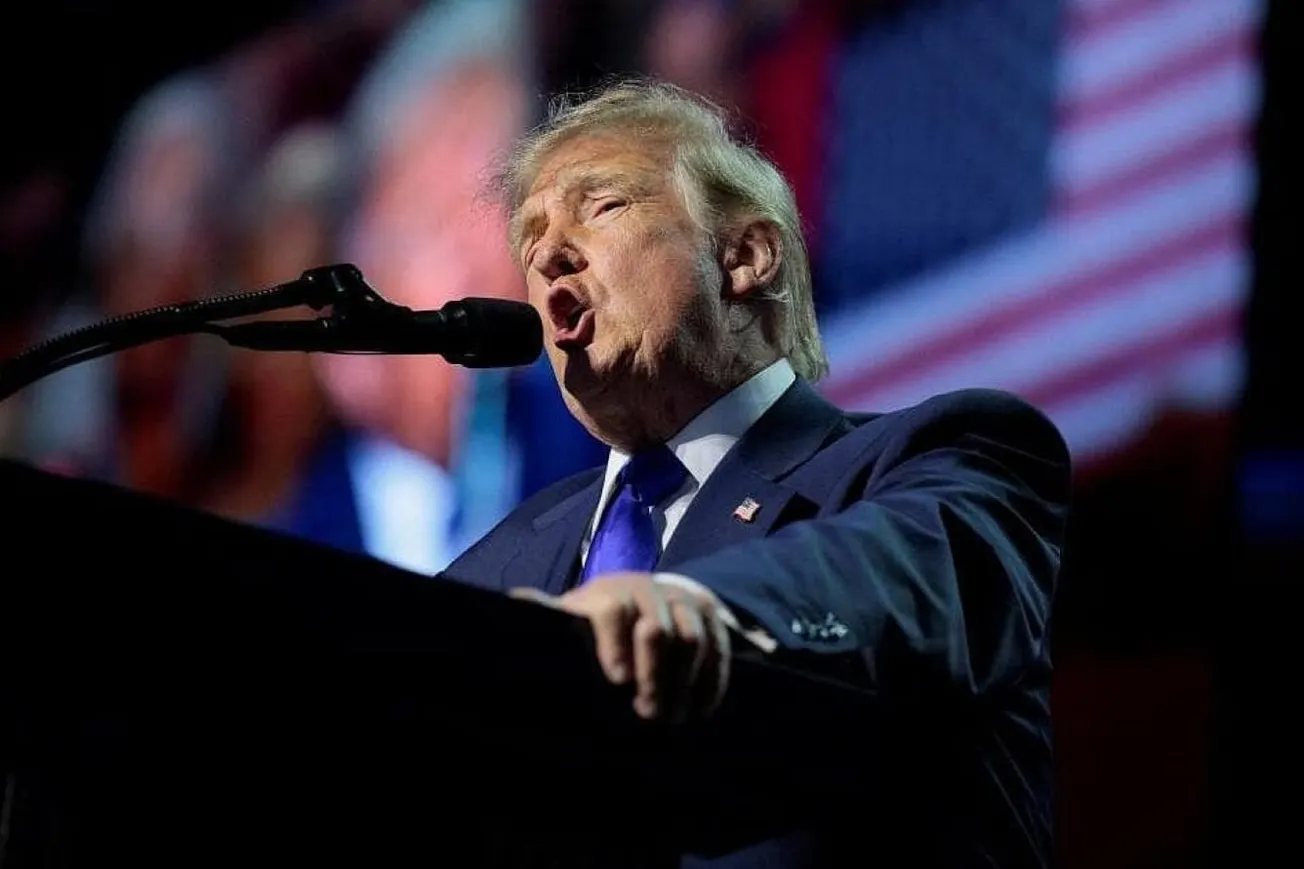
Trump emphasized that preventing a nuclear-armed Iran is a vital global necessity that far outweighs short-term economic pain.
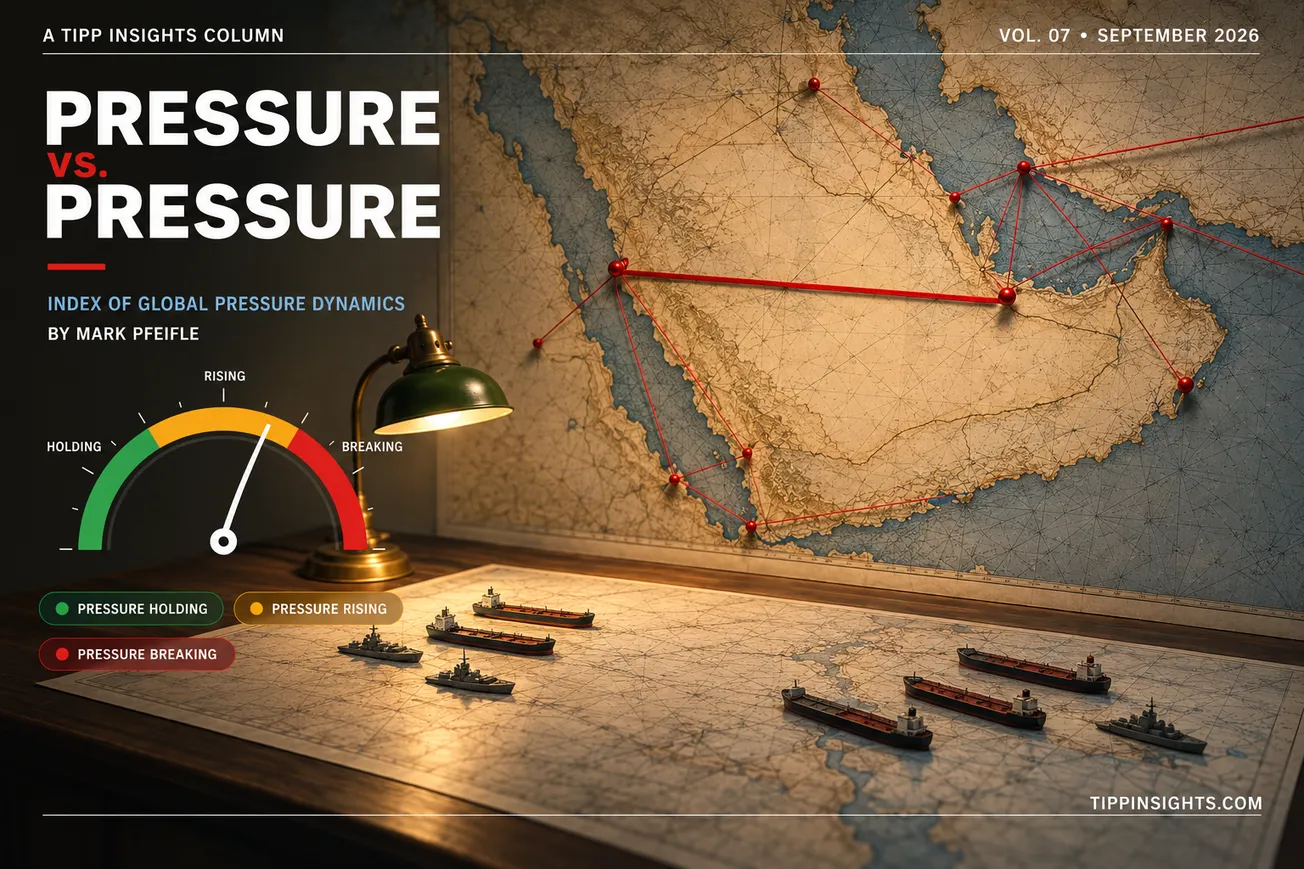
With Hormuz squeezed and drones hitting its pipeline, Riyadh rerouted oil, signed up new allies and asked Beijing for help.
The talks are expected to examine an amended proposal presented during the UN General Assembly.

The Defense Department did not publicly disclose the incident or the resulting injuries at the time.
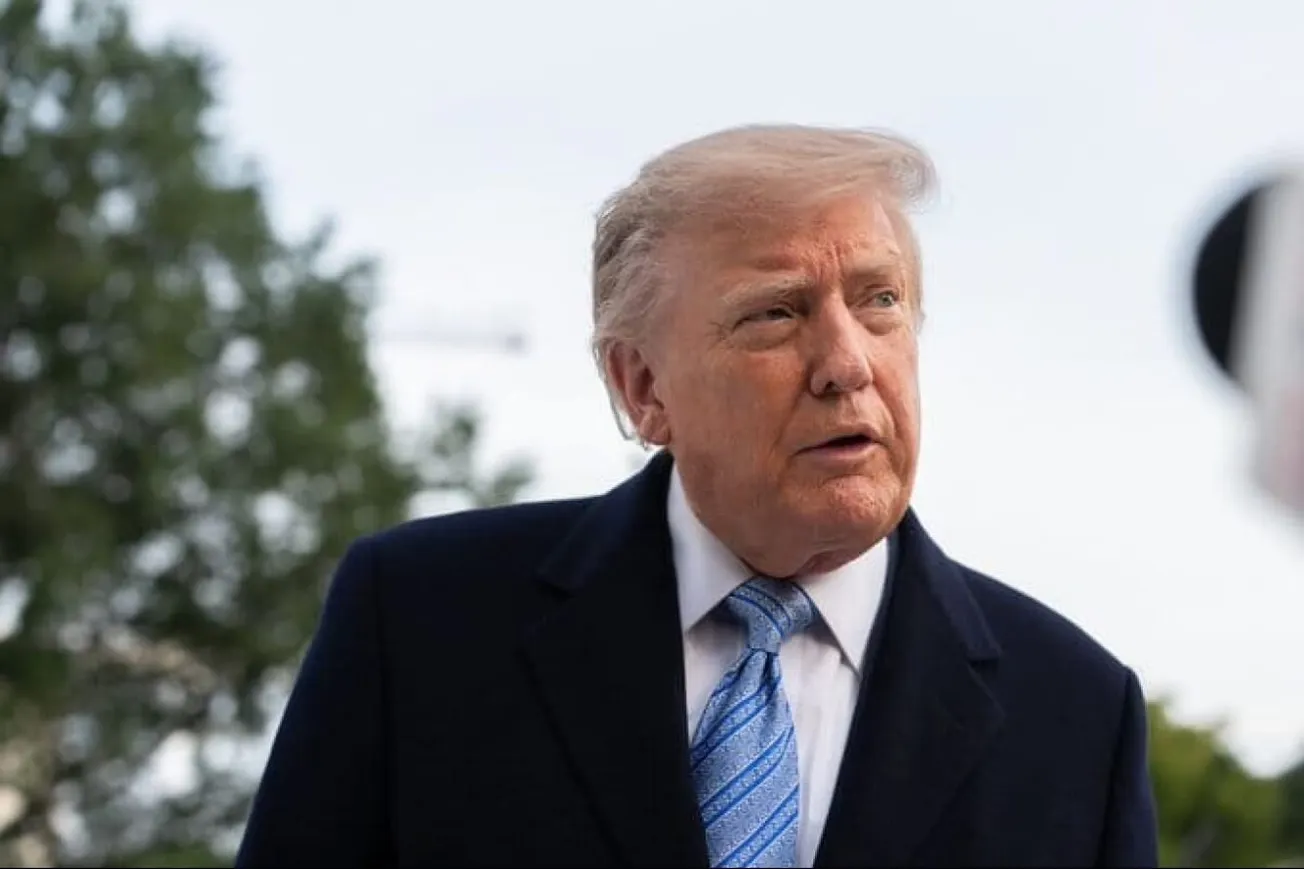
Iranian Foreign Minister Abbas Araqchi reportedly conveyed the proposal through Qatari mediators, with Tehran seeking the lifting of a U.S. naval blockade, relief from oil sanctions and the release of $12 billion in frozen assets.
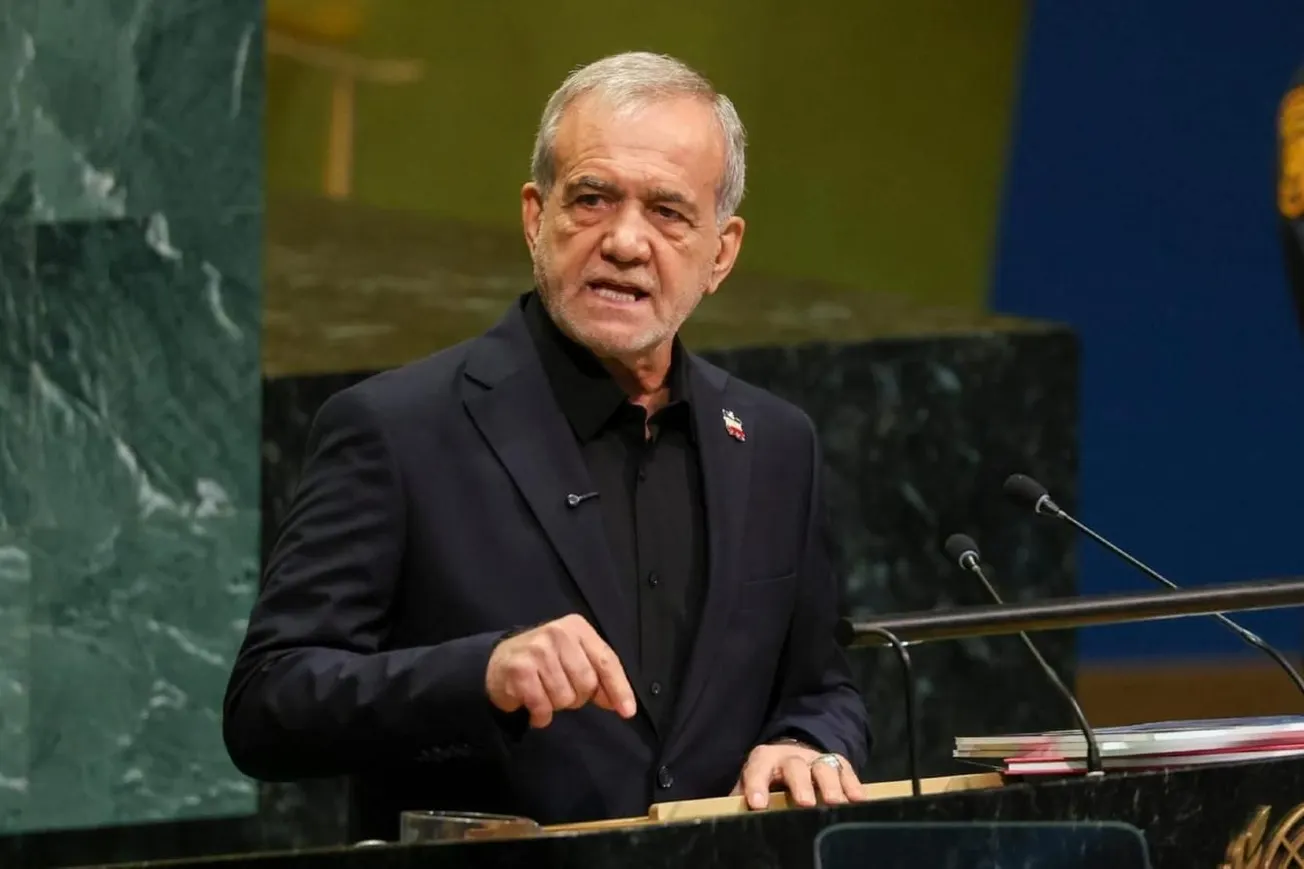
Iranian President Masoud Pezeshkian remained defiant in a recent interview, asserting that Tehran will endure any hardship rather than surrender to American pressure.

The intelligence reportedly helped Iran conduct a precise July strike on a US base in Jordan that killed three American service members
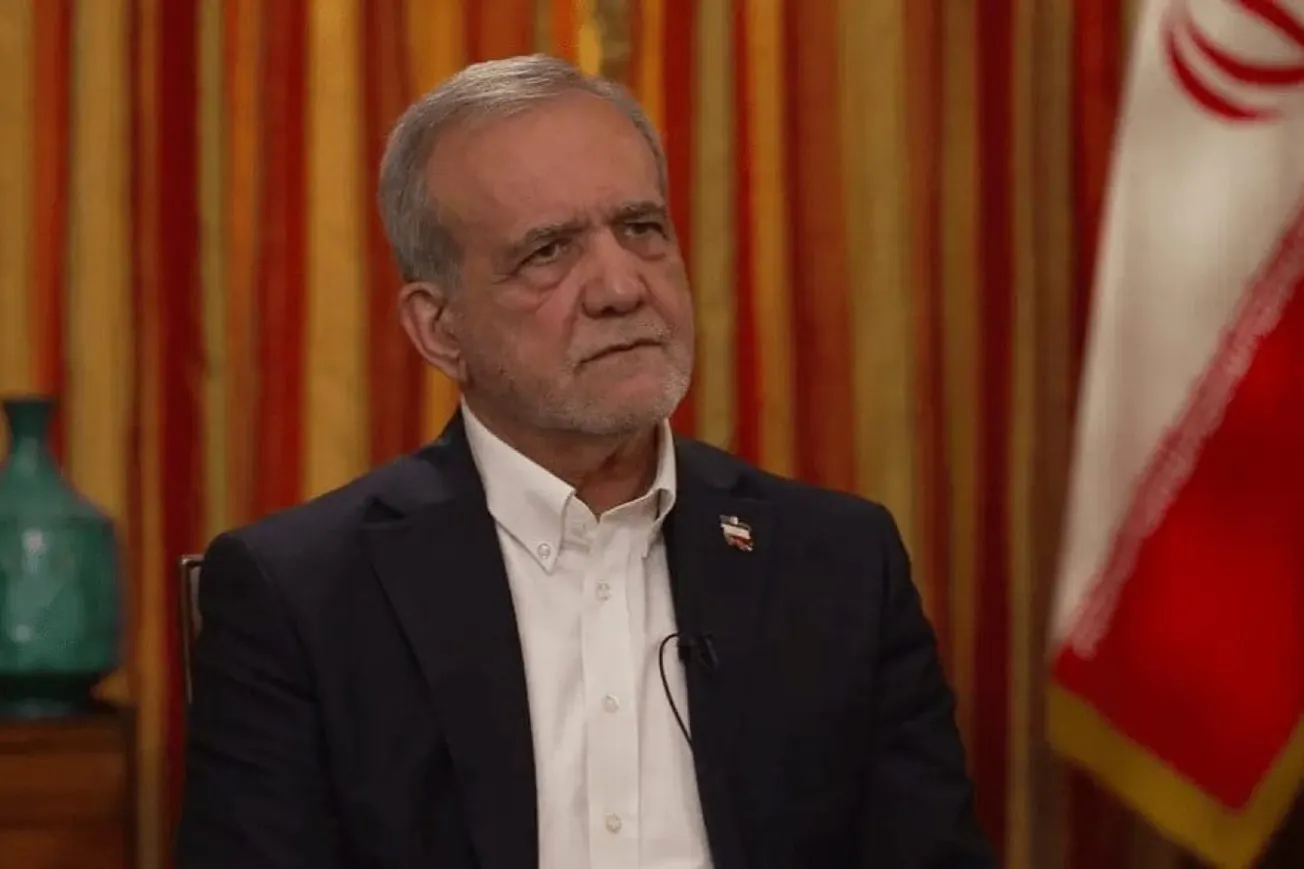
Iranian President Masoud Pezeshkian sought to distance Tehran from attacks by Yemen’s Houthis
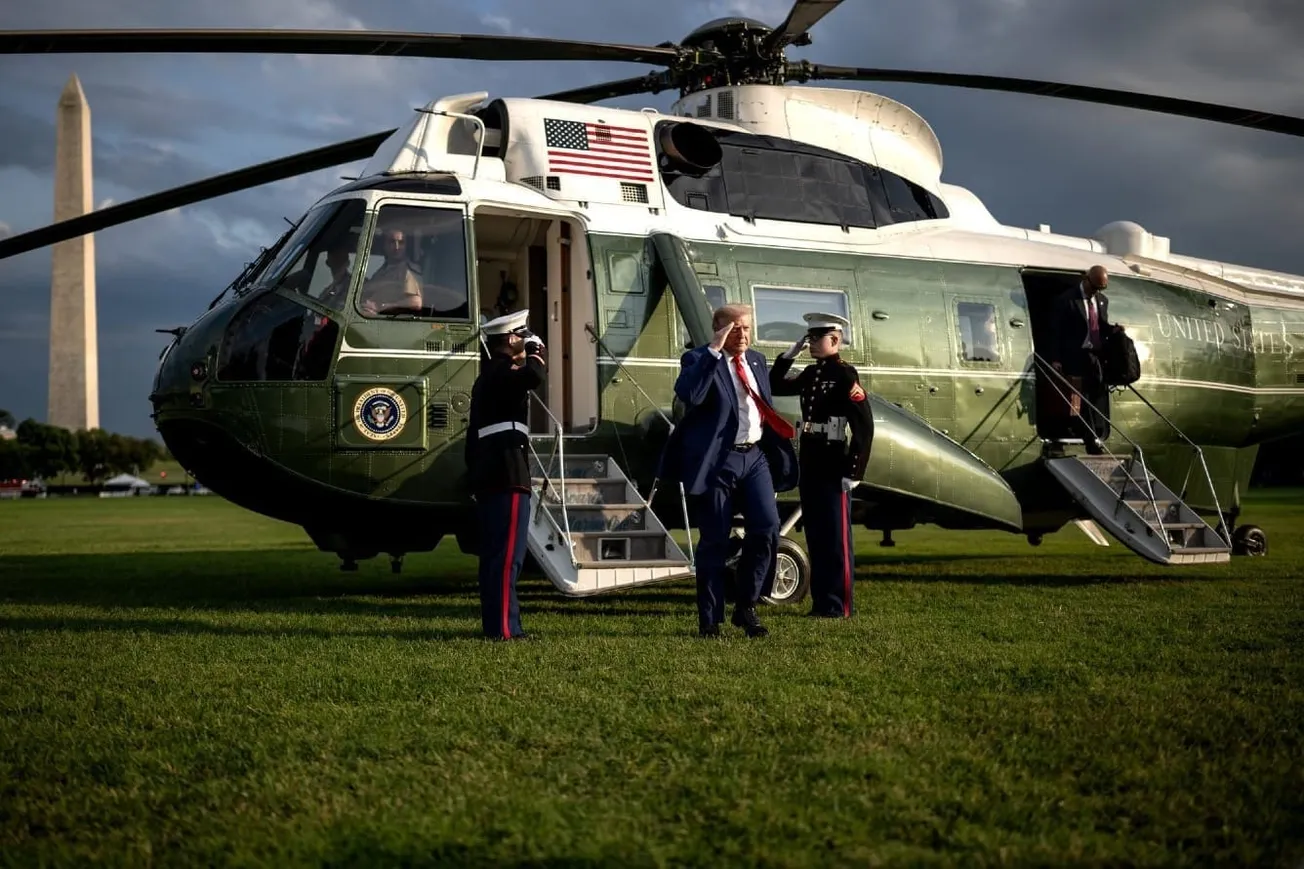
On Friday, Trump banned CNN, MS NOW and Politico from entering White House grounds.
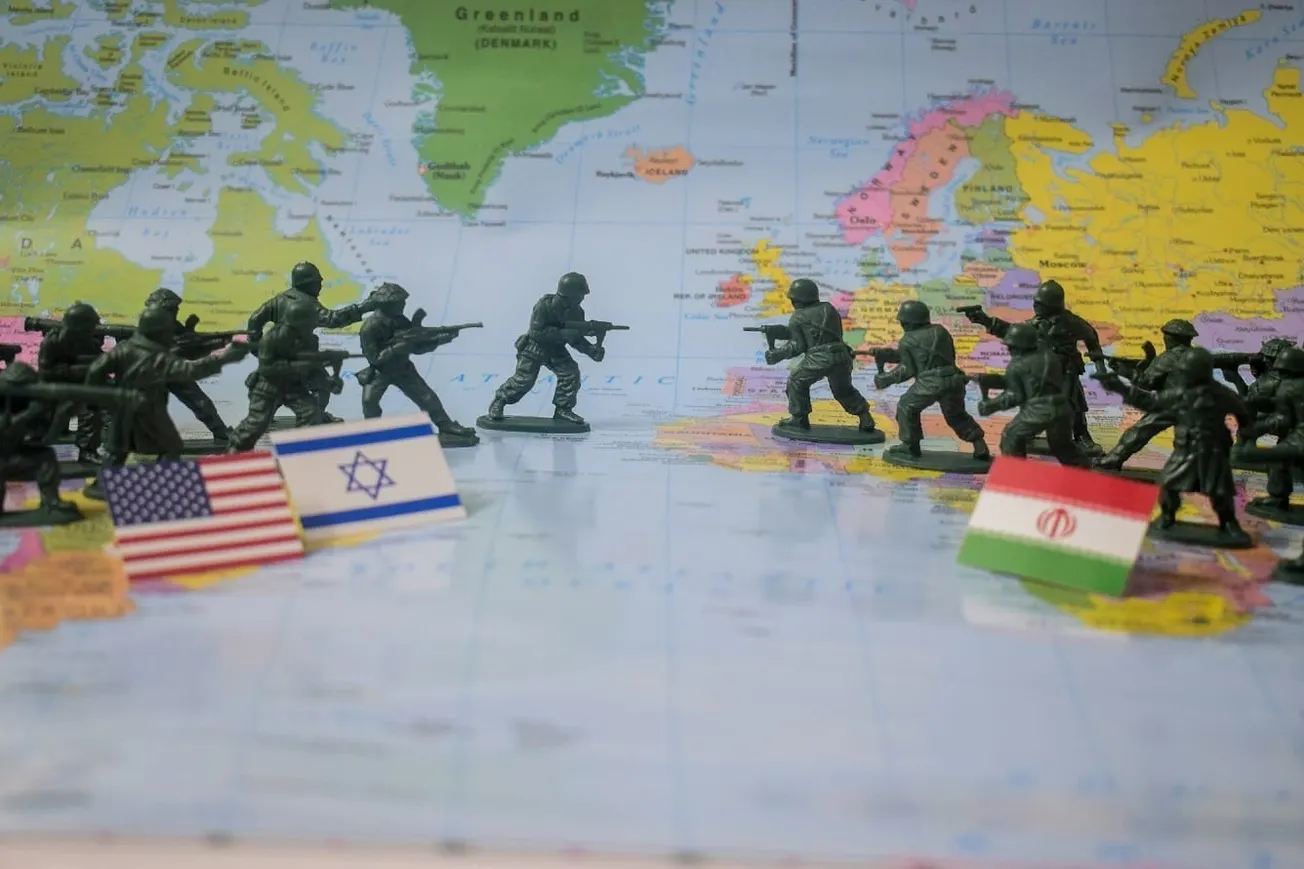
On September 15, the House of Representatives expressed its constitutional will and voted 220–204 to direct the President to end American participation in the war against Iran.
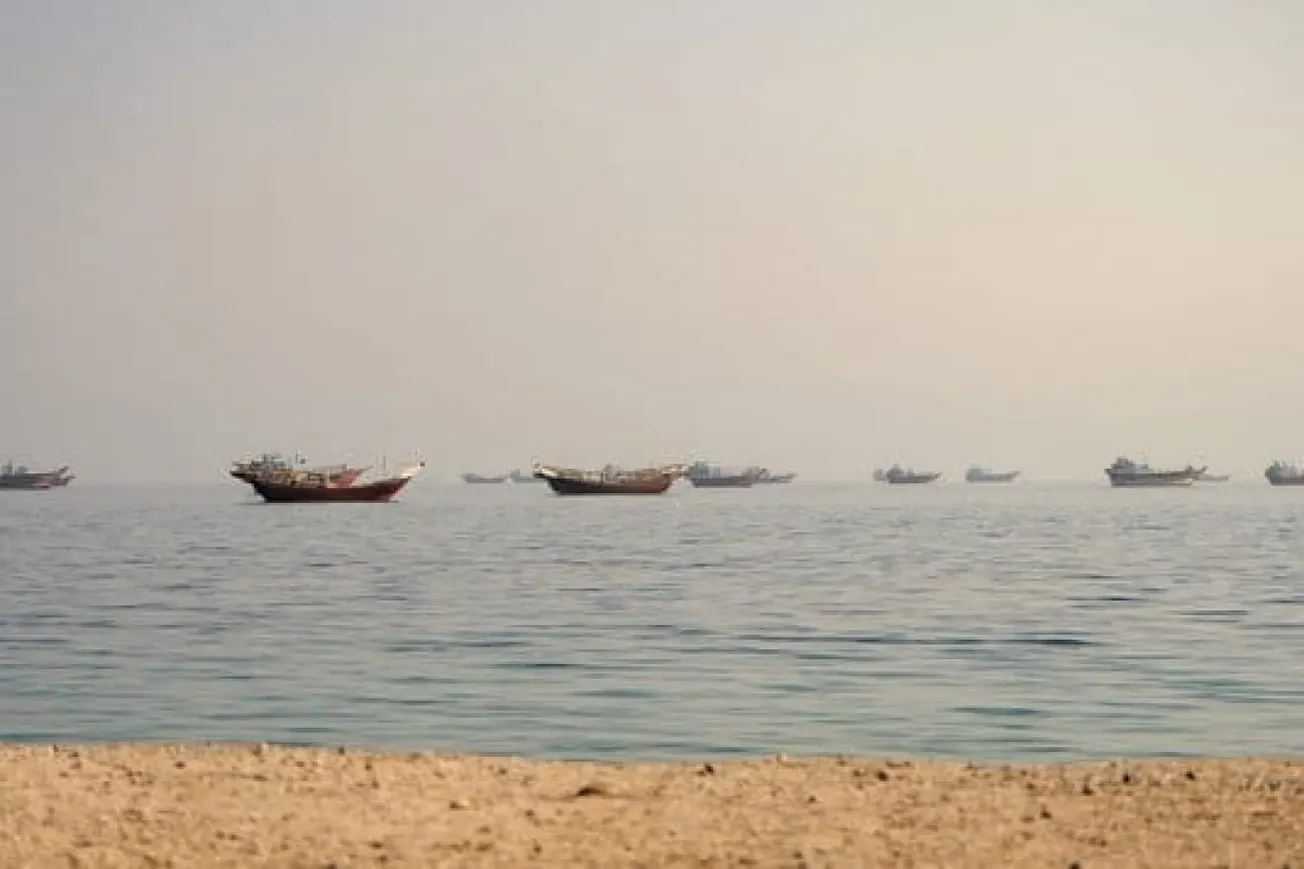
The talks in New York are aimed at finding a pathway toward ending the nearly seven-month conflict, although both sides remain reluctant to give up leverage before securing concessions.
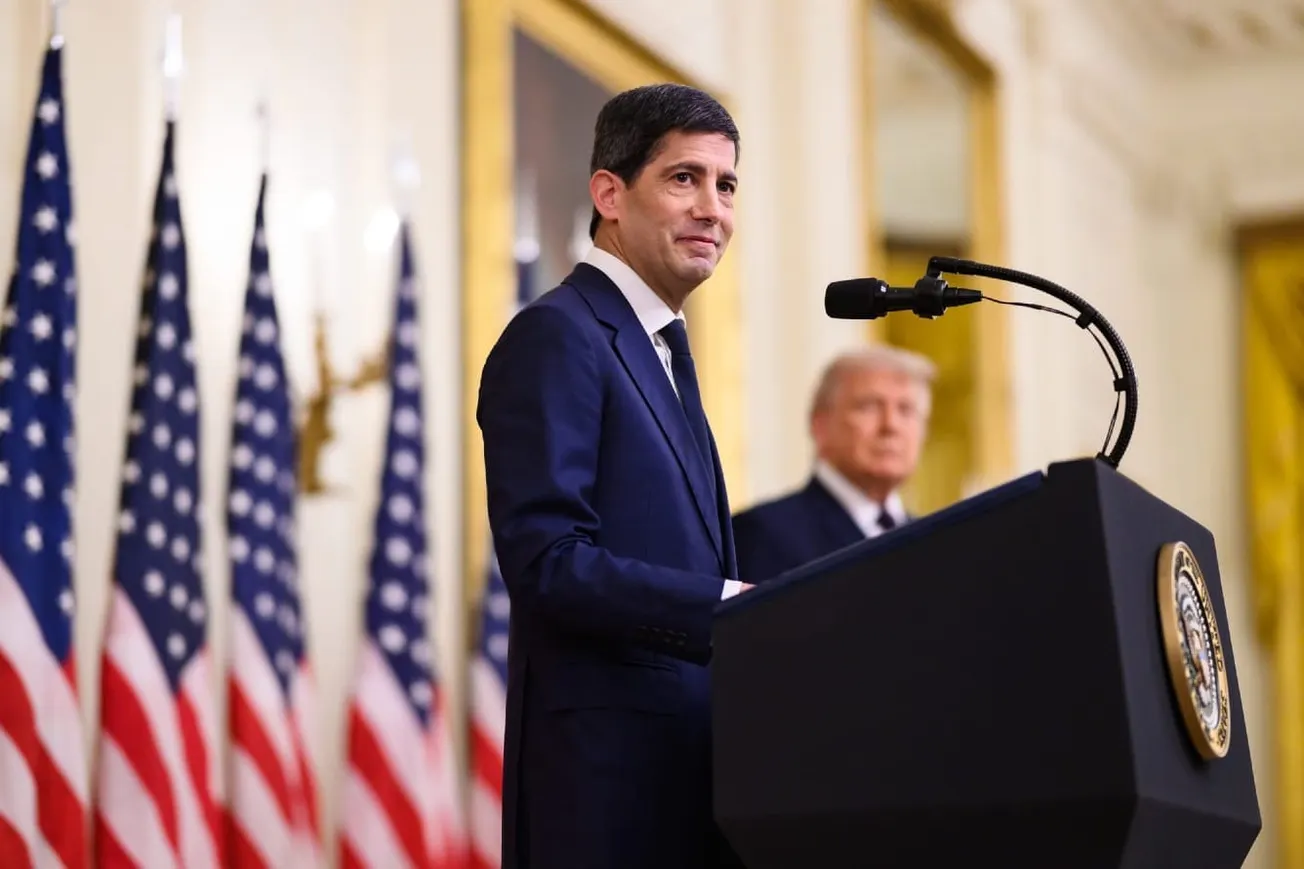
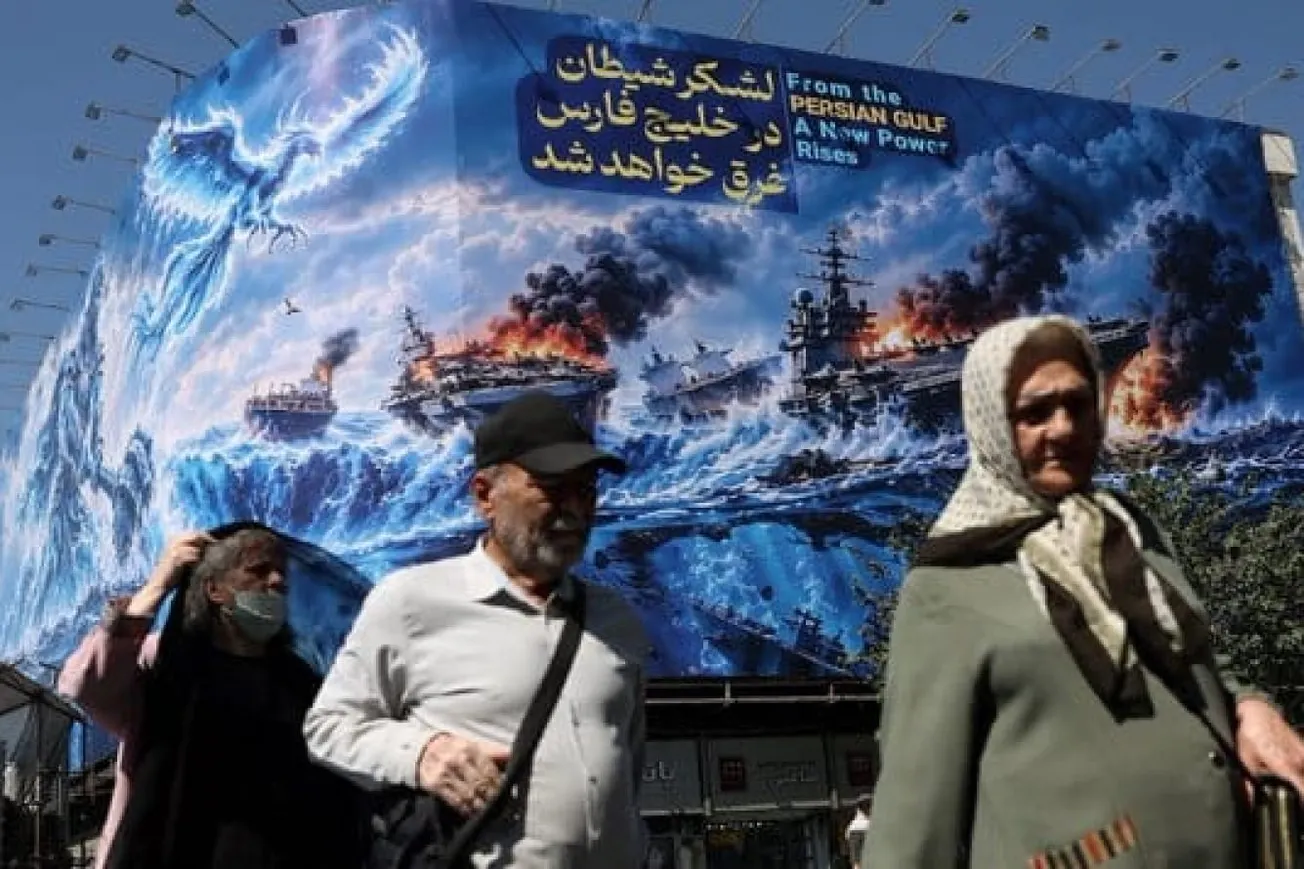
The Iran War, thankfully, has left the ayatollahs’ atomic toys harmlessly glowing in the dark beneath tons of rubble. If not obliterated, the mullahs’ fledgling nukes have been delayed for years, and perhaps even decades.
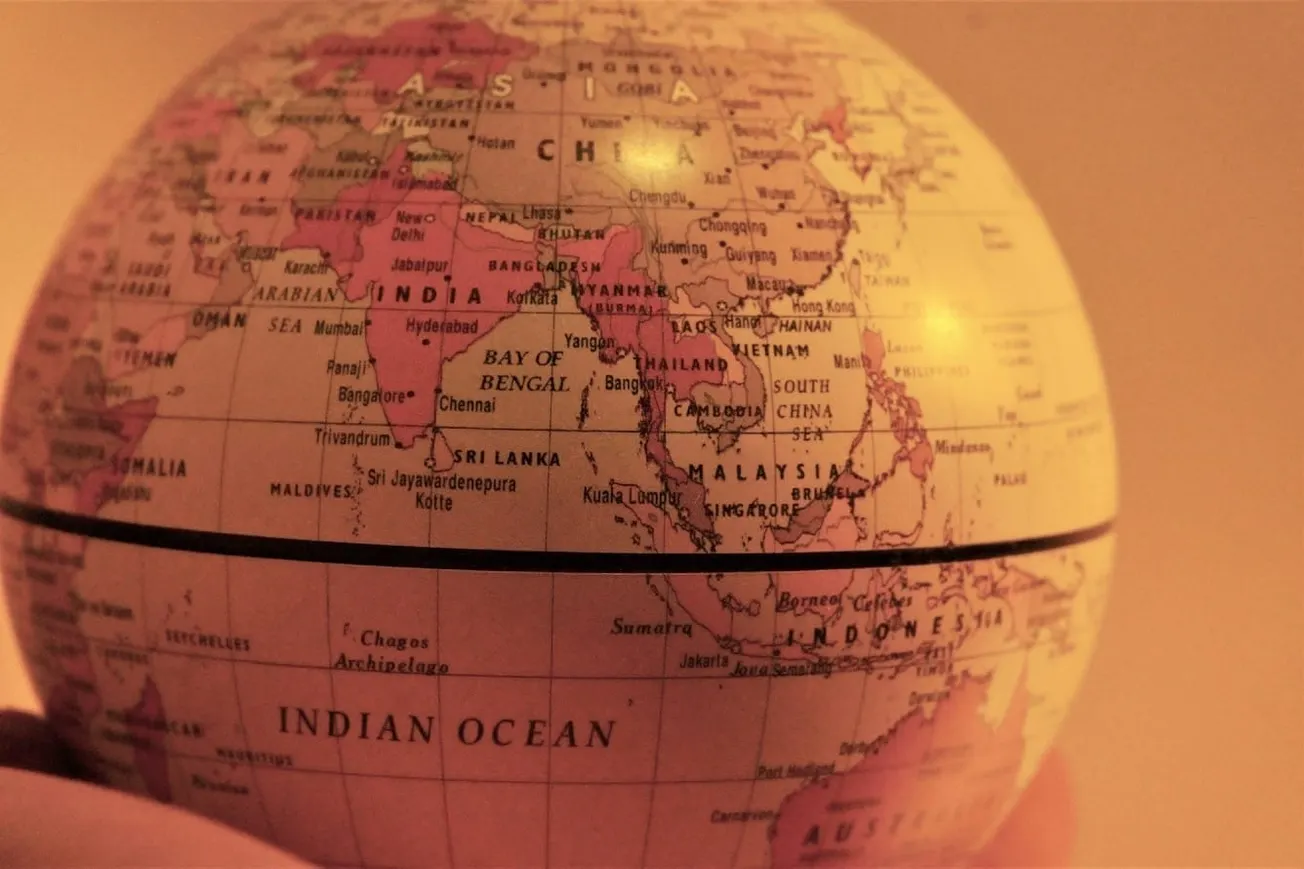
Its author, Norman Angell, argued that because nations relied heavily on a highly intertwined global trading system, the economic cost of war would drastically outweigh any potential gains.