
tippinsights Editorial Board

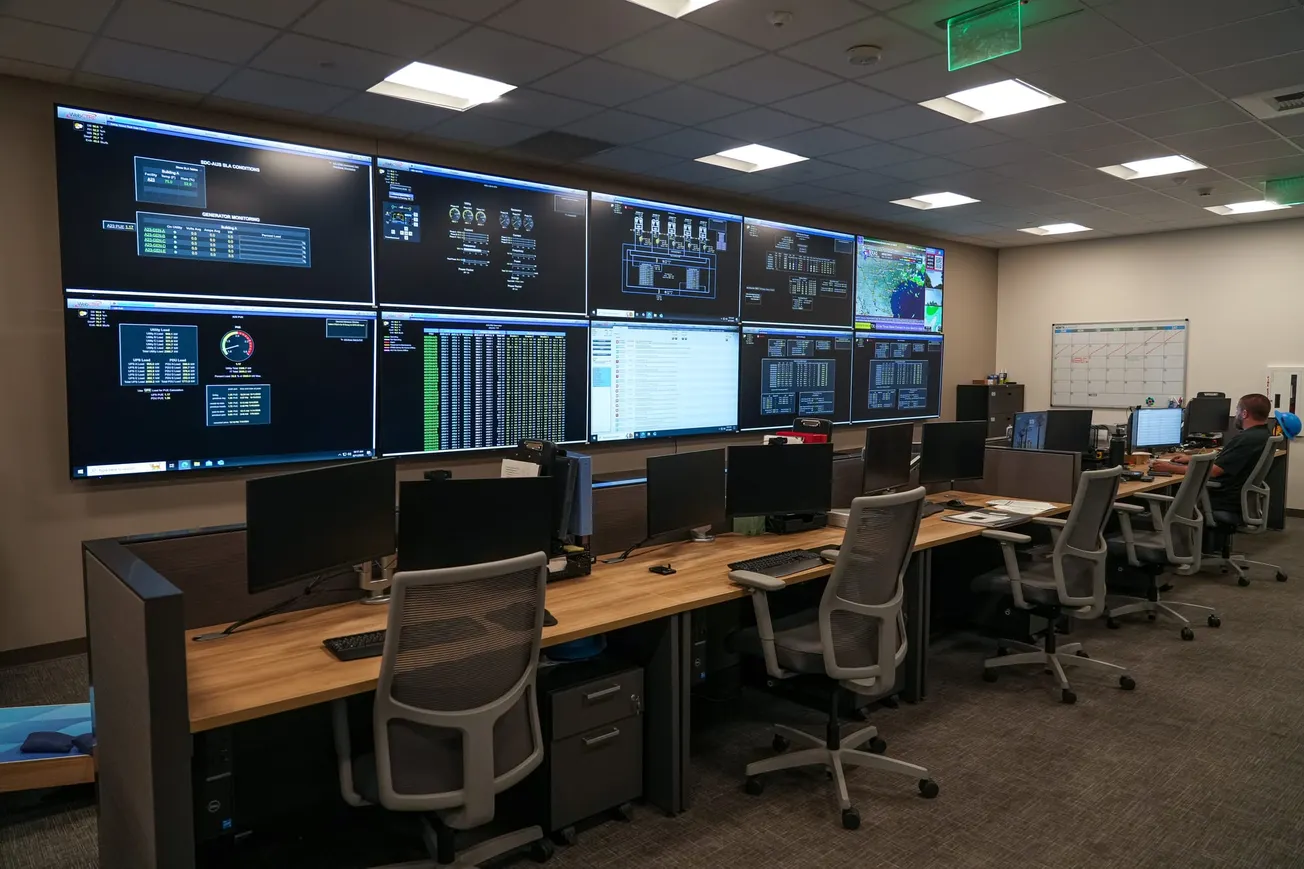
America's Stoic Mental Health Crisis
The Newsmax/TIPP Poll finds 85% of Americans see a mental health crisis. Awareness is at a record high, yet the crisis is getting worse.
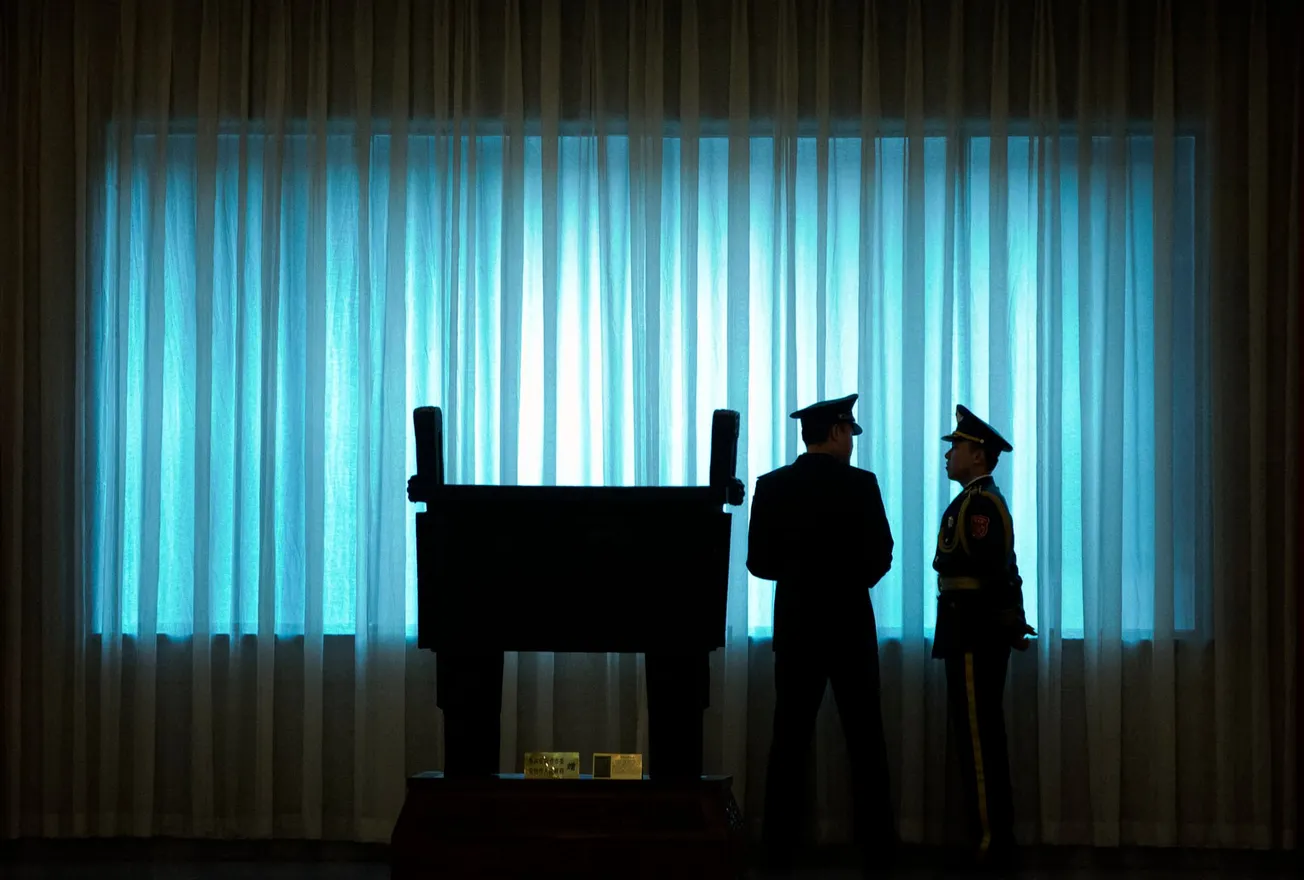
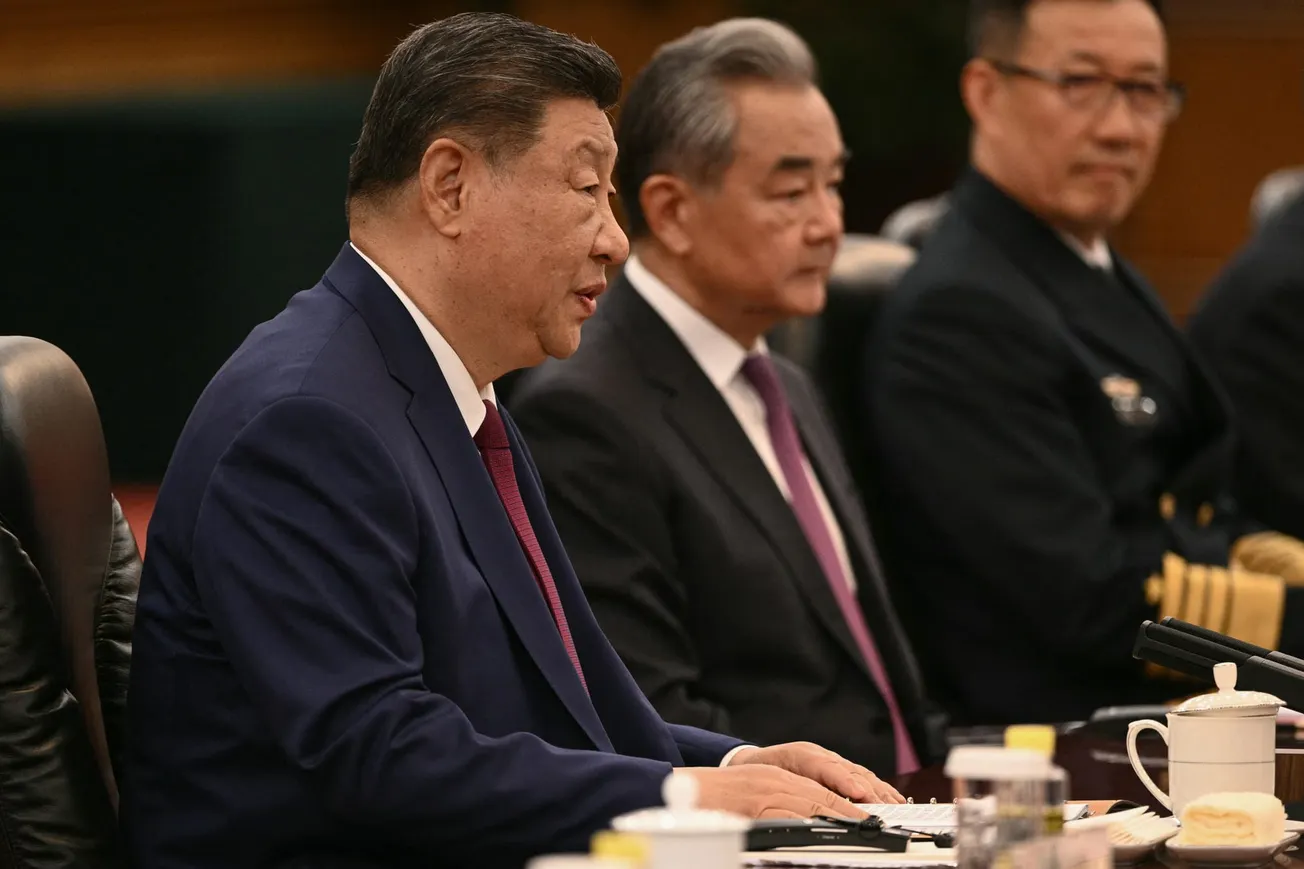
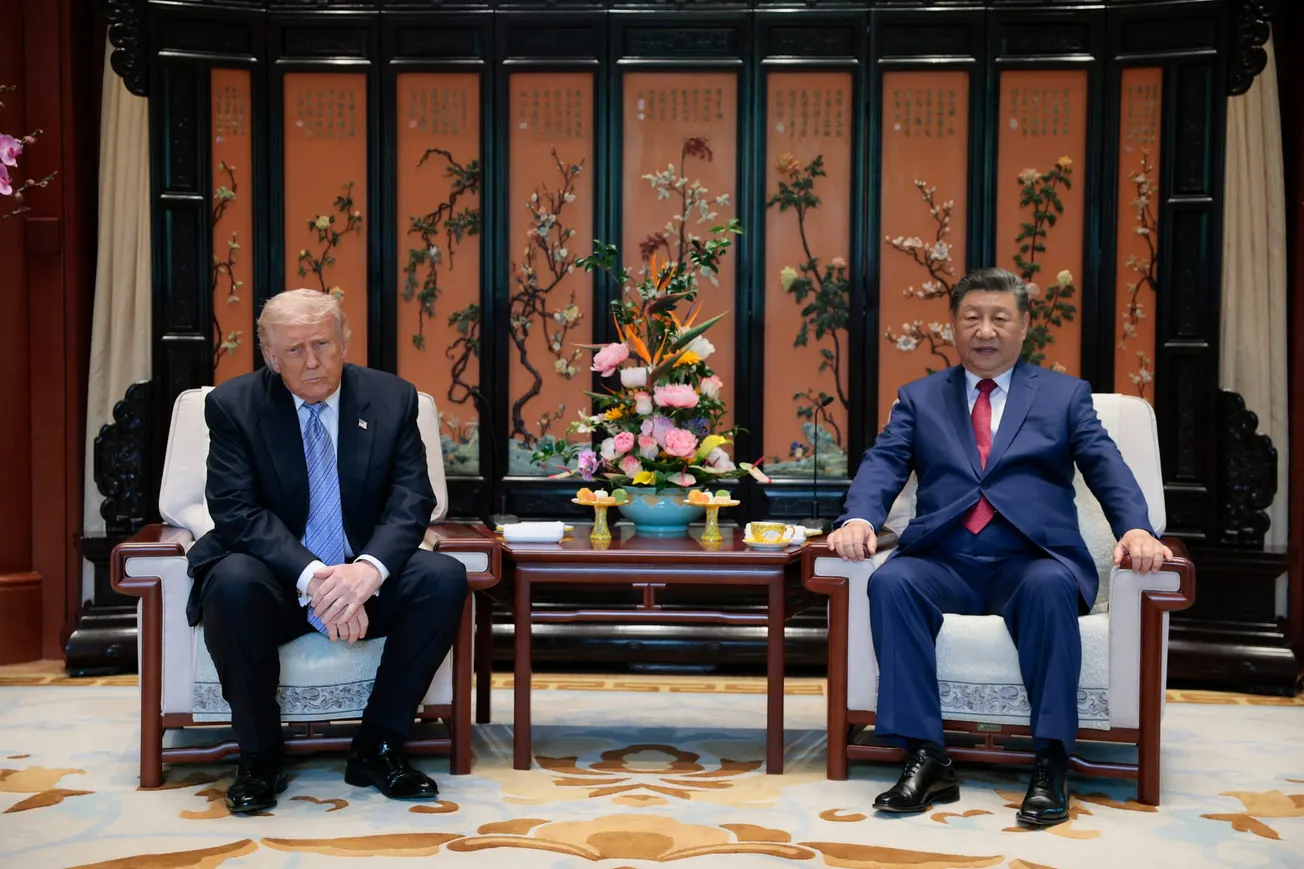
Xi’s Reelection Theater
Every concession since Busan was for one photograph. The photograph was for his fourth term.

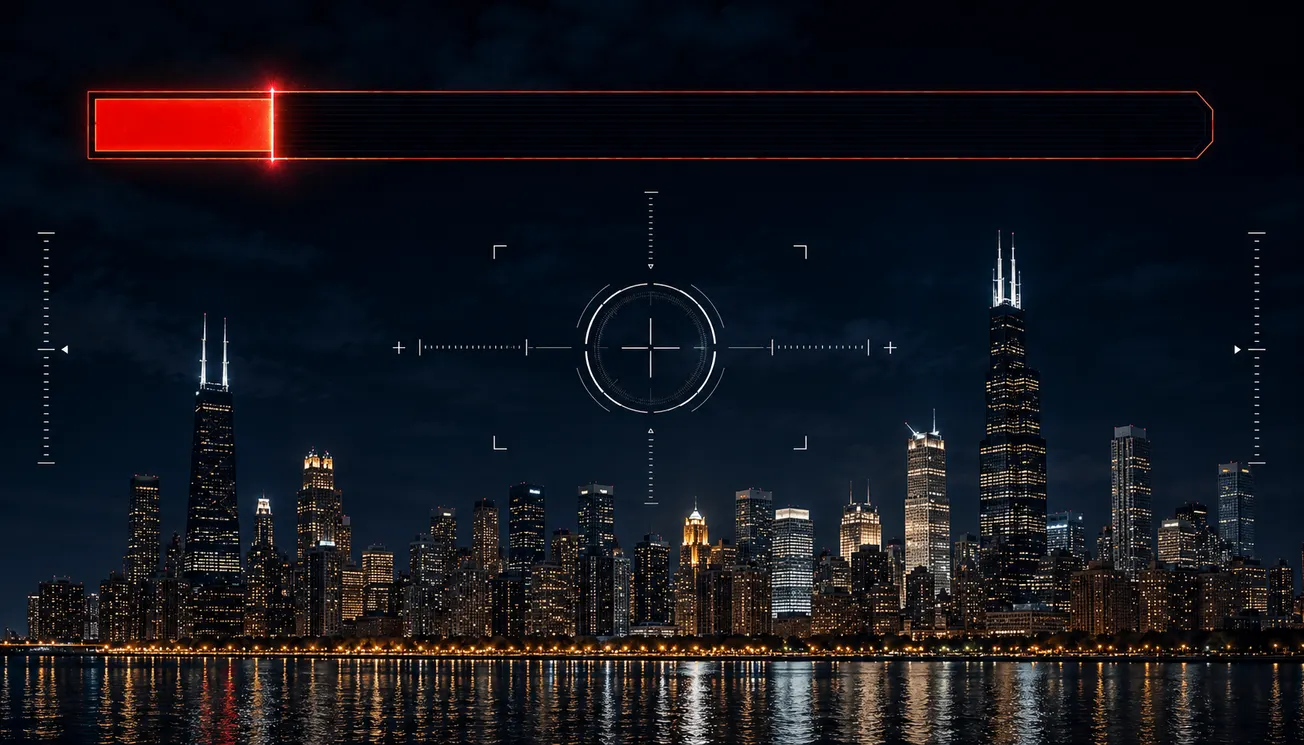
The American Kill Line
The viral Chinese meme that explains everything wrong with Beijing's reading of America.

Trump Owns the GOP
Cassidy, Raffensperger, and Massie all lost their primaries this week. The media is still blind to what every GOP voter sees.
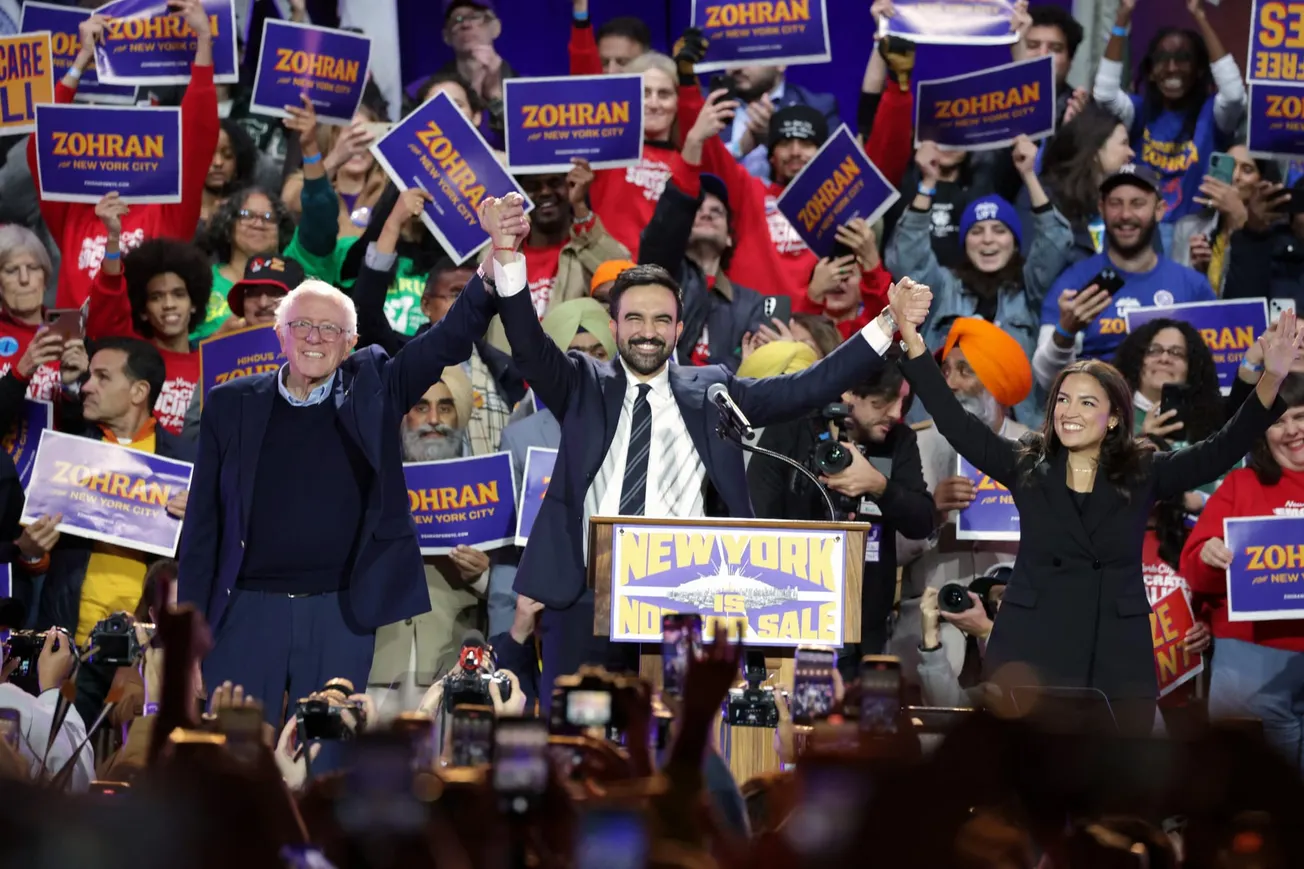
Scandinavia On The Hudson
New York City is testing democratic socialism on its commuters, travelers, and working poor. The bill is coming due.



Tehran's Blackmail
When Iran called the Strait of Hormuz its territory, one hundred thirteen countries disagreed.
The Handshake In Beijing
The summit is a photograph unless President Trump forces Xi to move on Iran.
The Death Sentence
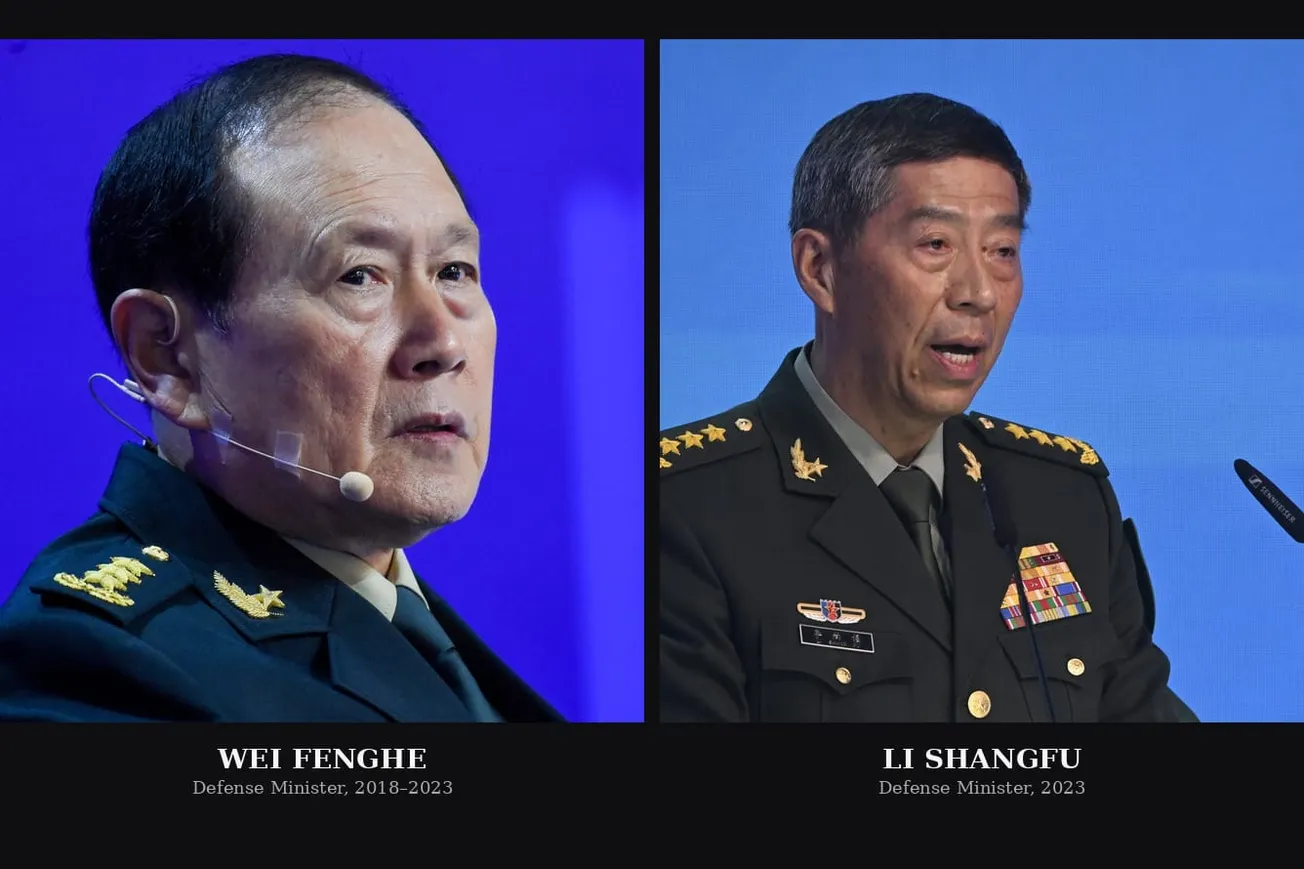
Xi Jinping is purging the men he handpicked. The army he is left with cannot fight the war he keeps threatening.
Mr. President, Don't Go To China
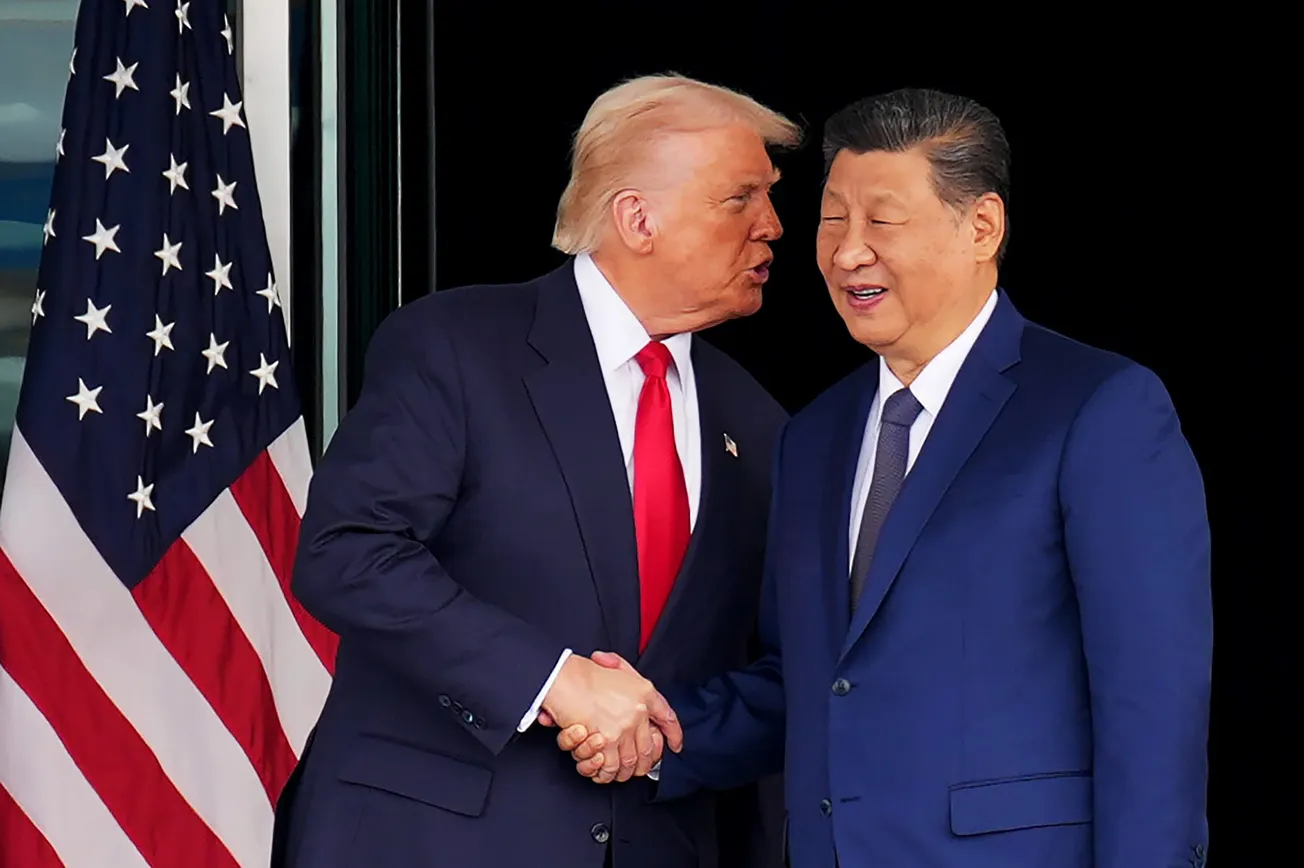
Beijing is funding a regime that is killing American troops. Conducting a state visit now rewards the patron.
What The Ceasefire Couldn’t Fix
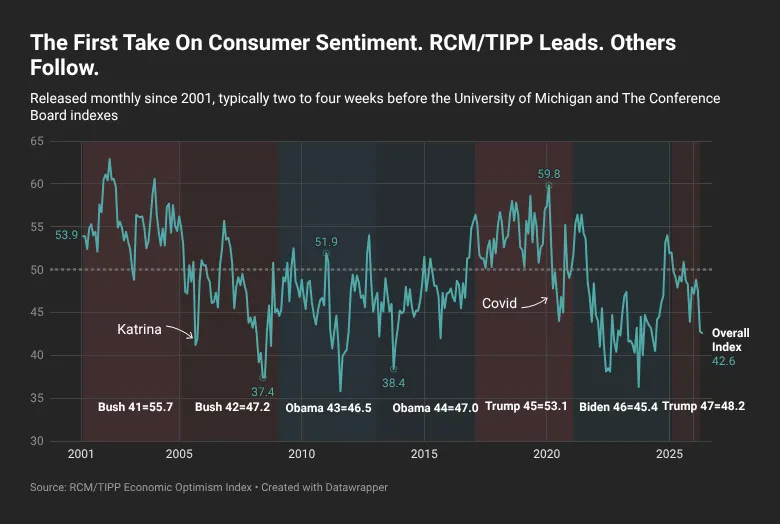
Last month, 20 of 21 groups saw optimism fall. This month, 20 of 21 saw stress fall. But the headline sentiment index barely budged. Relief is not the same thing as recovery.