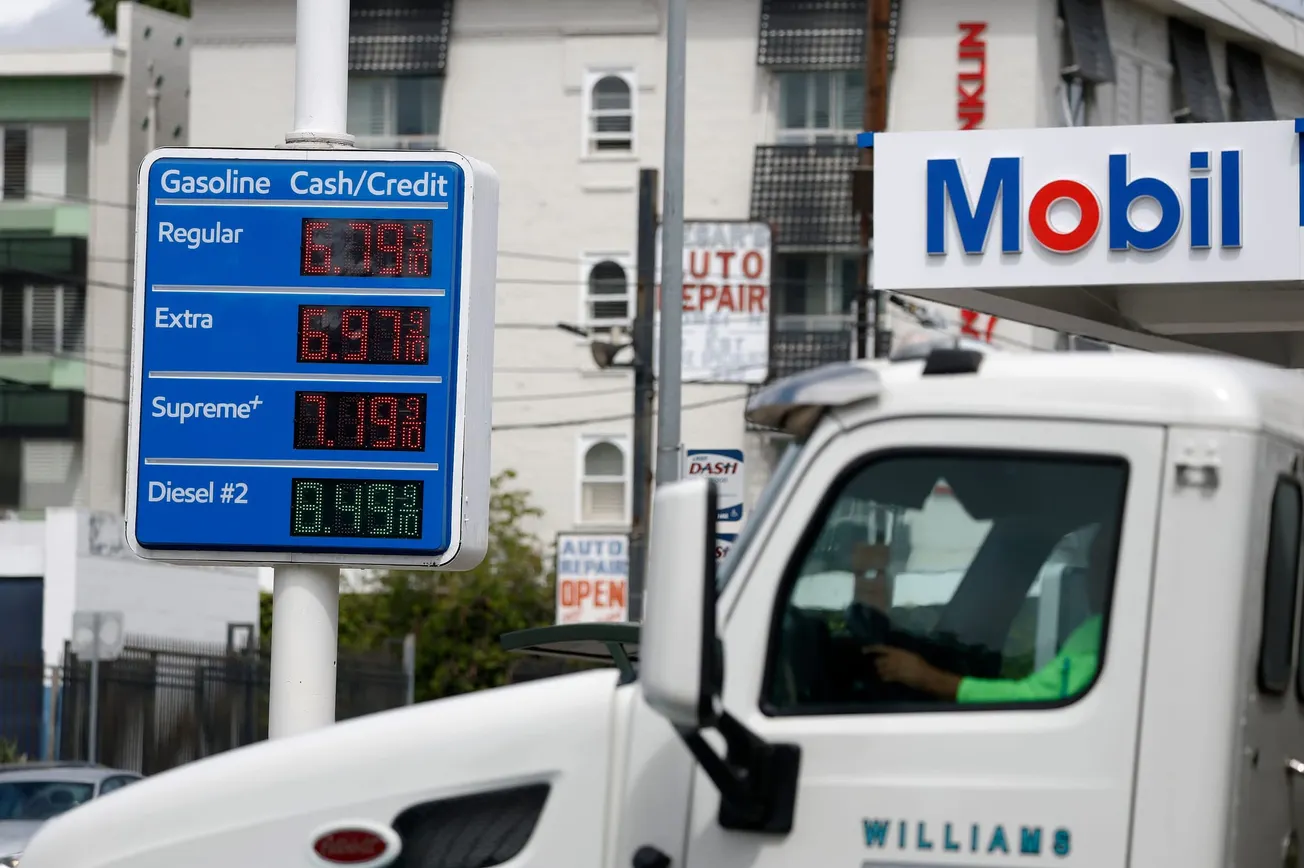
This spring in Doha, I watched missile defenses streak across the night sky while alarms screamed from every phone in the room as the U.S.-Iran war spilled across the Gulf. Iran tightened its grip on the Strait of Hormuz, shipping slowed, and oil prices surged. Within days, Americans were paying more for fuel, freight, and goods across the economy.
Roughly one-fifth of the world's oil moves through the Strait of Hormuz. When traffic through the Strait slows, prices rise, shipping costs jump, and the damage spreads far beyond the Gulf.
America knows its energy infrastructure is vulnerable. Washington still moves too slowly to build it.
The Dakota Access Pipeline runs from the oil fields of northwest North Dakota to a major oil terminal in Patoka, Illinois. It is what preparation looks like before a crisis hits.
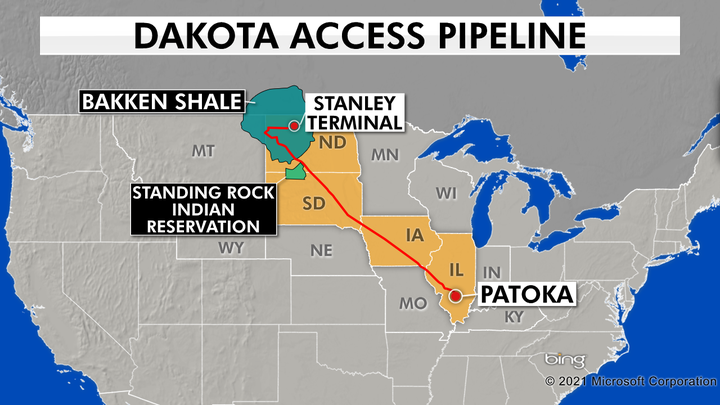
Since DAPL began operating in 2017, it has carried more than a billion barrels of Bakken crude and now transports up to 750,000 barrels a day to refineries in the Midwest and Gulf Coast. The pipeline cut transportation bottlenecks, reduced rail and truck traffic, and strengthened domestic supply.
When the Strait came under pressure, North Dakota had already built part of the answer.
America needs more of that approach now: stronger energy infrastructure, faster permitting, a modernized electric grid, and new projects built before the next crisis hits, not after.
I have watched this argument play out for twenty-five years. In 2001, on Alaska's North Slope with Interior Secretary Gale Norton, the debate was offshore drilling and how much leverage America should hand to unstable regions overseas. Weeks later, beside stripper wells outside Tulsa, Norton reminded the country that “every drop counts.” Years later, alongside the National Sheriffs' Association during the Dakota Access protests, the lesson sharpened: America has made it nearly impossible to build legal, approved energy infrastructure, even when national security is on the line.
America expanded oil and gas production, LNG exports, and parts of its nuclear and renewable sectors over the last two decades. But the country still permits pipelines, refineries, transmission lines, nuclear plants, and major projects like it has decades to spare.
The Strait of Hormuz showed what happens when a country knows what it needs to build and still moves too slowly to build it. America must build faster, before the next supply shock makes the decisions for us.
First, rebuild the Strategic Petroleum Reserve.
The SPR held about 393 million barrels the week of May 1. At its 2009 peak, the reserve held 726.6 million barrels. America now stores barely more than half the oil it once kept for emergencies, despite storage capacity of roughly 714 million barrels.
Washington should set a floor of at least 500 million barrels and refill during lower-price periods. Emergency reserves only matter if the barrels are already there.
Second, build the pipes, wires, terminals, and refining capacity that move energy.
The Permian Basin in Texas and New Mexico still faces pipeline bottlenecks during production surges. Appalachia's natural gas fields from Pennsylvania to West Virginia hold massive reserves, yet projects like the Mountain Valley Pipeline spent years stuck in lawsuits and permitting fights. LNG export terminals along the Gulf Coast keep getting delayed even as allies search for alternatives to Russian and Middle Eastern energy.
The Grain Belt Express transmission line from Kansas to the Midwest and the SunZia project connecting New Mexico and Arizona spent years buried in permitting battles, lawsuits, and overlapping federal reviews before construction advanced.
The United States has roughly 18 million barrels per day of refining capacity across 132 operable refineries, and several of those have closed or are scheduled to close. The country has not built major new refining capacity in decades.
Washington buried major energy projects under lawsuits, overlapping reviews, and endless permitting fights. America cannot build critical infrastructure at crisis speed while approving it at bureaucratic speed.
Third, accelerate advanced energy projects.
Nuclear power, geothermal, and battery storage are becoming part of the grid America will depend on. Geothermal projects spend years moving through overlapping federal reviews. Mining permits for lithium, copper, and rare earth minerals often take close to a decade. Nuclear plants face endless licensing and permitting delays.
America already knows how to build these projects. It keeps stopping itself.
Faster permitting, streamlined reviews, expanded transmission, and quicker national approvals would do more for long-term energy security than another decade of delays.
Fourth, finish the LNG export terminals before our allies stop waiting.
Europe spent three years weaning itself off Russian gas. Japan, South Korea, and Taiwan are watching the Strait of Hormuz and asking whether American supply is reliable enough to sign twenty-year contracts. Every Gulf Coast terminal stuck in federal review is an ally pushed toward Qatar or Algeria instead.
Energy exports are not a climate issue. They are a foreign policy weapon. America is the only country that can be Saudi Arabia and Norway at the same time, and Washington keeps acting like it is neither.
Most Americans do not think about the Strait of Hormuz while filling a minivan in Fargo. They think about it the morning gas hits five dollars and the freight bill on the produce aisle jumps with it.
North Dakota learned the lesson the hard way: build first, argue later. The next chokepoint will not wait for Washington to finish arguing.
Mark Pfeifle is a member of the TIPP Insights Editorial Board. He runs the crisis management firm Off the Record Strategies. He served as deputy national security adviser for strategic communications and global outreach at the White House from 2007 to 2009.
The stories and data that matter today — selected by the TIPP Insights editorial team.
Global Affairs
Why Trump Says U.S.-Iran Ceasefire Is 'On Life Support'
Why Trump Rejected Iran’s Latest Ceasefire Proposal
Voters Lukewarm On U.S.-Iran War, As Majority Oppose Use Of Ground Troops In Iran: I&I/TIPP Poll
Which Issues Are Driving Trump’s First China Visit Since 2017
How Labour Could Remove Keir Starmer As PM—TIPP Infographics
What Is Driving China’s Massive Car Export Growth
National Affairs
Pentagon Stockpile Debate Sparks Clash Between Hegseth And Kelly
Why Millions Of Americans Could Receive IRS Refunds
Hantavirus Scare: Nebraska Facility Evaluates U.S. Passengers From Deadly Cruise Outbreak
Suspect Pleads Not Guilty After White House Shooting Incident
GOP Pushes ICE Funding Bill Amid White House Ballroom Debate
Preservation Group Challenges Trump’s Blue Reflecting Pool Plan
Markets & Business
How Many Employees Are Affected By GM’s IT Layoffs
Alphabet On Cusp Of Becoming World’s Biggest Company—TIPP Infographics
How OpenAI Is Working With The EU On Cybersecurity Concerns
How The Hantavirus Outbreak Triggered Pharma Stocks Surge
Letters to the editor email: editor-tippinsights@technometrica.com
Subscribe Today And Make A Difference. Consider supporting Independent Journalism by upgrading to a paid subscription or making a donation. Your support helps tippinsights thrive as a reader-supported publication. Contact us to discuss your research or polling needs.
Reach our audience. For sponsorship and advertising opportunities, visit our Partner With Us page.