By Nina L. Khrushcheva, Project Syndicate | Jul 13, 2026
From relentless Ukrainian drone strikes to soaring inflation and fuel shortages, Russia is paying an ever-higher price for Vladimir Putin's war of choice. But the war has become the organizing principle of Putin’s regime, leaving no path to lasting peace without a fundamental political transformation.
MOSCOW—Karl Marx once wrote that theory becomes a material force the moment it grips the masses. Soviet leaders took that line and ran with it—straight into catastrophe—again and again. Vladimir Lenin turned it into a rationale for revolution, while Joseph Stalin used it as a license to starve and work millions of people to death in pursuit of rapid industrialization and a “bright future” that never arrived. Nikita Khrushchev, for his part, invoked it to legitimize de-Stalinization in 1956, as though history could simply be ordered onto a different path.
While the objectives changed, the governing logic remained the same. The Kremlin first decides what reality ought to be, then forces people to conform to its vision, no matter the cost. Vladimir Putin’s war in Ukraine is the latest chapter in that story, and this summer, the costs are becoming impossible to ignore.
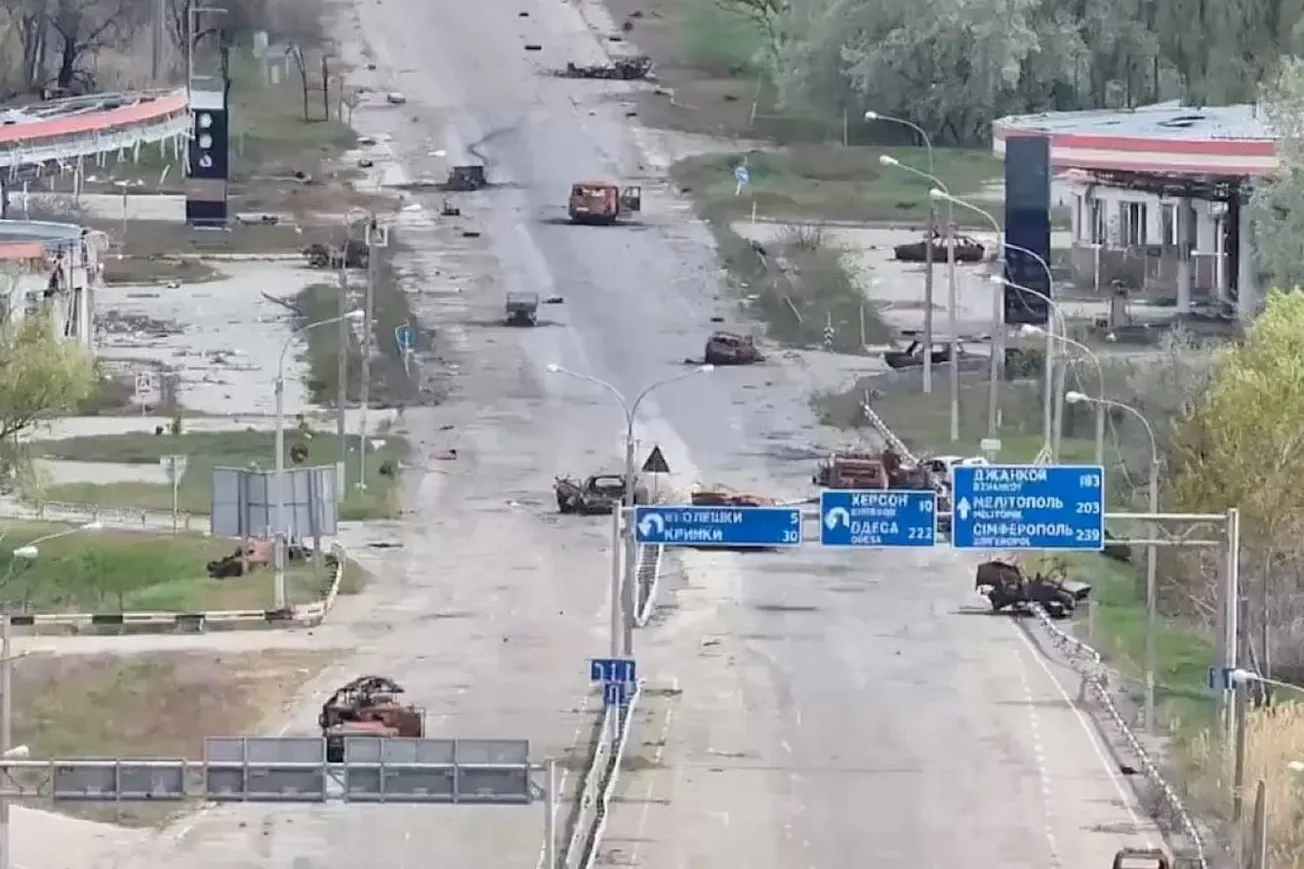
Over the past four years, Ukraine has become remarkably adept at making Russians feel the impact of a war they were never supposed to experience. When Putin launched his “special military operation” in February 2022, Russians were promised a short, victorious campaign that would leave their daily lives untouched. Instead, Ukrainian drones now reach deep into Russian territory, striking oil refineries, factories, and energy infrastructure with increasing regularity.
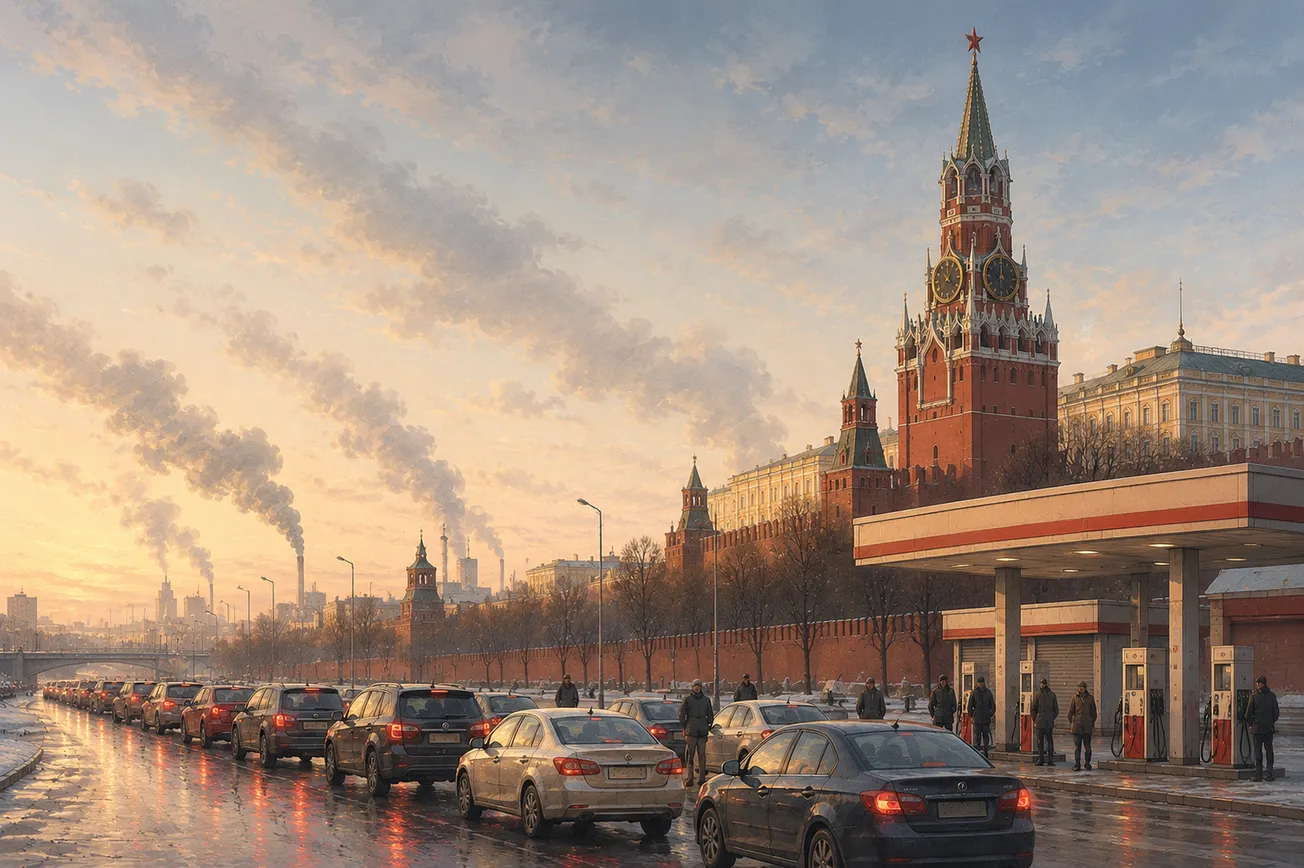
The cracks are beginning to show: a budget deficit of more than six trillion rubles ($83.5 billion), soaring inflation, and gas lines stretching along roadsides from Moscow to Vladivostok. Putin himself watched smoke rise over St. Petersburg during his beloved economic forum—the annual event where he eagerly showcases Russia’s global relevance.
Ukraine’s government has repeatedly proposed an energy truce: it will stop striking refineries if Russia stops bombing Ukrainian energy infrastructure. President Volodymyr Zelensky has framed the relentless strikes on what he calls the “island of Moscow” as a way of pressuring Putin toward peace. The logic seems straightforward: public disillusionment and rising costs create a clear incentive to de-escalate. By every conventional measure, this is how wars are supposed to end.
The problem is that Putin operates according to a different logic. He did not invade Ukraine to solve a problem but to prove that he could force Zelensky and the West to recognize Russia’s power on his terms. For Ukraine, the war is about survival; for Putin, it is about commanding respect and never appearing weak.
This mindset has deep historical roots. When the Nazis captured Stalin’s son Yakov in 1941, they twice offered to exchange him, first for Hitler’s captured nephew and later for German Field Marshal Friedrich Paulus. Stalin refused both times, delivering the infamous line: “I won’t trade a Marshal for a Lieutenant.”
Stalin’s “Not One Step Back” order became the blueprint for Soviet—and now Russian—inflexibility. Fuel shortages, high prices, and staggeringly high casualties are not crises in Putin’s eyes. Rather, they are the price of victory.
Back in 2022, then-US President Joe Bidendescribed Putin as a “rational actor” who had “miscalculated significantly” by invading Ukraine. Four years later, even as the war reaches Russian soil, nothing fundamental has changed about how Putin operates. If anything, the conflict has only confirmed the second half of Biden’s assessment.
One development does stand out. Putin rarely feels the need to explain himself when his policies become unpopular. Nowadays, with his approval rating having fallen from 84% to 74% since January—a meaningful decline in a country where criticizing the president can get you arrested—he won’t shut up. In just the past couple months, Putin has delivered a keynote at the St. Petersburg economic forum, sat for a lengthy interview with Kremlin propagandist Pavel Zarubin, and made a rare front-line appearance in military fatigues to celebrate the claimed capture of the Donbas town of Kostyantynivka.
Each appearance served the same purpose: to signal that the war is non-negotiable and remains the Kremlin’s overriding priority, having become the organizing principle of Putin’s regime. If more soldiers are needed, more soldiers will be sent. If more missiles are required, they will be launched. None of it depends on public opinion, casualty counts, or gas-station lines.
Putin launched his war in Ukraine to project strength. Ending it under pressure would mean doing so from a position of weakness. For a leader whose authority rests on force and fear, such an outcome would pose an existential threat.
The challenge, however, extends beyond Putin’s political survival. Real peace would require an entirely different Russia: one that provides its returning soldiers with real answers, offers something approaching an explanation (if not an apology), pays reparations to Ukraine, and reopens itself to the world economically and diplomatically.
Instead, the Kremlin has spent the past four years moving in the opposite direction, passing hundreds of restrictive laws that regulate everything from business and education to what Russians are allowed to read, write, and watch. This is not a government that can pivot toward openness, even if it wanted to. Breaking with Putinism would require a political reckoning on the scale of Khrushchev’s 1956 denunciation of Stalin’s cult of personality. To end the war, in other words, the Putin regime would have to stop being the Putin regime.
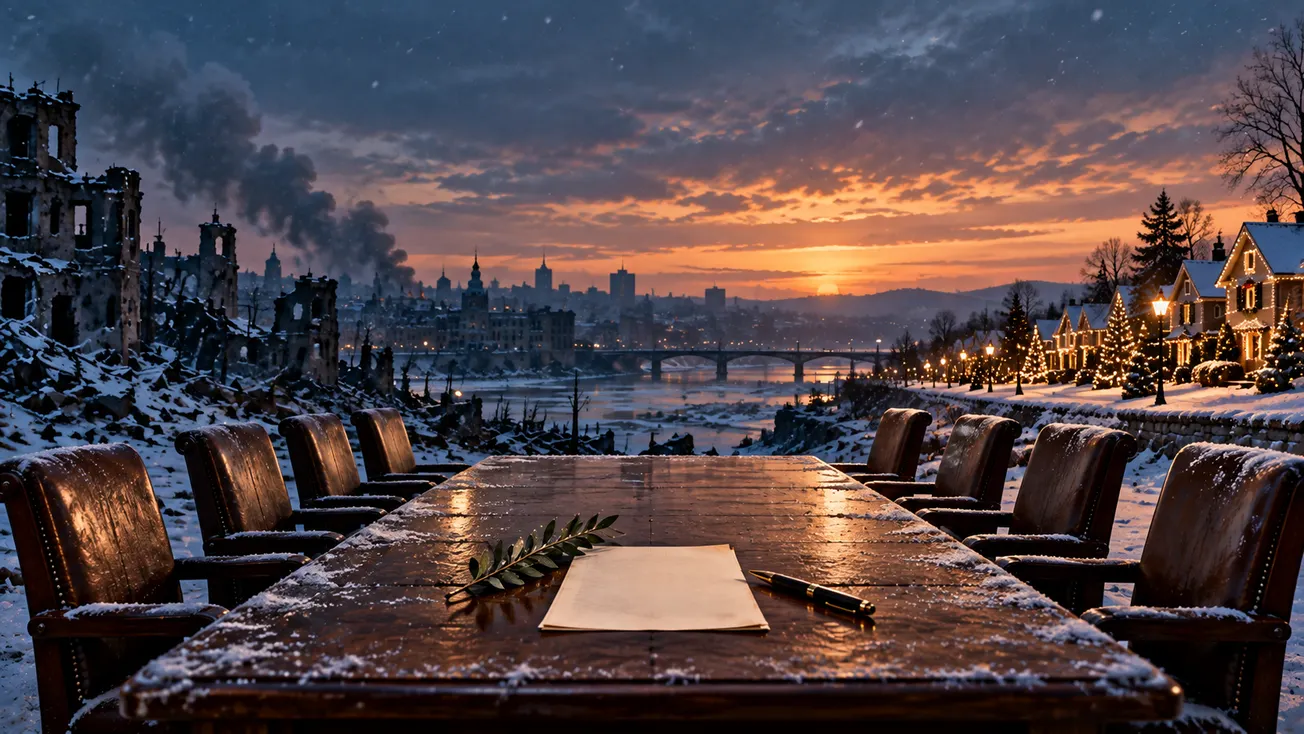
Absent such a political reckoning, only one realistic opportunity for a negotiated settlement remains: December’s G20 summit in Miami. Putin may still be banking on his rapport with US President Donald Trump to broker some kind of resolution. But if the United States snubs him the way it did when Putin offered to help mediate the Iran crisis, Russia may well turn to what might be called the “nuclear option”—an extreme form of escalation—to force peace on its own terms.
For Putin, victory is the entire purpose of the war in Ukraine. Anything less would expose the enormous human and economic sacrifices he has demanded of Russians as pointless, leaving him with a defeat he won’t and can’t accept.
Nina L. Khrushcheva, Professor of International Affairs at The New School, is the co-author (with Jeffrey Tayler), most recently, of In Putin’s Footsteps: Searching for the Soul of an Empire Across Russia’s Eleven Time Zones (St. Martin's Press, 2019).
Loved it, hated it, or somewhere in between — tell us. Grade this article here and help shape what lands in your inbox next.
Copyright Project Syndicate
🧭 Power & Capital · July 13, 2026
Where state power meets the boardroom.
🔷 Fed's Waller Warns Inflation Fight May Not Be Over
🔷 Judge Rebukes Trump Over $10 Billion IRS Lawsuit
🔷 States Launch Antitrust Challenge Against Paramount Deal
🌍 Global Affairs
The world's flashpoints, in motion.
🟥 Strait Of Hormuz Dispute Deepens U.S.-Iran Conflict – TIPP News
🟥 Watch: US Military Strikes Iran – TIPP Videos
🟥 China’s Erasure Of Tibet Is Accelerating – Brahma Chellaney, Project Syndicate
🟥 Watch: 27 Die In Bangkok Pub Fire – TIPP Videos
🟥 Firefighting Planes Draw Water From Seine To Fight Paris Blaze – TIPP News
🏛️ National Affairs
The fights shaping America right now.
🟫 The Fourth Seat – Editorial Board, TIPP Insights
🟫 Why Are Justices Barrett And Kagan Appearing Before Congress – TIPP News
🟫 Trump Backs Lindsey Graham's Sister For Senate Seat – TIPP News
🟫 How Lindsey Graham Became One Of Trump's Closest Allies – TIPP News
🟫 Watch: Sen. Graham A Tough Cookie, Nobody Like Him: Trump – TIPP Videos
🟫 By 3-To-2 Margin, Americans Believe U.S. Is Turning Into A 'Socialist State' – Terry Jones, TIPP Insights
🟫 Diarrhea Outbreak Linked To Parasite Spreads Across Multiple States – TIPP News
📈 Economy
Prices, policy, and the pressure on your wallet.
🟩 U.S.-Iran Strikes Keep Treasury Yields Muted – TIPP News
💼 Markets & Business
The deals and tickers making moves.
🟧 What Is Driving TSMC's Strong AI Chip Growth – TIPP News
🟧 Which Gadgets Are Becoming More Expensive Because Of AI – TIPP News
Letters to the editor email: editor-tippinsights@technometrica.com
Subscribe Today And Make A Difference. Consider supporting Independent Journalism by upgrading to a paid subscription or making a donation. Your support helps tippinsights thrive as a reader-supported publication. Contact us to discuss your research or polling needs.
Reach our audience. For sponsorship and advertising opportunities, visit our Partner With Us page.