
By Todd G. Buchholz, Project Syndicate
It would be easy—and a mistake—to blame the US Federal Reserve’s many blunders on corrupt bureaucrats or imagined conspiracies. The truth of the matter is that the central bank relies on an outdated regional map and lagging indicators that no longer tell the whole story, while battling macroeconomic blazes that politicians stoke.
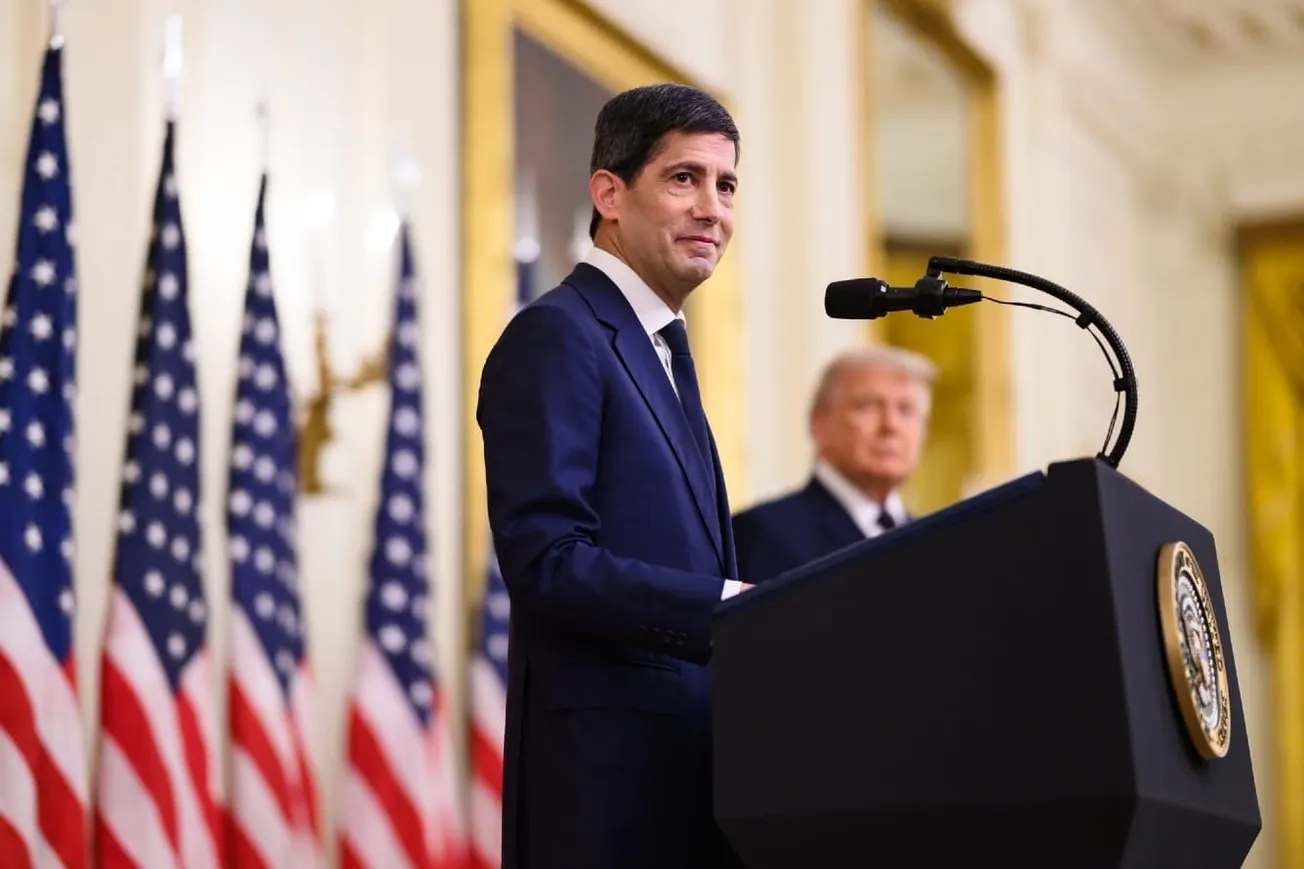
SAN DIEGO—While pilots learn to trust instruments, smart ones know to peek out the window now and then. For too long, the US Federal Reserve Board has behaved like a pilot who stares at his gauges and cites the altitude to the nearest foot but doesn’t see the mountain in the windshield. Kevin Warsh, the new Fed chair, has slipped into the pilot’s seat just as markets debate whether monetary policy should be loosened or tightened. He will need a nimble neck to make wise decisions.
Warsh has rightly criticized the Fed’s past performance. A generation of Americans has grown cynical about economic experts, and you can’t blame them, given all the blunders and bubbles they have suffered through: the 2001 tech bust, the 2008 financial crisis, and the post-COVID inflation surge. Former Fed Chair Jerome Powell and President Biden’s administration mistakenly assured Americans that the recent bout of inflation was “transitory,” even though everything from burgers to insurance and rents suddenly seemed priced for Swiss bankers. With beer prices jumping more than 20% between 2020 and 2026, Joe Sixpack becomes Joe Fivepack.
It would be easy—and a mistake—to grow so cynical as to blame the Fed’s blunders on corrupt bureaucrats, imagined conspiracies, or the construction blueprints tucked into Powell’s briefcase. We don’t need a squadron of forensic accountants rifling through filing cabinets to uncover the truth: the Fed has been honest and stupid.
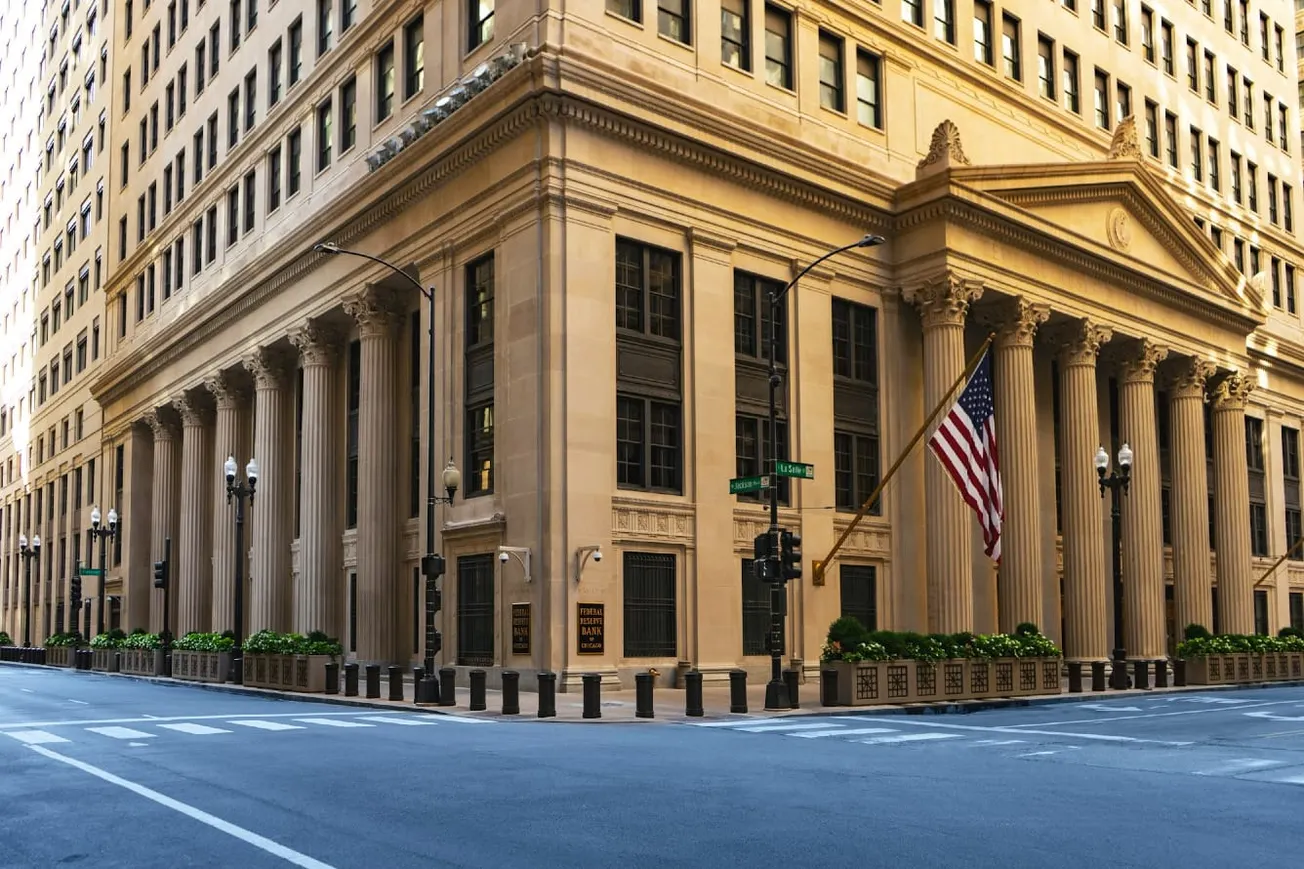
The good news is that it can become smarter. Start by looking at the Fed’s regional map, which immediately illustrates a problem. Created in 1913, it looks like something the 19th-century US explorers Lewis and Clark scratched out on buckskin beside a campfire and a pot of beans. To keep tabs on a country as big as the United States, the Fed has a mere 12 districts, with two full regional Fed banks located in Missouri.
Southern California alone is a global gateway, an entertainment capital, a biotech engine, and a housing-inflation laboratory, where a starter home requires a nonstarter income. But it is just one small part of the San Francisco Fed president’s portfolio, which also includes tech unicorns in Silicon Valley, Alaskan fisheries, and the Pacific island of Guam. Despite this, the head of the San Francisco Fed does not have a greater say than her counterpart in Richmond, Virginia, a powerhouse in oysters and small-batch beers, and gets a vote on the policy-setting Federal Open Market Committee only in alternate years.
The Eastern configuration, for its part, reads like a century-old map printed by the defunct Pennsylvania Railroad: Boston, New York, Philadelphia, Washington, and Richmond.
To fight inflation effectively, Congress should redraw the map. But that solves only half of the Fed’s geography problem. Central bankers must also focus their attention more closely on Washington and the government programs that pump fuel into the economy or choke it. In the early 2000s, Congress and government-sponsored agencies like Fannie Mae and Freddie Mac triggered a real-estate explosion with their reckless drive to push up home-ownership rates. By 2006, nearly one in four new mortgages was subprime (loans with higher interest rates offered to people with risky credit histories). The Fed sat by and watched.
Like the Fed chairs before him, Warsh will spend plenty of time in the congressional hot seat. But why not flip the script so that central bankers periodically interrogate congressional leaders and White House officials about the fiscal and regulatory kindling they gleefully heap on the flames? Monetary policy is not a fire extinguisher for blazes that politicians stoke—and someone should say that under oath.
Lastly, the Fed needs sharper tools. I have been carefully monitoring monetary policy ever since I corresponded with Milton Friedman as a graduate student. But Friedman left the stage before AI, stablecoins, and Taylor Swift launched a concert tour that would earn more than the GDP of dozens of countries. Many of the Fed’s favorite gauges—like bank balances and unemployment claims—are lagging indicators that no longer tell the whole story. Look at how quickly remote work rewired commercial real estate and migration patterns.
The gig economy is a powerful supply-side shock that puts idle resources into play. An empty bedroom becomes an Airbnb, a car parked in a garage is reborn as an Uber, and a retired nurse steps out to give Botox injections. Such an economy runs on companies like Stripe, PayPal, and Shopify, which offer forward-looking clues to the Fed.
Warsh inherits a Fed with an almost-renovated headquarters, reams of real-time data, and a rather embarrassing track record. The good news: institutions, like pilots, can get smarter. But there is no time for delay. Warsh should push Congress to modernize the map, sharpen the Fed’s tools, and remind politicians that monetary policy is not a fire extinguisher to battle their arson. If he pulls it off, Joe Sixpack might be able to afford that sixth can again—and perhaps a down payment on a house.
Todd G. Buchholz, a former White House director of economic policy under President George H.W. Bush and managing director of the Tiger hedge fund, is the author of New Ideas from Dead Economists (Plume, 2021), The Price of Prosperity (Harper, 2016), and co-author of the musical Glory Ride.
🌍 Global Affairs
The world's flashpoints, in motion.
🟦 U.S. Reportedly Denies Israel Access To Iran Deal Before Signing – TIPP News
🟦 Eyes On The Other Ocean – Editorial Board, TIPP Insights
🟦 Trump Says No American Money Will Go To Iran – TIPP News
🟦 Skepticism Grows Inside Trump Administration Over Iran Pact, Report Claims – TIPP News
🟦 Trump Faces Pressure To Release Details Of Iran Framework – TIPP News
🟦 Why Are G7 Leaders Demanding More Details On The Iran Deal – TIPP News
🟦 Russian Dissident Cartoonist Killed Near Belarus Border – TIPP News
🟦 Why Is The UK Investigating A Russian Naval Incident – TIPP News
🏛️ National Affairs
The fights shaping America right now.
🟥 FBI Warns Microsoft 365 Users About Emerging Kali365 Scam– TIPP News
🟥 How Did Federal Agents Stop The Alleged White House Attack Plan – TIPP News
🟥 B-52 Bomber Goes Down After Takeoff, All Eight Onboard Killed – TIPP News
🟥 Probe Finds Biden Education Department Defied Courts To Push Gender Ideology In Schools – Fred Lucas, The Daily Signal
🟥 Ohio Group Gets Visit From FBI Over Voter Fraud Investigation – Rebecca Downs, The Daily Signal
🟥 June Isn’t Pride Month. It’s The Month Dedicated To The Sacred Heart Of Christ. – Thomas Griffin, The Daily Signal
🟥 Here To ‘Help’ – John Stossel, The Daily Signal
🟥 Honoring The Declaration In Richmond – Rich Tucker, The Daily Signal
📈 Economy
Prices, policy, and the pressure on your wallet.
🟩 Tariffs Return To Center Stage As Iran Conflict Recedes – TIPP News
🟩 How Does The US-Iran Deal Affect Fed Chairman Kevin Warsh – TIPP News
🟩 US-Iran Peace Progress Helps Push Treasury Yields Lower – TIPP News
💼 Markets & Business
The deals and tickers making moves.
🟧 SpaceX Beats Microsoft In Market Value After IPO Rally – TIPP News
🟧 What Does SpaceX’s $60 Billion Cursor Acquisition Mean For AI – TIPP News
🟧 ‘Affordability’? Virginia Drives Gun Manufacturer To Cheaper Georgia – Joe Thomas, The Daily Signal
Letters to the editor email: editor-tippinsights@technometrica.com
Subscribe Today And Make A Difference. Consider supporting Independent Journalism by upgrading to a paid subscription or making a donation. Your support helps tippinsights thrive as a reader-supported publication. Contact us to discuss your research or polling needs.
Reach our audience. For sponsorship and advertising opportunities, visit our Partner With Us page.