The ceasefire has been extended, but barely. It’s on life support, and nobody in the room thinks the patient is going to walk out.
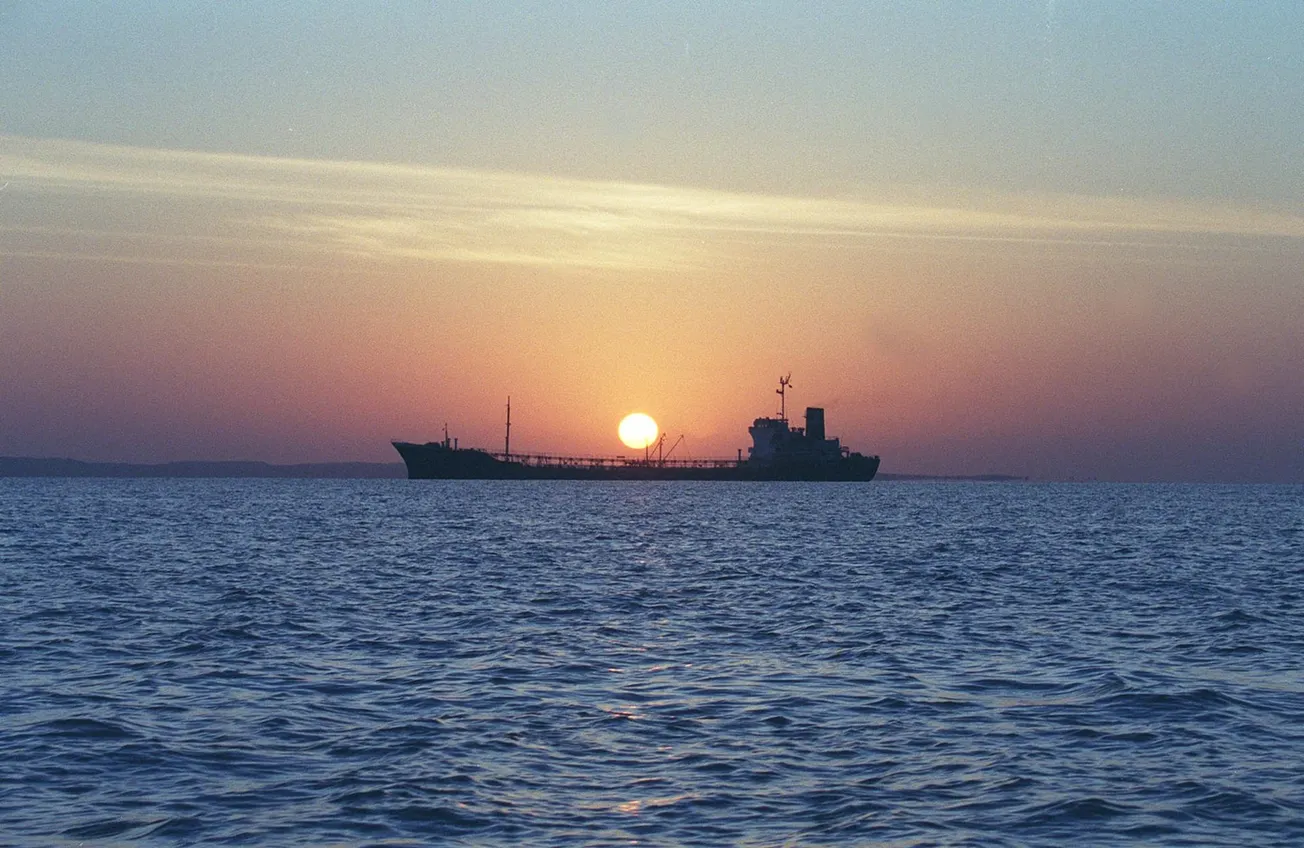
The fight has moved to the Strait of Hormuz, where both sides are testing each other without giving an inch.
Call them peace talks if you want. They’re pressure talks. And the pressure is playing out on the water.
Nothing fundamental has changed. Iran’s nuclear program is intact. Sanctions are still in place. The military is on alert, and the proxy network is waiting for orders.
Ships are stopped. Cargo is seized. Traffic slows. Oil jumps, insurance rates spike, shipping slows, and supply chains start to buckle.
Iranian forces fired on commercial vessels trying to cross the Strait. India summoned Iran’s envoy and lodged a formal protest. Within hours, the United States answered at sea, seizing an Iranian-flagged cargo ship after a standoff.
Before the war, roughly 130 ships a day passed through the Strait. After the latest flare-up, that number dropped to 16 in a single day.
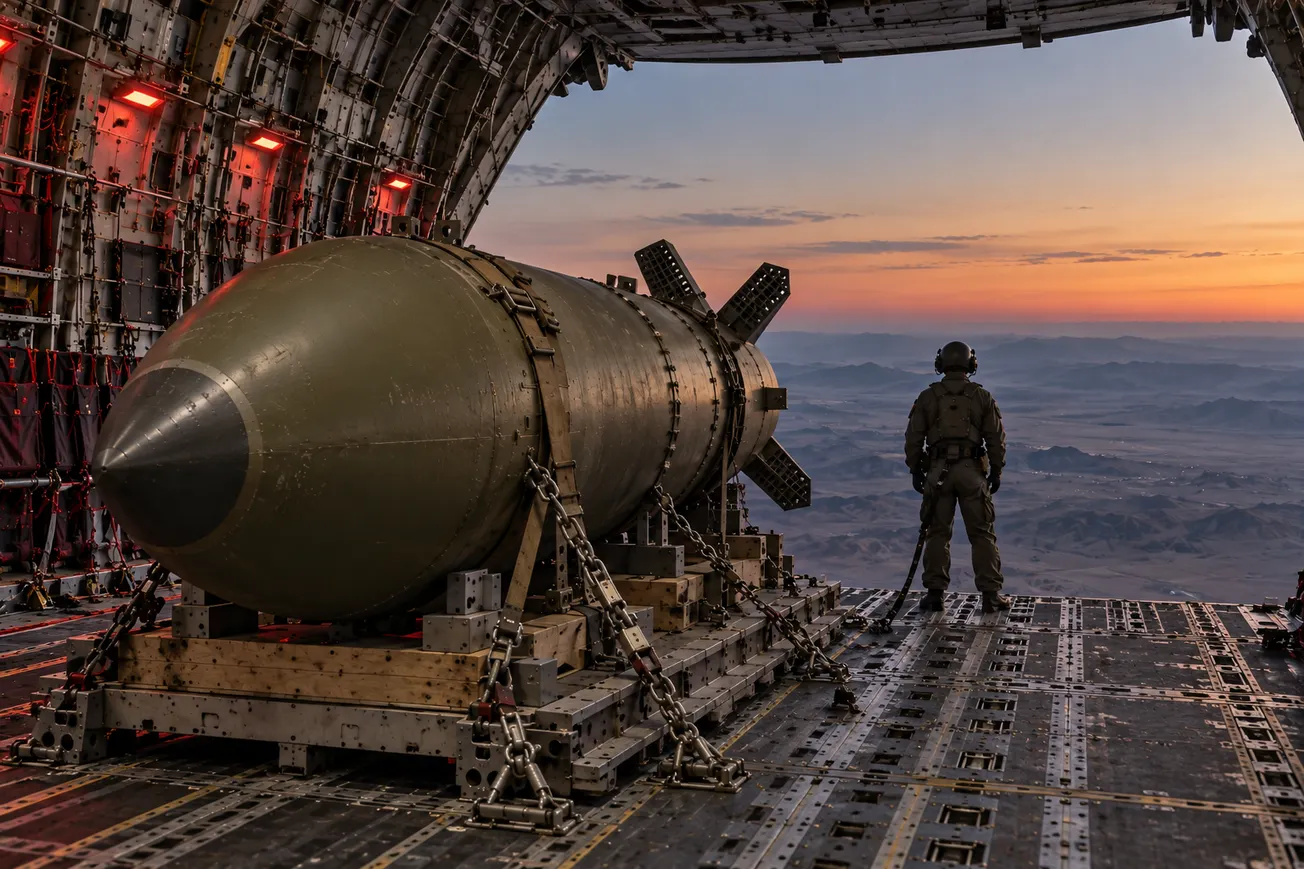
What happens in the Strait is driving decisions in Washington. My sources tell me the Pentagon is ready to act if talks break down.
At the same time, Iran is trying to shape the talks. My sources tell me Tehran would rather deal with Vice President JD Vance. They see him as less likely to escalate and more willing to make a deal.
Iran’s economy is under heavy pressure. Inflation is running near 50%. The rial has collapsed to roughly 1.5 million to the dollar, wiping out purchasing power. Food prices are surging, driving millions closer to poverty.
But economic pain doesn’t always make governments more careful. Sometimes it makes them more reckless. That’s what Washington has to worry about.
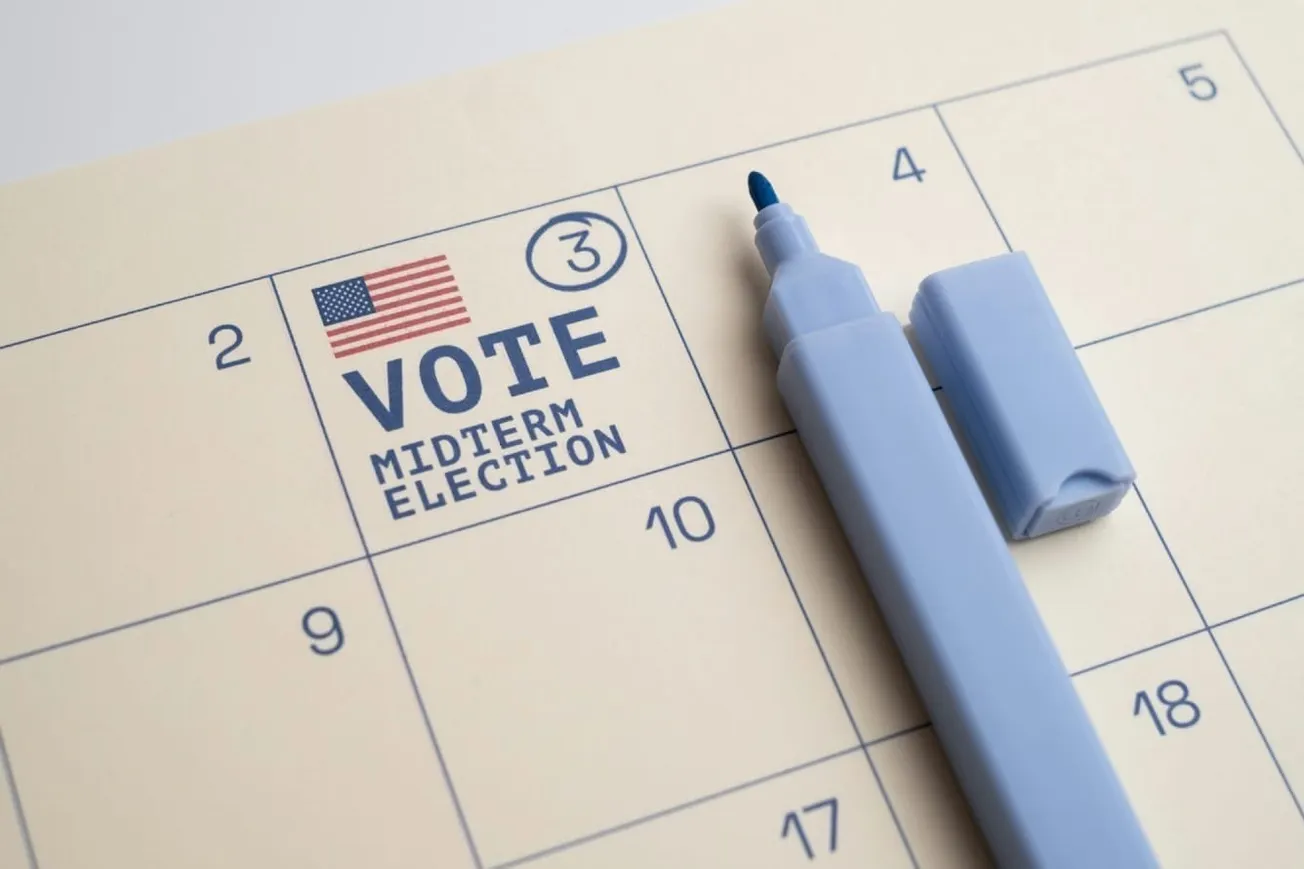
That pressure cuts both ways. Gas is above $4 a gallon, and American voters are starting to feel it.
The American position carries risk. If your strategy is to respond one ship at a time, one warning at a time, you show strength, but you also let the other side set the pace. Tactical control is not strategic control.
The ceasefire buys time. It doesn’t settle anything. Whatever happens next will be decided in the Strait.
Mark Pfeifle is a member of the TIPP Insights Editorial Board. He runs the crisis management firm Off the Record Strategies. He served as deputy national security adviser for strategic communications and global outreach at the White House from 2007 to 2009.
The TIPP Off
What you should be reading right now
Iran War
The Curse Of Persia—Editorial Board, TIPP Insights
The Bluff—Editorial Board, TIPP Insights
The Payroll—Editorial Board, TIPP Insights
Hormuz Today, Taiwan Tomorrow—Todd G. Buchholz, Project Syndicate
Donald Trump Pulls The Trigger— Philip Giraldi, Ron Paul Institute for Peace and Prosperity
Iran War: Sleepwalking Into Starvation—Kurt Nimmo, Ron Paul Institute for Peace and Prosperity
Trump Pushes Fantasy About Iran, Hormuz And Enriched Uranium—Larry C. Johnson, Ron Paul Institute for Peace and Prosperity
Trump's Blockade Is Breaking Iran... And European Elites Are Angry—Tyler Durden, ZeroHedge
Iran Is Not Winning. It Is Unraveling.—James Thorne, X
Pope Leo Dismisses Media Narrative Of Rift With Trump—Thomas Wong, Daily Caller News Foundation
Economy
GOP Must Own The Tax Cut Message—Larry Kudlow, TIPP Insights
The Best Contrary Indicator On Wall Street May Be Your Neighbor—Editorial Board, TIPP Insights
When Washington Gets Tax Policy Right, Small Businesses Thrive—Karen Kerrigan, SBEC
Adam Smith on the US Midterms—Glenn Hubbard, Project Syndicate
Uncovering Gold’s Secret History—Joakim Book, Mises Wire
Energy Secretary: Gas Prices Could Stay Above $3 Per Gallon Until Next Year—Leah Douglas, The Daily Signal
Money-Supply Growth In 2026 Rises To Multi-Year—Ryan McMaken, Mises Wire
High As The Fed Pumps New QE—Ryan McMaken, Mises Wire
What 1971 Set In Motion—Attila Rebak, Mises Wire
Artificial Intelligence
When AI Agents Trade With AI Agents, Price Discovery Dies— Hamoon Soleimani, Mises Wire
AI Isn’t The Future Of Our National Security. It’s The Present.—Joseph Dunford, Frances Townsend & Michael Morell, The Daily Signal
Politics
DeSantis’ Respect For Byron Donalds Could Be Why He Hasn’t Endorsed A Successor, GOP Leaders Say—Pedro Rodriguez, The Daily Signal
DOJ’s Harmeet Dhillon Details Just How Much Of A ‘Mess’ Voter Rolls Are—Harold Hutchison, Daily Caller News Foundation
How Will SCOTUS Respond To NJ Tightening Its Hold On Nonprofits?—Autumn Christensen, The Daily Signal
James Carville Gives a Terrifying Glimpse of Democrats’ Future Governing Agenda—Charles C. W. Cooke, NRO
Why I’m Becoming a Republican—Alan Dershowitz, WSJ
Society
Young Men Becoming Increasingly Religious, Polling Confirms—Dan Hart, The Daily Signal
Freedom For Home Distillery!—Dan Greenberg, Ron Paul Institute for Peace and Prosperity
434,450 Reasons To Defund Planned Parenthood—Melanie Israel, The Daily Signal
Jesus And The Christian Socialist’s Problem Of Evil—Joshua Mawhorter, Mises Wire
There’s No Academic Freedom To Incite Hatred— Yaakov Menken, The Daily Signal
📊 Market Mood — Wednesday, April 22, 2026
🟩 Markets Rise on Ceasefire Extension Relief
U.S. futures climbed after Trump extended the Iran ceasefire, easing near-term geopolitical fears.
🟧 Oil Stays Elevated Despite Truce
Crude held near $100 as disruptions in the Strait of Hormuz continued to constrain supply.
🟦 Fed Independence Back in Focus
Warsh reiterated the Fed’s autonomy, keeping rate expectations stable amid political pressure.
🟨 Earnings Strong, But Costs Bite
Corporate results held up, though higher fuel costs began squeezing margins in sectors like airlines.
🗓️ Key Economic Events — Wednesday, April 22, 2026
🟧 10:30 ET — Crude Oil Inventories
Expected at -1.000M (vs. -0.913M prior), offering a read on tightening supply as energy markets remain sensitive to Middle East disruptions.
editor-tippinsights@technometrica.com