By Joseph Zeira, Project Syndicate | November 6, 2026
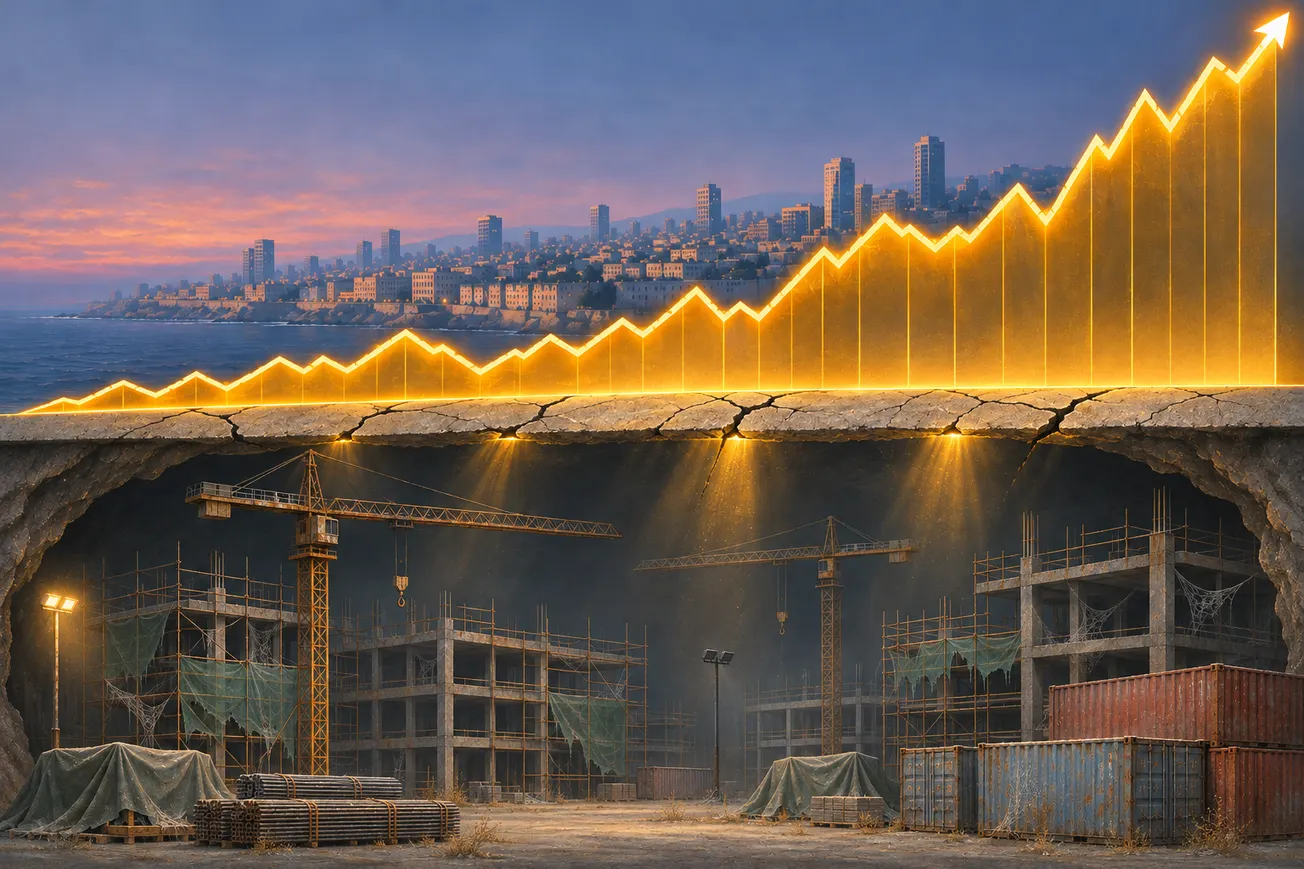
Israel’s economy may look strong, but three years of war have inflicted far greater damage than its robust stock market and appreciating currency suggest. Defense spending and government borrowing have risen sharply, while falling output and investment point to a prolonged recession.
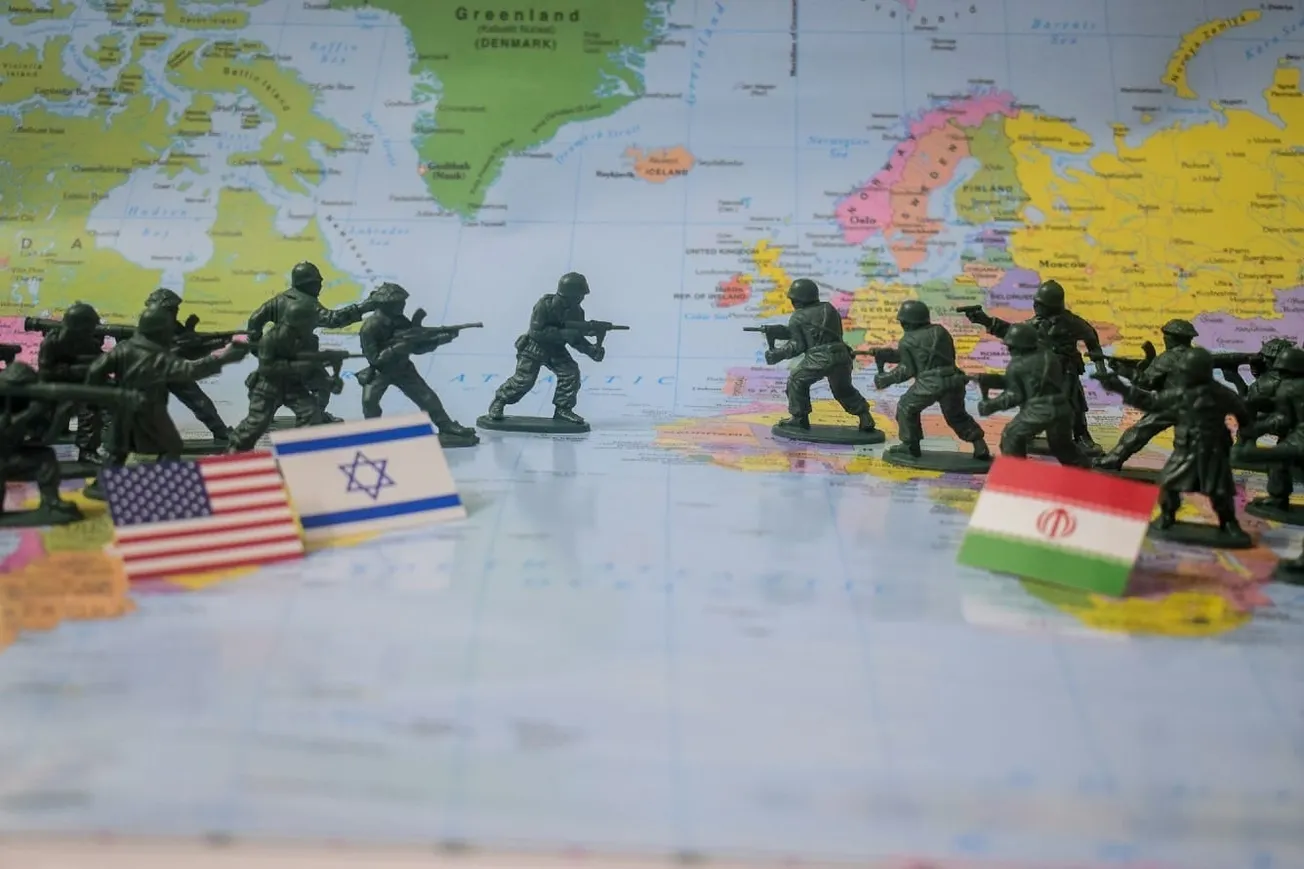
JERUSALEM—Israel’s election results make weeks of political negotiation all but certain. What is equally clear is that whatever government eventually takes office will need to begin reckoning with the mounting costs of Israel’s ongoing wars.
Although Israel has been at war since October 2023, many observers argue that its economy has held up remarkably well, pointing to the booming stock market and the strength of the shekel as evidence. Has it?
The answer depends on how we measure the economic costs of war. Direct budgetary costs are measured primarily by the increase in defense expenditures. But then there are indirect costs, reflected in the impact on the business cycle, and the precedents are clear: Since the First Intifada in 1987, every major flare-up of the Israeli-Palestinian conflict has triggered a recession.
Israel’s defense expenditures have risen from roughly 4.2% of GDP in 2022 to 7.8%, adding more than $1,600 per person in annual costs. The government has financed this increase through borrowing. Since the economic stabilization program of 1985, Israel’s budget deficit has remained low, averaging 3% of GDP, which kept government debt at around 60% of GDP. But the deficit rose from 1.8% of GDP in 2022 to 7.1% in 2023 and 9% in 2024, before declining to 6.5% in 2025.
The total increase in the deficit above its long-term average was therefore about 13% of GDP, far exceeding the increase in defense spending. This likely reflects other war-related expenses, including the evacuation of large populations from border areas, which was also funded by deficit spending.
Debt financing shifts the fiscal burden of war onto future generations while massively increasing it through higher interest payments. That was the case in the 1970s, when the 1968–70 War of Attrition and the 1973 Yom Kippur War pushed the fiscal deficit to 15% of GDP.
Until 1980, Israel experienced only two recessions, thanks to rapid economic growth during the country’s early years and the wars against the conventional armies of Egypt, Syria, and Jordan. Sustained growth required heavy investment, which boosted aggregate demand, as did the rise in military spending.
Those conventional wars ended following Israel’s 1979 peace agreement with Egypt, as the other Arab countries could no longer form a viable military coalition against Israel. Defense spending fell from approximately 20% of GDP in 1980 to around 5% in the decade before October 2023.
With the decline in military spending, Israel’s economy became more prone to recessions. The First Intifada was followed by the 1989 recession, which ended because of the increased demand that followed the arrival of nearly a million immigrants from the former Soviet Union beginning in 1990. Prime Minister Yitzhak Rabin’s assassination in 1995 and the subsequent resumption of hostilities with the Palestinians led to another recession in 1997–99. A third recession, in 2001–04, was triggered by the Second Intifada, which erupted in September 2000.
These bouts of violence are more likely to trigger recessions because they tend to have no clear end, which increases uncertainty and thus discourages investment. Unlike wars fought beyond Israel’s borders, conflicts with the Palestinians directly affect Israelis’ daily lives. People visit shopping centers less frequently and postpone purchases of durable goods, and tourism also suffers.
The Gaza War appears to be no exception. In the fourth quarter of 2023, Israeli GDP shrank by 5.4%. It took more than a year to recover to its previous level, and it remained below its long-run trend at least until the second quarter of 2026. Business-sector GDP fell by 9.9% in the fourth quarter of 2023 and is still below trend. Investment also fell by 25% after October 2023 and has not yet returned to its pre-war level.
Meanwhile, Israel’s unemployment rate has risen only slightly since October 2023. This can be explained by the extensive mobilization of around 200,000 reservists—5% of the labor force—since the start of the war. With reservists’ wages covered by the National Insurance Institute, their employers could avoid layoffs despite falling demand.
One might expect increased wartime risk to drive down stock prices. But lower investment also reduces the amount of capital in the economy, boosting returns. This compensates investors for taking greater risks, which helps explain why stocks have remained relatively stable over the past three years.
Consider the long-run effects of the Israeli-Arab conflict on capital intensity. For more than 50 years, the average capital-output ratio in Israel’s business sector has been one, compared with 1.6 in the United States. As I show in my 2021 book, this gap can be attributed to higher risk. The gross return on capital in Israel is around 33%, while in the United States it is only 21%. Thus, Israel’s high stock prices do not necessarily signal a strong economy. They may instead reflect capital scarcity that drives up profits.
To understand why the shekel is so strong, we must turn to another consequence of the war: increased US aid to Israel. Before the war, annual US aid amounted to nearly $4 billion, less than 1% of Israeli GDP. The Bank of Israel has sought to prevent the shekel from appreciating by holding foreign-currency reserves worth around 30% of GDP. Maintaining this ratio while the economy grows at its average annual rate of 3% requires annual dollar purchases roughly equal to what the US sends Israel each year in military assistance.
But the war has led to a sharp increase in US aid. While in office, former President Joe Biden approved $20 billion in arms sales to Israel. President Donald Trump has also expanded US support. This more than doubles the inflow of dollars to Israel, pushing up the shekel’s exchange rate.
To assess Israel’s economic performance over the past three years, then, we must look beyond stock prices, the shekel, and the labor market. The data on output, investment, and actual employment show an economy suffering from a prolonged recession, as has always been the case when the Israeli-Palestinian conflict flares up.
Joseph Zeira is Professor Emeritus of Economics at the Hebrew University of Jerusalem and author of The Israeli Economy: A Story of Success and Costs (Princeton University Press, 2021).
Loved it, hated it, or somewhere in between — tell us. Grade this article here and help shape what lands in your inbox next.
🗳️ Election 2026 Post-Mortem
What the voters said, and what comes next.
🟦 Why Midterm Losses Won’t Stop Trump – Victor Davis Hanson, The Daily Signal
🟦 America Faces A Radical New Political Reality – Victor Davis Hanson, The Daily Signal
🟦 What The Midterm Election Results Mean For 2028 – Victor Davis Hanson, The Daily Signal
🟦 Democrats Eye Judicial Reforms After Taking Control Of Congress – TIPP News
🟦 Did Stock Market Surge Mean Investors Love Dems And Socialism? No, But They Love Gridlock – Editorial Board, Issues & Insights
🟦 Midterm Massacre: GOP Dealt The Historic Beatdown It Richly Deserved – Dale Steinreich, Mises Wire
🟦 ‘LAWYER UP’: Democrats Preview Their Real Post-Midterm Agenda – Jarrett Stepman, The Daily Signal
🟦 Referendum Or Turnout Problem? GOP Insiders Split Over Who’s To Blame For Midterm Losses – Reagan Reese, The Daily Signal
🟦 Socialists Gain Ground In Congress, Setting Up Fight Over Democrat Agenda – Virginia Grace McKinnon, The Daily Signal
🟦 The Socialists Won More Than Just Elections On Tuesday – Michael Freund, The Daily Signal
🟦 Winners And Losers From The 2026 Midterms – Tyler O’Neil, The Daily Signal
🟦 The Left’s DEI Revolution Isn’t Dead. It Was Waiting For Its Comeback – Jarrett Stepman, The Daily Signal
🟦 Gender Madness And The Midterms – Jennifer Galardi, The Daily Signal
🌍 Global Affairs
The world's flashpoints, in motion.
🟥 The Sixty-First Seat – Daniel Pomerantz, TIPP Insights
🟥 Watch: Paraguayan President Santiago Peña Resigns Amid Ueno Bank Collapse – TIPP Video
🟥 Who Was Paul Mackenzie, The Kenyan Church Founder Jailed Over 191 Deaths – TIPP News
🟥 Western News Media Propagandists Describe US Bombing Iran As ‘Defensive’ – Caitlin Johnstone, Ron Paul Institute for Peace and Prosperity
🟥 The Crisis In Poland – Craig Murray, Ron Paul Institute for Peace and Prosperity
🟥 The Ground On Which Europe Stands Is Shaking – Alastair Crooke, Ron Paul Institute for Peace and Prosperity
🏛️ National Affairs
The fights shaping America right now.
🟫 Democrats Target Trump Administration’s Energy Policies And Business Deals – Power & Capital Desk, TIPP Insights
🟫 Watch: Hegseth Vows To Fight Impeachment Vote, Calling Charges ‘Political Theater’ – TIPP Video
🟫 Watch: Who Is Nithya Raman? The India-Born Urban Planner Now Leading Los Angeles – TIPP Video
🟫 Former West Virginia Governor And Senator Jay Rockefeller Dies At 89 – TIPP News
🟫 Watch: Japan FA’s Kozo Tashima Launches Bid To Unseat FIFA President Gianni Infantino – TIPP Video
🟫 California Governor Moves To Commute All 548 Death Sentences – TIPP News
🟫 Sergio Gor Reportedly Emerges As Potential Successor To Marco Rubio – TIPP News
🟫 White House Finalizes Policy To Lower Health Care Costs – Elizabeth Troutman Mitchell, The Daily Signal
🟫 No, Mayor Mamdani, Voting On Everything Doesn’t Promote Dignity – Vincent Cook, Mises Wire
📈 Economy
Prices, policy, and the pressure on your wallet.
🟩 October Job Growth Beats Forecasts, Unemployment Rate Drops To 4.1% – TIPP News
🟩 The Inflation Hot Potato – Connor O'Keeffe, Mises Wire
🟩 The Empire Has No Clothes – Mark Thornton, Mises Wire
💼 Markets & Business
The deals and tickers making moves.
🟧 Global Markets Slide As AI Investment Concerns Trigger $2.5 Trillion US Sell-Off – TIPP News
🟧 AI Spending Concerns Hit Asian Chipmakers And Technology Stocks – TIPP News
🟧 Cybertruck Faces Production Cut Amid Weak Sales And Quality Concerns – TIPP News
🟧 Apple Cuts Employee AI Budgets Amid Rising Technology Costs – TIPP News
🟧 Google, Meta And TikTok Sue California Over Youth Social Media Law – Power & Capital Desk, TIPP Insights
🟧 Democrats Review Plan To Investigate Hundreds Of Companies – Power & Capital Desk, TIPP Insights
🔬 Science & Tech
What's being discovered, built, and launched.
🟪 British Ebola Patient Flown To UK For Specialist Treatment – TIPP News
🟪 US Infant Bleeding Cases Rise As Vitamin K Refusals Increase – TIPP News
🟪 Blue Origin Pushes Rocket Relaunch Into 2027 After May Explosion – TIPP News
🟪 Artemis II Rocket Launch Creates 2,500-Mile Ionospheric Disruption – TIPP News
🟪 Scientists Detect Volcanic Gas Emissions On Mars – TIPP News
Letters to the editor email: editor-tippinsights@technometrica.com
Subscribe Today And Make A Difference. Consider supporting Independent Journalism by upgrading to a paid subscription or making a donation. Your support helps tippinsights thrive as a reader-supported publication. Contact us to discuss your research or polling needs.
Reach our audience. For sponsorship and advertising opportunities, visit our Partner With Us page.