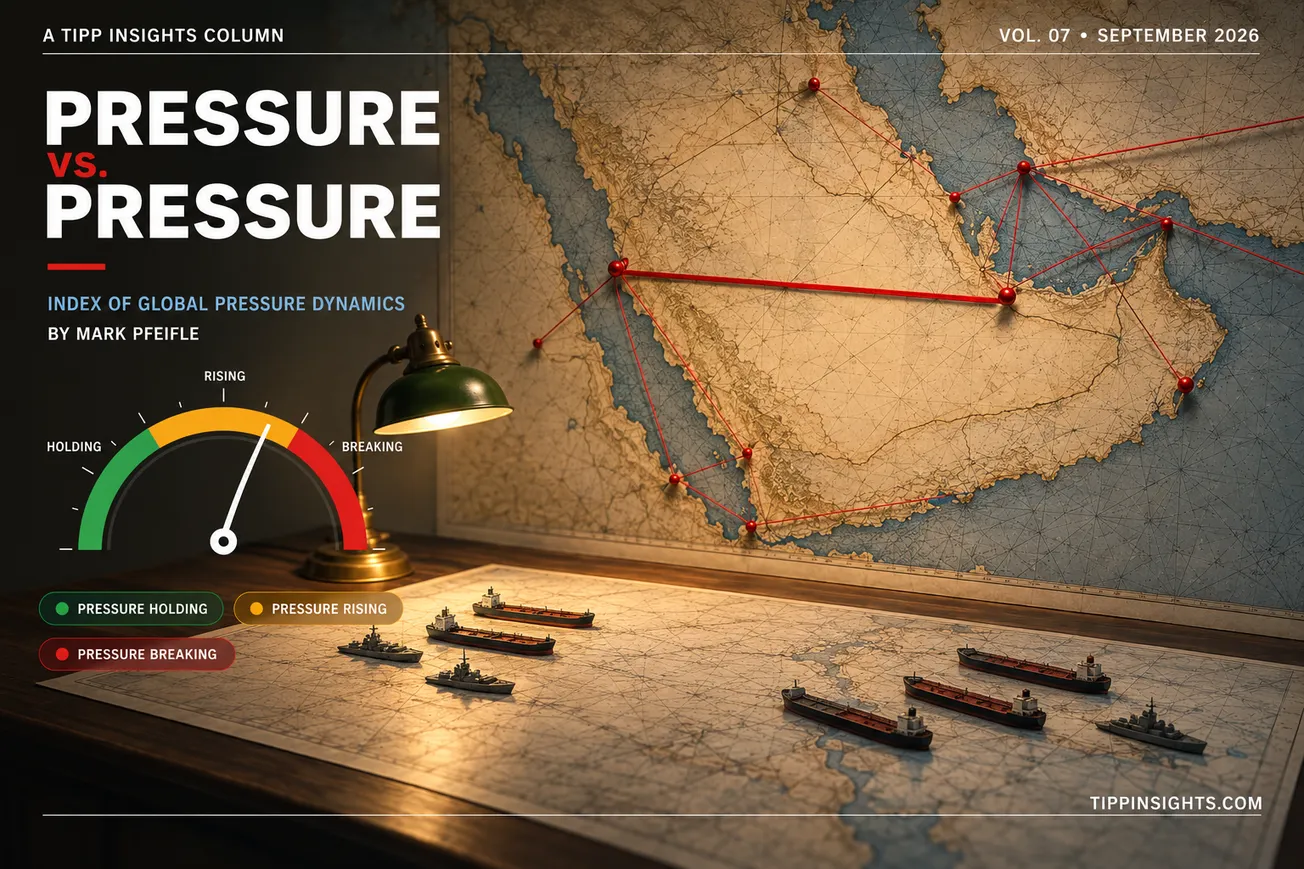
Saudi Arabia has been building its Pressure Cell for 45 years. A Pressure Cell maps where pressure is applied, absorbed and transferred, forecasts where it will move over the next 72 hours and gives leaders options before the weak point breaks.
Back in 1981, Saudi Arabia depended heavily on the Strait of Hormuz to get its oil to market, so the kingdom built the East-West Pipeline across 750 miles of desert to Yanbu on the Red Sea, giving Saudi crude another way out.
In the decades since, Riyadh has worked to reduce its dependence on oil and to prepare its people for the crises that come with a bigger, more open economy. Last summer, for example, I spent two weeks in Riyadh working with the Saudi Press Agency Academy, putting Saudi executives through tabletop drills on a food-poisoning outbreak, a financial cyberattack, electric-car fires, tourism and the Hajj.
Along the way, Saudi Arabia pushed into sports, entertainment and the arts. It created LIV Golf, struck a $200 million agreement with New York’s Metropolitan Opera and brought Kevin Hart, Bill Burr, Aziz Ansari and Pete Davidson to the Riyadh Comedy Festival. Riyadh was also set to host a Tom Brady-led flag football tournament. The war has since rolled back much of that. The Met deal collapsed, the Public Investment Fund will stop funding LIV Golf after this season, and the Brady event moved to Los Angeles.
The oil system has held up better. When traffic through Hormuz collapsed, Aramco moved crude west to Yanbu. Later, after drones launched from Iraq hit the East-West system, it sent crude back east. As a result, Saudi oil passing through Hormuz averaged 2.9 million barrels a day in the six days to September 18, up from about 700,000 barrels a day in August. Then on September 20, Aramco loaded 14 million barrels onto seven supertankers. In a matter of days, the kingdom had moved millions of barrels from one coast to the other.
Meanwhile, Riyadh worked the diplomatic side. It signed a mutual-defense pact with Pakistan and Turkey and asked Beijing to press Tehran to restrain the Houthis.
On top of that, Saudi Arabia signed a $142 billion U.S. defense package and a new defense agreement with Washington, and this summer the two governments signed a peaceful nuclear cooperation agreement.
In other words, Saudi Arabia built its options years before it needed them, while Iran spent those same years building pressure points. Most of the other players, by contrast, are improvising.
Saudi Arabia — Pressure Rising
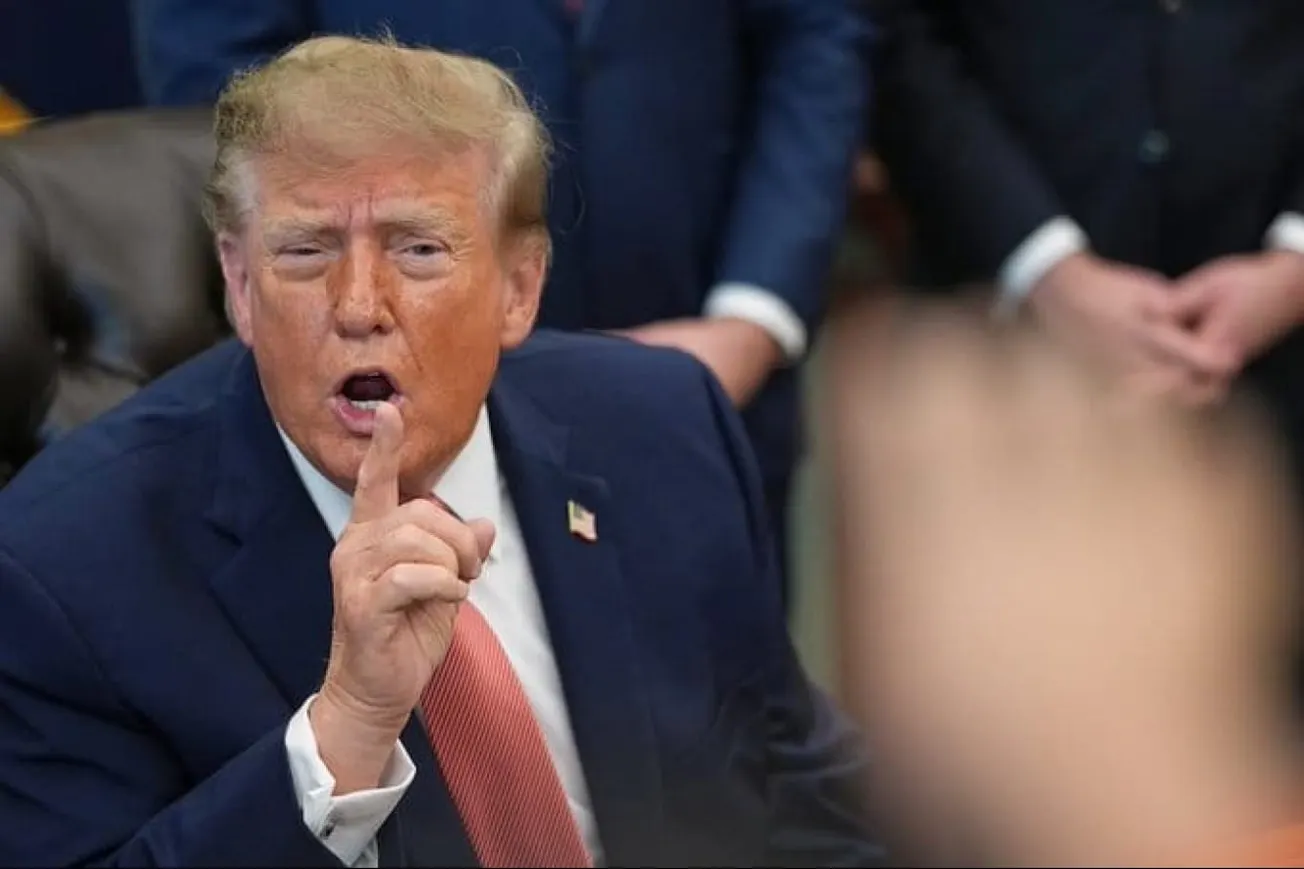
Saudi Arabia now faces pressure from two directions: Hormuz to the east and the Houthis to the southwest, around Yemen and Bab el-Mandeb. Washington has provided intelligence and targeting support. However, President Trump has so far declined Saudi requests for direct American strikes. As a result, Riyadh is left trying to defend everything on both coasts, while the Houthis only need to get through once.
The larger contest looks much the same. Washington can sanction the banks that move Iran’s money, squeeze its oil buyers, cut airline links and strike its nuclear program. Even so, Iran can still squeeze Hormuz and threaten Red Sea shipping through the Houthis. In short, the United States has far more power, but Iran sits next to the chokepoints that matter.
United States — Pressure Rising
According to The Wall Street Journal on Saturday, a senior Treasury official has quietly traveled to foreign capitals pressing governments to cut Iranian flights and banking ties. So far, the UAE has suspended flights by Iranian airlines, and Turkey has acted against Iranian banks. The idea is to go after the ships, banks and buyers that keep Iran’s oil money moving.
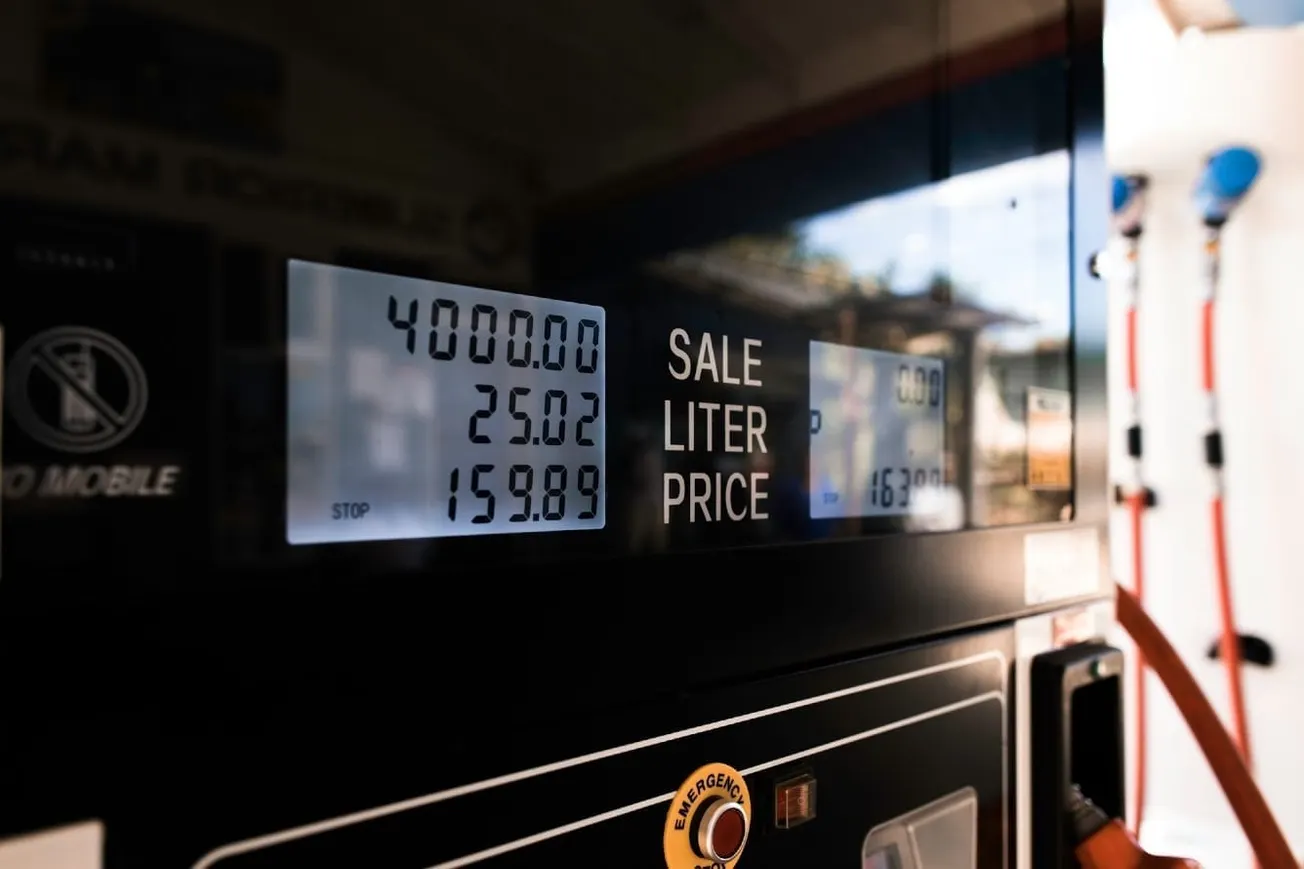
Iran, however, is playing a longer game. Back in August, I wrote that Iran did not need to defeat Trump on the water. Instead, Tehran only needed the war and gas prices to keep bleeding into November. Since the war began, regular gasoline in the U.S. has risen by $1.50 per gallon.
Washington is trying to get ahead of that calendar. Treasury launched Operation Economic Outcast, which Bessent calls an economic D-Day, and the U.S. and European allies pressed Iran to account for its enriched uranium and open its nuclear sites to inspectors. At the same time, Saudi Arabia pushed more oil into the market, and U.S. and Iranian officials spent three hours talking in New York.
Even so, the politics at home look rough. At a Washington steakhouse near the Capitol Wednesday evening, a former Republican National Committee chairman told me he puts the GOP's chance of retaining control of the House at 35 percent.
The polls are no kinder. A Reuters/Ipsos poll this month put Trump’s approval at 32 percent. Only 17 percent approved of his handling of the cost of living, 34 percent supported the strikes on Iran, and when voters were asked which party they would support for Congress, Democrats led Republicans by eight points. Iran’s leaders can read those polls too, and they know the midterms are five weeks away.
Iran — Pressure Rising
Still, Iran is under heavy strain of its own. For months, Iranian crude kept reaching China despite U.S. sanctions, until Washington reinstated the blockade in July. Since then, fresh Iranian crude has not reached China via the Strait of Hormuz. Iran can still sell oil already sitting on tankers in Asia, but that stockpile has been shrinking. On top of that, the IMF estimates Iranian inflation at 70 percent this year.
Against that backdrop, Major General Mohsen Rezaei went on Al Jazeera and publicly listed Iran’s conditions: end the war, release frozen funds and lift the naval blockade. Notably, reparations were not on his list, although Tehran later insisted it had dropped nothing.
The New York meeting also caused trouble at home. IRGC-affiliated Tasnim demanded to know who authorized Foreign Minister Abbas Araghchi’s meeting, and Rezaei then said he, President Masoud Pezeshkian and Araghchi had agreed to convey Iran’s conditions in New York.
Either way, if reparations really are off the table, that is the most important change in Iran’s position so far.
China — Pressure Building
The war is now showing up in China’s energy costs. Chinese producer prices rose 3.8 percent in August, and the prices Chinese manufacturers paid for fuel and power jumped 9.8 percent.
Although China gets discounted crude from Iran, it gets far more energy from Saudi Arabia and the Gulf, and those barrels also have to get through.
That puts Beijing in the middle. Trump pressed Xi on Iran, and U.S. Ambassador to Beijing David Perdue said Trump warned Xi not to help Iran, directly or indirectly. In response, Beijing told Washington it would not help Iran.
Tehran, however, told a different story. An Iranian official told Reuters that Chinese officials had assured Iran they would not curtail economic, political or military ties under American pressure.
Ultimately, the shipping data will show which version is true. If Chinese refiners resume buying Iranian crude and Chinese banks keep moving the money, Iran can still sell oil and get paid.
At the talks in New York, U.S. and Iranian officials discussed the terms for reopening the Strait of Hormuz. For now, traffic is a fraction of normal: only 17 commodity vessels crossed Hormuz over the September 19-20 weekend, compared with about 125 a day before the war. If ship counts and insurance rates start moving back toward normal, the talks are working.
Beijing may also matter on the Houthis. If Houthi attacks decline after Riyadh turned to Beijing, China may have done what Washington and Riyadh could not: get Iran to restrain the Houthis.
In the end, Saudi Arabia spent 45 years building a way around Hormuz, and drones launched from Iraq still found it. Likewise, Iran made China its economic lifeline, and now Washington is leaning on Beijing. Pressure keeps moving to whatever route is still open, and the ship counts over the next few weeks will show where it goes next.
Mark Pfeifle, a member of the TIPP Insights Editorial Board, served as deputy national security adviser for strategic communications and global outreach at the White House from 2007 to 2009. He runs the crisis management firm Off the Record Strategies.
Loved it, hated it, or somewhere in between — tell us. Grade this article here and help shape what lands in your inbox next.
🧭 Power & Capital · September 29, 2026
Where state power meets the boardroom.
🔷 Florida Seeks Injunction Against OpenAI Over Alleged Risks To Children – Power & Capital Desk, TIPP Insights
🌍 Global Affairs
The world's flashpoints, in motion.
🟥 Eight US Marines Injured In Reported Iranian Missile Strike In Strait Of Hormuz – TIPP News
🟥 US And Iran Set For Separate Talks With Mediators In New York – TIPP News
🟥 Trump’s Ukraine Peace Push: Why There’s No Need To Negotiate Crimea And Donbas – William Dunkerley, Ron Paul Institute for Peace and Prosperity
🟥 Migrant Caravan Grows To More Than 600 As It Moves Through Mexico – TIPP News
🏛️ National Affairs
The fights shaping America right now.
🟫 1992 Election Warns GOP It Must Sell Its Economic Record Before The Midterms – Victor Davis Hanson, The Daily Signal
🟫 Is The GOP Failing To Sell Trump’s Economic Gains? I&I/TIPP Poll – Terry Jones, TIPP Insights
🟫The Unsold Boom – Larry Kudlow, Fox Business
🟫 Supreme Court Hands Trump Major Victory In Drive To Combat Noncitizen Voting – Fred Lucas, The Daily Signal
🟫 FBI Co-Deputy Director Andrew Bailey Resigns, Effective October 2 – TIPP News
🟫 New York Times Executive Fatally Shot In Bay Area Park, Police Say – TIPP News
🟫 HHS Rejects Human Rights Campaign’s ‘Unfounded’ Claims About Harm From Ending Trans Procedures – Tyler O’Neil, The Daily Signal
🟫 FDA Confirmation Hearing Gives Update On Abortion Pill Study Under New Leadership – Virginia Grace McKinnon, The Daily Signal
🟫 University Takes Down LGBTQ Archive Webpage After Pushback From Texas Lawmaker – Emily Medeiros, The Daily Signal
🟫 Bill To Block Possible Foreign Child Predators From Obtaining US Visas Drops In The Senate – Pedro Rodriguez, The Daily Signal
🟫 Bishop Makes Special Request Of Catholics Before Election Day – Robert B. Bluey, The Daily Signal
🟫 This Senate Race May Decide The Majority. A New Poll Shows Movement. – Virginia Grace McKinnon, The Daily Signal
🟫 Ben Shapiro Comes Armed With Advice And Warnings For ‘Least Popular Midterms In History’ – Rebecca Downs, The Daily Signal
🟫 Kevin Roberts Makes The Case For Keeping Conservatives In Power – Malia Loock, The Daily Signal
🟫 In An Age Of Tribalism, Bill Maher Just Did Something Radical: He Admitted He Was Wrong – Carrie Sheffield, The Daily Signal
📈 Economy
Prices, policy, and the pressure on your wallet.
🟩 Why Could Airfares Stay High Even If Jet Fuel Prices Fall – TIPP News
🟩 Prosperity Will Return Only When Entrepreneurs Are Free To Act On Economic Uncertainty – Per Bylund, Mises Wire
🟩 Mainstream Economics: Money As Medium Of Exchange, Unit Of Account, And Store Of Value – Joshua Mawhorter, Mises Wire
🟩 Wildfires And Collectivism: Why They Are Related – Carlos Boix, Mises Wire
🟩 Why You Should Read Reed – David Gordon, Mises Wire
💼 Markets & Business
The deals and tickers making moves.
🟧 Meta Hires MongoDB CEO CJ Desai As Chief Enterprise Platform Officer – TIPP News
📊 Market Mood · September 29, 2026
How the trading day is setting up.
🟧 The bond selloff remains the biggest pressure on markets. The 10-year Treasury yield is hovering near 5.27%, a 19-year high, as investors adjust to the prospect of interest rates remaining elevated for longer.
🟥 Oil is adding to the inflation problem. Brent is around $106 a barrel as U.S.-Iran tensions remain unresolved, reinforcing concerns that elevated energy costs could keep inflation stubborn.
🟨 Stocks are cautious but holding up surprisingly well. U.S. futures are roughly flat despite high oil and yields, with solid consumer spending and continued AI investment providing support to the economy and technology shares.
🟦 The Fed outlook remains firmly in focus. Markets see about a 72% chance of another rate hike in October, making today’s JOLTS and Consumer Confidence reports important ahead of the heavier labor and inflation data later this week.
🗓️ Key Economic Events
On today's U.S. data calendar.
🟧 10:00 a.m. ET — JOLTS Job Openings (August)
Forecast: 7.23M | Previous: 7.27M
Job openings are expected to edge lower, providing an important read on labor demand ahead of Friday’s employment report. Investing.com
🟧 10:00 a.m. ET — Conference Board Consumer Confidence (September)
Forecast: 90.1 | Previous: 89.4
Confidence is expected to improve slightly, offering a fresh look at the resilience of consumers despite high borrowing costs and energy prices.
Letters to the editor email: editor-tippinsights@technometrica.com
Subscribe Today And Make A Difference. Consider supporting Independent Journalism by upgrading to a paid subscription or making a donation. Your support helps tippinsights thrive as a reader-supported publication. Contact us to discuss your research or polling needs.
Reach our audience. For sponsorship and advertising opportunities, visit our Partner With Us page.