By Barry Eichengreen, Project Syndicate | Jun 15, 2026
The French G7 presidency’s focus on global imbalances is both welcome and problematic. While long-standing trade imbalances between the United States, Europe, and China are, if anything, becoming even more troublesome, the leaders’ summit in Évian-les-Bains will do nothing to address the problem.
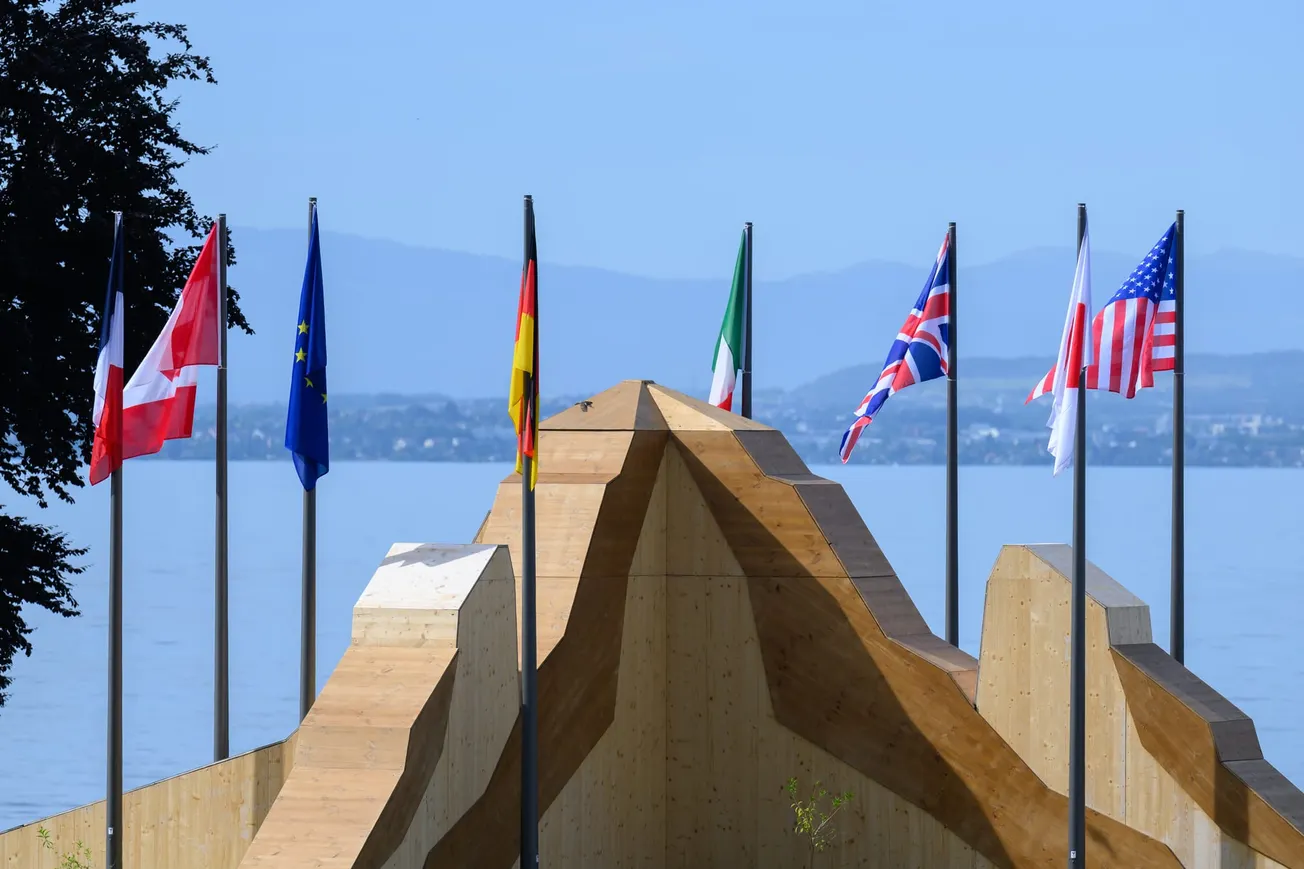
FALMOUTH, UK—The French government of President Emmanuel Macron has made the most of its six-month presidency of the G7, the hoary club of large high-income economies. France’s term will conclude this week with a leaders’ summit in the spa town of Évian-les-Bains. The question is whether anything more than a spectacle of bonhomie can be achieved.
France has sought to reassert the relevance of the group, whose members inherited their status for antiquated historical reasons, by inviting four participants from otherwise unrepresented regions: Brazil for Latin America, Kenya for Africa, India for South Asia, and South Korea for emerging East Asia. The goal is to invigorate the debate in G7 ministers’ meetings by focusing on key economic flash points such as global imbalances and rare earths, and on geopolitical conflicts, notably those around Ukraine and Iran.
The Macron government’s focus on global imbalances is both welcome and problematic. It is welcome because long-standing trade imbalances between the United States, Europe, and China are, if anything, becoming even more troublesome. China is again flooding global markets with its manufacturing exports, and the US is using tariffs to deflect those exports to other parts of the world.
But the focus on imbalances is problematic because, while the solutions—more saving in the US, more consumption in China, and more investment in Europe—are well known, they are also well known to be out of political reach. Leaders at Évian will no doubt reiterate their standard points about the economic risks and political strains caused by global imbalances while making exactly zero progress in redressing them.
Instead, the US will point fingers at Japan and South Korea for the weakness of their exchange rates, while other countries will criticize the US and its chronic budget deficits for putting upward pressure on global interest rates.
While the leaders’ communiqué may refer to the desirability of free and fair trade—the “fair” part to appeal to President Donald Trump’s tariff-loving US administration, the “free” part to resonate with the rest of the world—their views remain fundamentally incompatible. Given Trump’s recent threat to raise tariffs on European cars and trucks from 15% to 25%, even a temporary truce in the trade war similarly seems politically untenable.
On the other hand, there is scope for agreement in principle on developing supplies of critical minerals. G7 countries all face the same danger, namely excessive dependence on China. Geopolitically aligned G7 members can invest in extracting and refining the rare earths where they have the greatest actual or potential reserves and capacity, and trade them with one another. But with other G7 countries increasingly distrustful of the group’s largest member, the US, and having reason to fear that it will embargo its own supplies in a crisis, the prospects for meaningful cooperation are dim.
Likewise, there will be agreement in Évian on the importance of keeping the Strait of Hormuz open, given its centrality to global energy markets, but not on who should keep it open and how. European countries resent, with good reason, how the US, in concert with Israel, dragged the EU into an even more serious energy crisis than it was already facing courtesy of Russia. They will recall how the US, by failing to consult, turned its back on international cooperation.
The longer-term solution to the world’s energy crisis is, of course, reducing dependence on fossil fuels. Here, too, the US under Trump is the exact opposite of a willing partner.
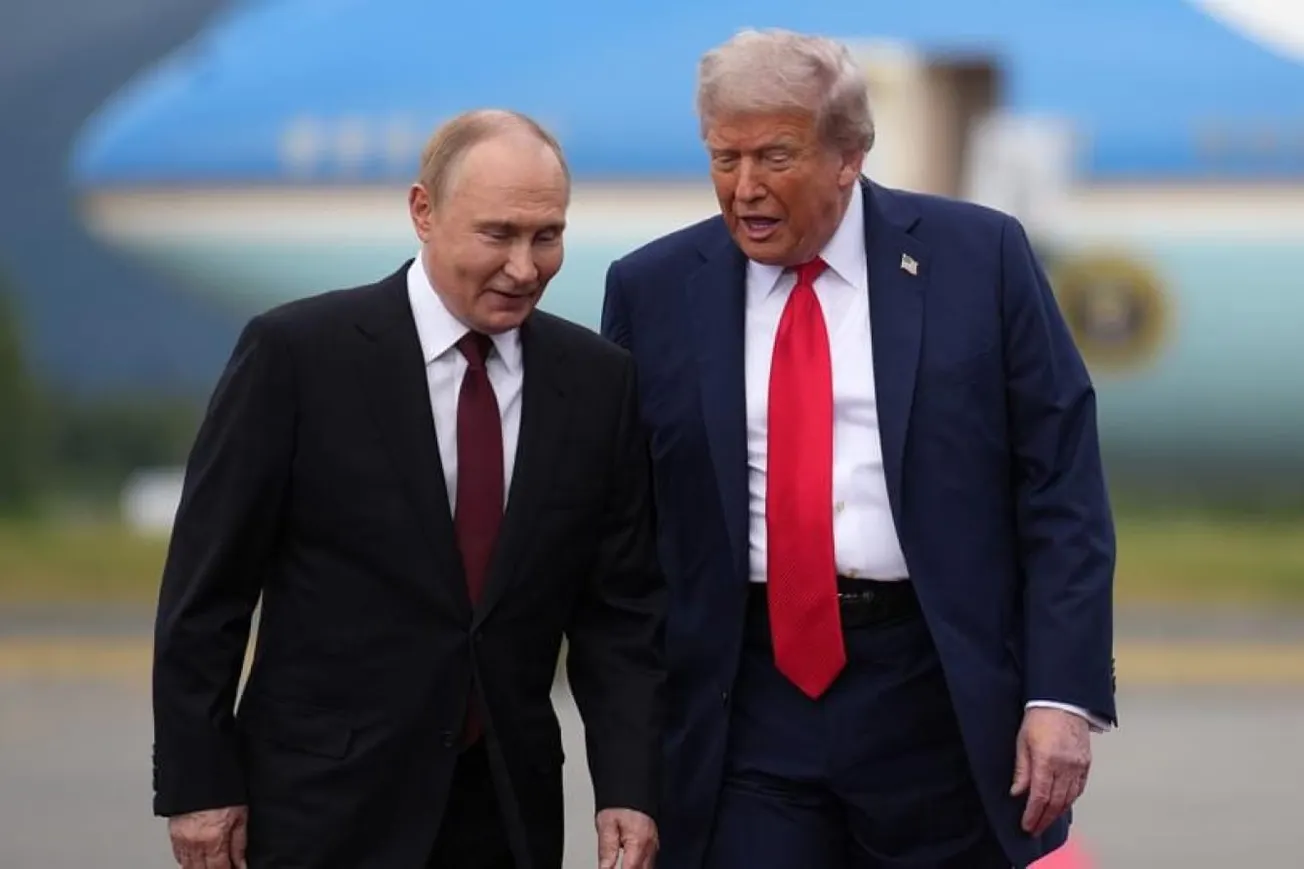
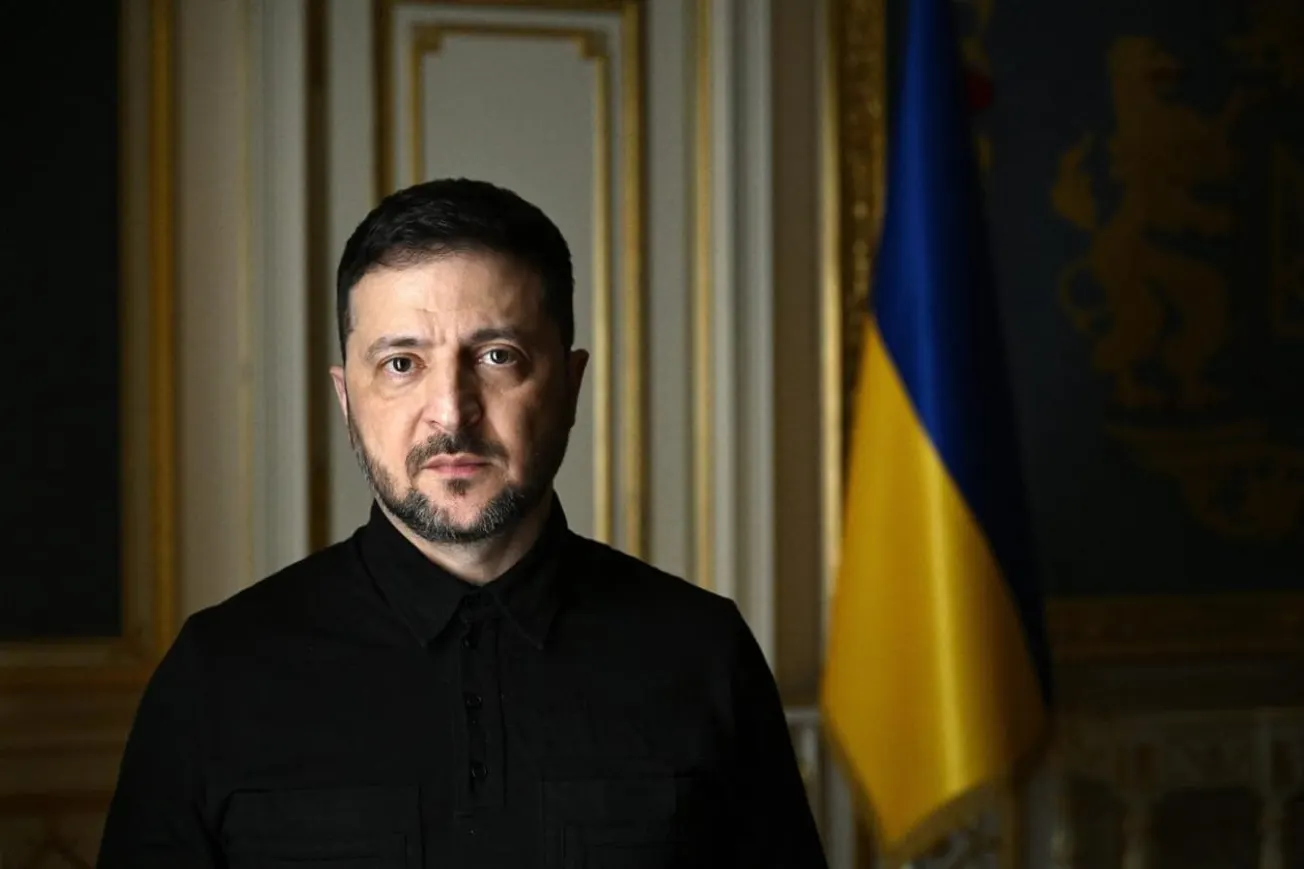
The one step the US has taken to address the global energy shock is to relax its sanctions on Russian oil exports. Doing so props up the Russian economy and disadvantages Ukraine on the battlefield. It encourages bellicosity on the part of President Vladimir Putin, who has intensified his threats against the Baltic states. This, in turn, stokes the worst fears of European countries, which are right to place the blame at the doorstep of the White House.
Hanging over the Évian meeting is the question of whether Trump will show up. Other “important” matters caused him to skip his son Donald Jr.’s wedding in the Bahamas late last month. Given the vast gulf between the US and its G7 partners, one wonders whether it might actually be better if Trump passed on this invitation, too.
Évian is famous for its healing waters, and the global economy certainly needs healing. But the town is also notorious for hosting the failed conference in 1938 to address the plight of Jewish refugees fleeing Nazi Germany. There, too, delegates offered lofty rhetoric but took little action. Unfortunately, the chances that the restorative effects of Evian’s alpine waters will lead to productive international discussions are somewhere between slim and none.
Barry Eichengreen, Professor of Economics and Political Science at the University of California, Berkeley, is a former senior policy adviser at the International Monetary Fund. He is the author of many books, including Money Beyond Borders: Global Currencies From Croesus to Crypto (Princeton University Press, 2026).
🌍 Global Affairs
The world's flashpoints, in motion.
🟦 The Breakthrough – Editorial Board, TIPP Insights
🟦 The Pig Doesn't Lie – Editorial Board, TIPP Insights
🟦 Xi’s Lost Decade – Editorial Board, TIPP Insights
🟦 US, Iran Reach Deal To End War, Signing Set For Friday – Reuters, The Daily Signal
🟦 What Does The New U.S.-Iran Peace Deal Include – TIPP News
🟦 JD Vance: Key Iran Deal Details Still Need Work – TIPP News
🟦 Trump Violates Humanitarian Law: The Bombing Of A Water Facility In Iran – Kurt Nimmo, Ron Paul Institute for Peace and Prosperity
🟦 Iran Will Fall Within The Year: Amit Segal And Josh Hammer – Pedro Rodriguez, The Daily Signal
🟦 Deadly Russian Barrage Hits Kyiv, Burns Ancient Monastery – TIPP News
🟦 G7 Leaders Meet Amid Tensions Over Iran And Ukraine – TIPP News
🟦 Why Is Israel Refusing To Leave Territory Seized In Lebanon – TIPP News
🟦 Stolen Once, Stolen Twice: The Libertarian Case Against Zimbabwe’s Land Grabs – Constantine Taurai, Mises Wire
🏛️ National Affairs
The fights shaping America right now.
🟥 High Court Ends Carter Page Wiretapping Lawsuit Against Comey – TIPP News
🟥 MAGA Losing Patience With Visa Program That Incentivizes Hiring Of Foreign Students – Elizabeth Troutman Mitchell, The Daily Signal
🟥 Trump Team Cuts $4 Million In Pro-Illegal Immigrant, DEI, And Green Energy Services – Pedro Rodriguez, The Daily Signal
🟥 State Department Drops Sanctions Against Avowed Opponent Of George Soros – Tyler O’Neil, The Daily Signal
🟥 What Is Trump’s Planned July 4 Rally On The National Mall – TIPP News
🟥 Trump Celebrates Birthday With UFC Freedom 250 Event – Trevor Hunnicutt & Jacob Bogage, The Daily Signal
🟥 UFC Fight Night Ends, White House Cleanup Moves Into High Gear – TIPP News
🟥 The Declaration Of Independence versus Egalitarianism – Joshua Mawhorter, Mises Wire
📈 Economy
Prices, policy, and the pressure on your wallet.
🟩 Crude Prices Drop Sharply Following Reports On New Iran War Deal – TIPP News
🟩 April Money Supply Growth Hit A 49-Month High. And Prices Soared. – Ryan McMaken, Mises Wire
🟩 Brazil’s Monetary Hangover: Why Lula’s Fiscal Push Keeps Interest Rates High – Antonio Vladika, Mises Wire
🟩 The Fear Of The Signal: Why The State Urgently Wants To Bind Prediction Markets – Angelo Monaco, Mises Wire
🟩 Magnifica Humanitas, AI, And The State – Ulrich Fromy, Mises Wire
🟩 Rothbard On The Calculus Of Consent – David Gordon, Mises Wire
💼 Markets & Business
The deals and tickers making moves.
🟧 Stocks Surge As Iran War Deal Lifts Global Markets – TIPP News
🟧 What Does Fox’s $22 Billion Roku Deal Mean For Streaming – TIPP News
🟧 Why Did The Trump Administration Restrict Anthropic’s AI Models – TIPP News
🟧 DoorDash To Stop Blacklisting Conservative Nonprofits In Employee Giving Program – Tyler O’Neil, The Daily Signal
Letters to the editor email: editor-tippinsights@technometrica.com
Subscribe Today And Make A Difference. Consider supporting Independent Journalism by upgrading to a paid subscription or making a donation. Your support helps tippinsights thrive as a reader-supported publication. Contact us to discuss your research or polling needs.
Reach our audience. For sponsorship and advertising opportunities, visit our Partner With Us page.