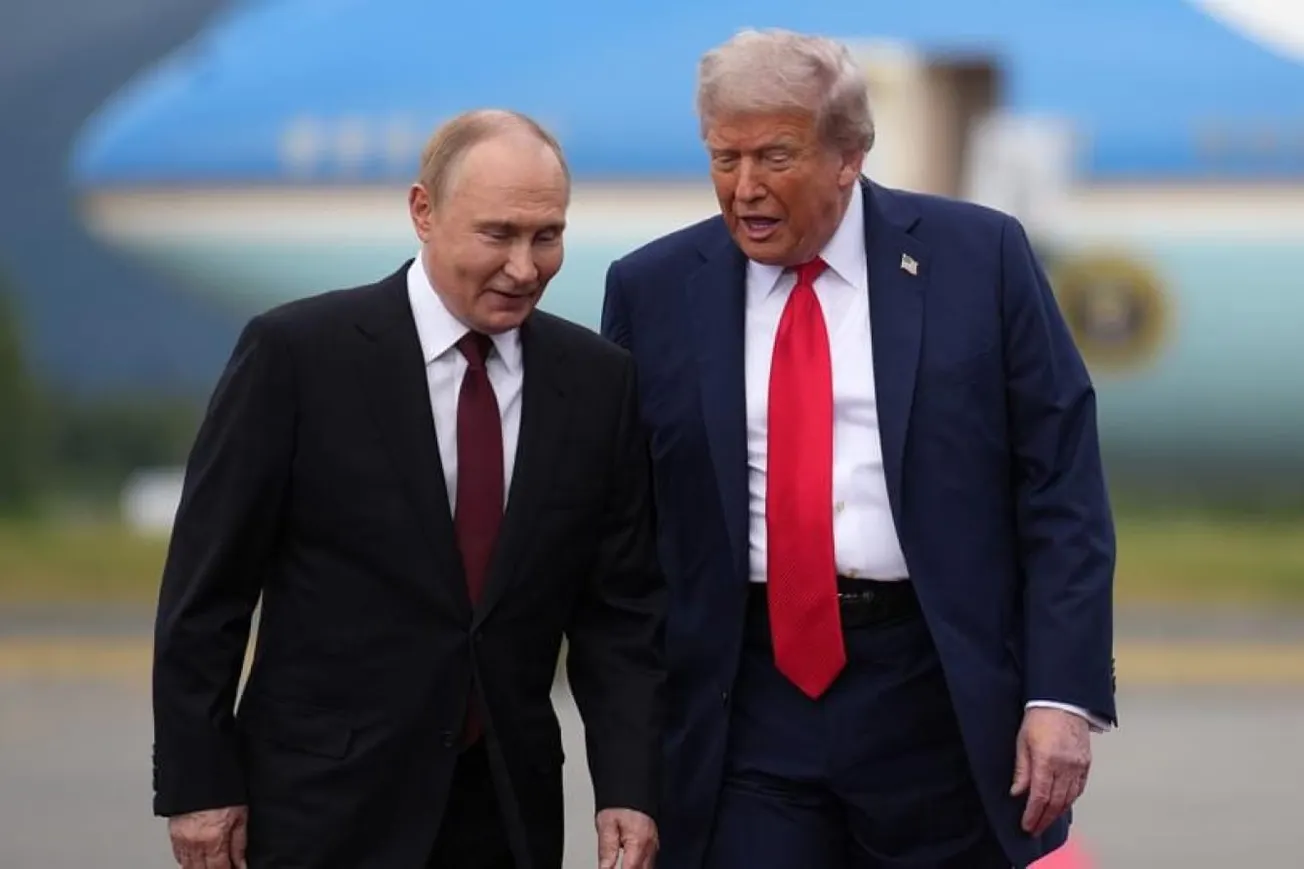

On Sunday, the United States and Iran announced an agreement to end the war. President Trump declared the deal complete, and Iran’s Supreme National Security Council confirmed an immediate and permanent ceasefire. The memorandum is scheduled to be signed on June 19 in Geneva. The war began in February and has lasted more than three months.
The agreement provides for the reopening of the Strait of Hormuz and the lifting of the United States naval blockade. A large share of the world’s oil passes through the strait, and prices fell after the announcement. Brent dropped about 4.7 percent and West Texas Intermediate about 5 percent on Monday, to their lowest levels since early March. Governments across Europe, the Gulf, and Asia welcomed the agreement, including Britain, Germany, Saudi Arabia, China, India, and Japan, as well as Qatar and Pakistan, which helped mediate it.
The United States was willing to use force, and did. The President applied pressure with the naval blockade. For Iran, a deal was more attractive than the price of extended resistance. Pressure was the President’s strategy, and it worked. He deserves credit for it.
Americans owe their thanks to the troops who carried the risks of this war. Their families made real sacrifices, and but for the brave men and women of the American military, this agreement would not have been possible.
This agreement is a framework, and the hard questions are left for later. The text has not been released, and the accounts of its terms now circulating are unverified. The questions that matter concern Iran’s nuclear program, its missile program, the funding of its proxies, and what the United States gives in return. Reagan’s standard for dealing with adversaries was to trust, but verify. The arms treaties he signed held because they required on-site inspection and proof of compliance, not promises. This framework leaves verification to a later round of talks. Whether it delivers that verification is the test it must meet. We will judge it when the text is public.
For now, the war is ending, and that matters. The agreement still faces tests in the coming days, including in Lebanon, where the fighting could resume, and it must be signed and implemented. But the blockade is set to be lifted and the strait to reopen, and that is a breakthrough.
📉 THE CHINA FILES · June 15, 2026
Xi's China is contracting at home and overreaching abroad. The TIPP editorial board tracks the decline, one front at a time.
CHINA IN DECLINE
🔹 The Pig Doesn't Lie: The pig the Party once promised would stay cheap now costs more to raise than it sells for.
🔹 Xi’s Lost Decade: A real estate bust the size of Japan’s, not yet halfway through. Xi holds the one tool that could break the spiral, and won’t use it.
THE PENETRATION OF AMERICA
🔹 The American Kill Line: The viral Chinese meme that explains everything wrong with Beijing's reading of America.
🔹 Inside the Wire: Americans want China out of the land, the supply chain, and the phone. The agreement is broad, and it is defensive.
BANKROLLING THE AXIS
🔹 The Quartermaster: The drone that downed an American helicopter is Iranian. Its supply chain is not.
🔹 The Denuclearization Surrender: China's demand that North Korea disarm was also its leverage. Xi gave up both, just as Kim turns to confront Washington.
TAIWAN AND A HOLLOW ARMY
🔹 The Boxed-In Giant: On the map that decides a war over Taiwan, China is the trapped one, and Xi tightened the trap himself.
🔹 Xi's Question: Taiwan?
🔹 Ambiguity Top and Bottom: Xi asked whether America would defend Taiwan. The President preserves the ambiguity by design; the public, by indecision.
🔹 The Death Sentence: Xi is purging the men he handpicked. The army he is left with cannot fight the war he keeps threatening.
🔹 One Child, One Soldier: The demographic curse haunting Xi.
THE JAPAN MISFIRE
🔹 The Home Front: Xi staged a year of pressure on Japan for an audience at home, and lost the one abroad.
🔹 The Backfire: A year of Chinese pressure left Japan's new prime minister stronger than it found her.
THE SUMMIT THEATER
🔹 Mr. President, Don't Go to China: Beijing is funding a regime that is killing American troops. A state visit now rewards the patron.
🔹 The Handshake in Beijing: The summit is just a photograph, unless Trump forces Xi to move on Iran.
🔹 The 25th Visit: The price column is still blank.
🔹 To Be Continued: Trump asked Xi for the only thing that mattered. Xi said no.
🔹 Xi's Reelection Theater: Every concession since Busan was for one photograph. The photograph was for his fourth term.
👉 The full China dossier, with new dispatches as the story breaks. Subscribe to TIPP Insights →
📊 Market Mood · June 15, 2026
How the trading day is setting up.
🟩 Markets rallied after the U.S. and Iran announced an interim peace agreement, raising hopes that a more than three-month conflict may finally be winding down.
🟧 Oil prices tumbled as President Donald Trump said the Strait of Hormuz will reopen later this week, easing fears of prolonged supply disruptions and an energy-driven inflation shock.
🟦 Investors remain cautious, however, as it may take months for global energy flows to normalize, meaning geopolitical risks and elevated oil prices could persist even after a deal.
🟨 Attention now shifts to this week’s Federal Reserve meeting, where policymakers must weigh easing energy pressures against still-elevated inflation and decide whether to maintain a hawkish stance.
🗓️ Key Economic Events
On today's U.S. data calendar.
No events scheduled.
Letters to the editor email: editor-tippinsights@technometrica.com
Subscribe Today And Make A Difference. Consider supporting Independent Journalism by upgrading to a paid subscription or making a donation. Your support helps tippinsights thrive as a reader-supported publication. Contact us to discuss your research or polling needs.
Reach our audience. For sponsorship and advertising opportunities, visit our Partner With Us page.